

The entrance doors create an impression before anyone steps inside, and a personalized door hanger effectively communicates your aesthetic with minimal investment and tools. By focusing on thoughtful dimensions, sturdy materials, and harmonious color schemes, a simple craft can transform into stylish decor that withstands various weather conditions. In professional and hospitality settings, even minor details impact perceptions and navigation; research from Gensler indicates that environments designed with brand intent enhance user experience and influence behavior, revealing measurable improvements when design is purposefully applied (Gensler Research Institute). Additionally, the WELL v2 guidelines highlight the importance of natural light and visual connections at entry points; while a door hanger does not serve as a lighting solution, it aids in establishing a clear and organized threshold, thereby reducing visual clutter and supporting smoother transitions (WELL v2).
At the entrance, color and contrast play a significant role. According to Verywell Mind's findings on color psychology, certain colors have established meanings: blues and greens evoke calmness and trustworthiness, yellows convey cheerfulness and energy, while reds capture attention—ideal for seasonal or festive themes (VerywellMind, Color Psychology). When it comes to durability, the choice of materials and the quality of finishes are crucial. The IES suggests managing glare and reflectiveness in entry areas; applying satin or matte finishes to glossy surfaces can mitigate harsh reflections that may distract during nighttime under porch lighting (IES standards). If you're creating a composition with multiple decorative elements (like letters, leaves, or ribbons), it’s wise to sketch an overall layout before attaching anything—utilizing an interior design tool such as a room design visualization application can help you conceptualize spatial distributions, even for smaller setups; consider using a straightforward layout simulato r for testing scale and arrangement.
Materials and Tools
Select materials suitable for weather conditions to ensure your door hanger remains pristine despite temperature variations and occasional rain.
Step 1: Determine Scale, Message, and Color
Measure the door panel dimensions: most standard residential doors measure 80 x 36 inches. A visually appealing hanger should occupy 25–40% of the door's width; 10–14 inches works for narrow doors, while 16–18 inches is appropriate for standard widths. Choose a primary focal message (like "Welcome" or your house number") and a secondary embellishment (such as a bow or greenery) to maintain a clean look. For the color palette, select one base color, one accent, and one neutral. Serene entries benefit from muted greens and blues; for festive decor, incorporate a single vibrant accent restricted to 10–15% of the overall design to keep balance.
Step 2: Prepare and Seal the Base
Gently sand the base surface, remove dust, and apply primer to all sides and edges. Sealing the backside helps to slow moisture penetration, minimizing the risk of warping. Apply two thin coats of exterior-grade paint or stain, lightly sanding between applications. Finish with a UV-resistant clear coat in satin or matte to minimize glare from porch lights and street lamps, enhancing comfort during evening arrivals.
Step 3: Design Layout Composition
Dry-fit letters and greenery onto the painted base. Utilize the rule of thirds: position the primary element slightly above the center to create a natural visual flow. Maintain at least a finger's width from the edges to avoid a cramped appearance. Take photographs of two or three layout options and select the one that remains legible from approximately six feet away—this simulates curbside visibility. Should you wish for a quick online model, utilize a simple room layout tool to experiment with spacing and order.
Step 4: Affix Lettering Neatly
For vinyl applications: position painter's tape as a hinge, peel away the backing, and use a squeegee to smooth from the center outward. For wooden or acrylic letters: apply a thin, even line of weather-resistant adhesive and use brads to secure if the door is exposed outdoors. Check for level alignment—slight tilts can be quite noticeable at eye level.
Step 5: Incorporate Greenery and Texture
Group greenery to one side for a clear focal point. Either reflect the curvature of a round base or counterbalance it for visual tension, while avoiding blockage of peepholes or door handles. Keep any projections under 3 inches to prevent touching against storm doors. Mix matte foliage with a glossy accent to add depth without creating excessive glare.
Step 6: Add Hanging Hardware
Create a small pre-drilled hole for a sawtooth hanger or thread a leather strap through two upper holes for a softer visual effect. Balance is crucial: center the fixture above the weighted middle of the hanger rather than its geometric center if it is imbalanced with heavier greenery. For glass doors, consider using a wreath suction hook rated for outdoor applications and cleanse the glass with isopropyl alcohol before setting it up.
Step 7: Add Weatherproofing Details
Seal any raw edges, tie knots in ribbon ends to prevent fraying, and attach felt bumpers to the backside to lessen noise and shield the door's finish. In areas prone to wind, a discreet clear fishing line tether at the bottom can keep it from swaying and making noise, improving acoustic comfort at the entrance.
Practical Design Tips
Safety and Ergonomics Considerations
Hang the door hanger at a height of 57–60 inches for an optimal viewing experience and to ensure it does not obstruct peephole viewing. Minimize projections to prevent tangling with clothing or mail slots. In shared entries, consider adding apartment identifiers or numbers for clearer navigation.
Quick Variation Ideas
Maintenance Tips
Dust monthly with a soft, dry cloth; avoid using pressure washers for cleaning. Reapply a clear coat every 9–12 months for pieces exposed to the elements. Store seasonal items flat, face up, with tissue paper between decorative elements.
FAQ Section
Hanging a decoration between 16–18 inches in diameter sustains proportions that appear substantial without overcrowding the door.
Utilize exterior-grade acrylic latex over primer, and seal using a UV-resistant satin or matte clear coat to limit glare at the entryway and enhance durability.
Attach felt bumpers to the back and a clear fishing line tether at the bottom edge, secured to a small removable hook.
MDF can swell when wet. For doors fully exposed to the elements, opt for exterior plywood, cedar, PVC, acrylic, or powder-coated metal.
Muted greens and blues paired with warm neutrals (like oak, beige, or soft white) create an inviting atmosphere. Keep vibrant accents to around 10–15% of the overall design for balance.
Position the focal point about 57–60 inches from the ground for comfortable line of sight and to avoid interference with peepholes or hardware.
Utilize a light pencil grid or a pre-printed transfer system. Maintain consistent heights and spacing across letters, and shield with a clear coat for edge protection.
Most faux greenery may fade over time. Opt for UV-treated stems and rotate your hanger periodically; reapply a UV clear coat to the base as required.
Apply an over-the-door hook or a high-quality suction hook specifically designed for glass; refrain from using permanent screws in the door.
Maintain a 2–3 inch gap around locks and video doorbells to prevent obstruction of sensors or visual fields.
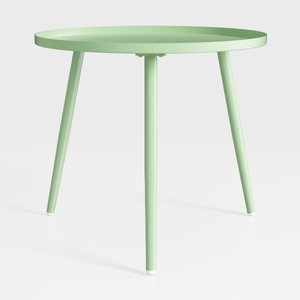
Minimalist Mint Green Metal Round Side Table 3D Model

Minimalist Mint Green Metal Folding Round Side Table 3D Model
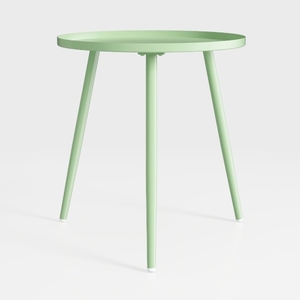
Minimalist Mint Green Metal Round Side Table 3D Model
Discover Homestyler, the ultimate online home design platform! With its user-friendly design tool, stunning 3D rendering, and a wealth of DIY video tutorials, you can effortlessly create your dream living space. Dive into endless design projects and let your creativity flourish—start transforming your home today!
Design Now for FREE
































