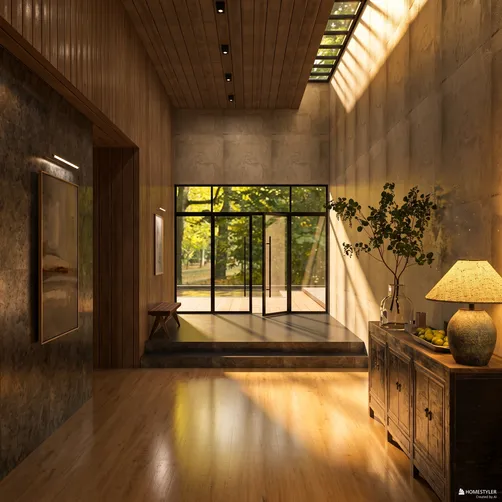



Having crafted numerous console tables, I consistently find that the ideal design features a sleek profile, sturdy construction, and dimensions accommodating both traffic flow and storage needs. A typical height for console tables ranges from 30 to 34 inches, aligning well with ergonomic principles which suggest that comfortable standing work surfaces hover around 36 inches. By keeping console tables slightly shorter, they maintain their function as furniture, rather than turning into task-related obstacles, all while remaining user-friendly. The depth is equally important; studies from Gensler emphasize the necessity for unobstructed paths, recommending at least 36 inches of clearance in hallways to ensure the console functions as a companion piece, not an obstruction. Therefore, for consoles positioned in corridors, a depth of 10 to 14 inches is ideal to facilitate effortless movement.
Selecting the right lighting and color scheme is essential for unifying your DIY console project. WELL v2 standards advocate for a blend of ambient light with targeted task lighting as necessary. Aim for an ambient level of 300 to 500 lux in living spaces to mitigate glare on shiny finishes. Insights from color psychology highlight that softer neutral shades help minimize visual clutter, whereas cooler tones impart a cleaner, more modern feel—consider this guidance when choosing the finishes and wall colors that will complement your console. When done correctly, your console will serve as a visual anchor, drawing the eye instead of distracting from the surrounding decor.
Here’s a simple blueprint I often use for constructing modern console tables: two side frames, a top surface, and optionally, a lower stretcher or shelf for added support. To help visualize proportions relative to your actual hallway or living space, utilizing a room layout tool like Homestyler can prevent miscalculations before you start cutting materials.
Dimensions and Proportions That Work
Recommended dimensions for console tables are 30 to 34 inches high, 48 to 60 inches long, and 10 to 14 inches deep. As a general visual guideline, I follow a 1:4 ratio for top thickness to length; for instance, a 60-inch tabletop looks aesthetically pleasing at a finished thickness of about 1.25 to 1.5 inches. A leg cross-section of 1.5 inches square exudes a refined appearance without appearing too delicate. If you anticipate placing decorative items on top, ensure a clear width of 18 to 24 inches for easy access without cluttering the space.
Materials and Sustainability
Opt for robust materials like white oak, ash, or maple for their durability and pleasing grain; select poplar for projects requiring paint; and choose laminated pine or birch plywood for budget-friendly builds. When specifying plywood, seek out formaldehyde-compliant cores and consider using water-based finishes to reduce volatile organic compounds (VOCs). For hardware, employing pocket screws or dowels can help avoid visible fasteners while minimizing metal content. Finish with a water-based polyurethane or hardwax oil to ensure a tactile, matte finish that stands up to daily usage.
Cut List (60 x 12 x 32 inch Example)
Top: 1 piece at 60 x 12 x 1.25 inches. Legs: 4 pieces at 1.5 x 1.5 x 31 inches. Aprons: 2 long aprons at 54 x 3 x 0.75 inches; 2 short aprons at 9 x 3 x 0.75 inches. Optional lower stretcher: 1 piece at 54 x 2 x 0.75 inches. Shelf (optional): 1 piece at 54 x 10 x 0.75 inches. Adjust the aprons to allow for a 1-inch inset from the faces of the legs—this creates attractive shadow lines and enhances visual rhythm.
Joinery Options
Pocket screws are quick and user-friendly; incorporate glue along with 1.25-inch pocket screws for connecting aprons to legs. Dowels offer a more polished aesthetic; two 3/8-inch dowels per joint ensure a tight alignment. Mortise-and-tenon joinery is ideal for high-quality heirloom pieces; aim for a tenon depth of 1 inch and a thickness ratio of 1/3. If incorporating a lower stretcher, attach it to the legs approximately 6 to 7 inches above the floor to bolster stability without adding visual clutter.
Step-by-Step Build
1) Mill and sand: Smooth the top to 120 grit, rounding the edges slightly with a 1/8-inch roundover. Sand the legs and aprons to 150 grit prior to assembly for cleaner glue lines.
2) Dry fit: Start by assembling the leg-apron rectangles. Verify that they are square by measuring diagonally, aiming for less than a 1/16-inch difference from corner to corner.
3) Glue and clamp: Apply PVA glue to the joints, clamp to a suitable pressure, and wipe away any excess immediately.
4) Unite: Connect the two side frames using the long aprons; ensuring square alignment with measured diagonals. If desired, install the lower stretcher at this stage.
5) Secure the top: Use figure-eight fasteners or elongated screw slots to accommodate wood movement. Maintain a 1/2-inch reveal on the long edges for a clean detail.
6) Apply the finish: Raise the grain using a damp cloth, sand to 180-220 grit, and apply a water-based finish. Two to three layers will provide robust protection. If applying stain, test on scrap pieces first—oak stains uniformly, whereas maple may require a conditioner to prevent blotching.
Ergonomics, Clearance, and Everyday Use
Position console tables in areas where they can enhance functionality: such as entries, behind sofas, or as slender media surfaces. Maintain a clearance of 36 inches around the table to facilitate comfortable movement—this measurement is often echoed in workplace design standards. Ensure that upper surfaces remain at or below 34 inches for easy access, particularly in shared family environments.
Acoustic and Visual Calm
Hard surfaces near entry points can amplify noise; placing felt pads under the table legs and using a soft runner can significantly reduce impact sounds. Visually, maintain order by using a shallow tray and featuring one primary object, such as a lamp or sculptural vase, to avoid clutter. According to WELL standards regarding glare, select lamps equipped with diffusers and a color temperature between 2700 and 3000K for a warm, inviting light that does not reflect harshly off surfaces.
Styling and Finish Options
Modern: opt for rift-sawn white oak with a matte hardwax finish, featuring straight apron lines. Transitional: consider a painted base paired with a stained top; contrasting tones anchor diverse decor styles. Minimal: utilize a thinner top (1 inch), hidden dowel joinery, and chamfered legs for an airy appearance. Rustic: reclaimed wood with breadboard ends is visually striking; embrace minor imperfections as charm and stabilize with epoxy as necessary.
Layout Planning Before You Cut
If space is limited or if the table is to be positioned behind a sofa, utilize an interior layout planner tool like Homestyler to quickly visualize dimensions and circulation paths before cutting materials. Crafting a quick mockup with painter’s tape on the floor can also highlight potential pinch points, helping you decide whether a depth of 10 inches or 12 inches would suit the area best.
Finishing Touches and Protection
Install discreet bumpers on the wall where the table meets baseboards. For surfaces that will see high usage, such as for keys and bags, applying an additional topcoat can enhance resistance to wear. If direct sunlight hits the table regularly, choose UV-stable finishes to delay ambering, particularly on lighter woods.
The ergonomic height and spacing references align well with patterns detected in Herman Miller’s studies regarding comfortable work postures and movements, while WELL v2 recommendations assist in calibrating ambient lighting and glare management to maintain a serene console area. For deeper insights into planning, consider workplace research methodologies that can be effectively applied to enhance residential flow and comfort.
FAQ
Q1: What is the ideal height for my DIY console table?
A: Aim for a height of 30 to 34 inches, ensuring it appears as furniture rather than a work surface while remaining comfortable for everyday access. This height is below the common benchmarks for standing desks highlighted in ergonomic studies.
Q2: How deep can a console table be in a hallway without hindering movement?
A: Restrict the depth to between 10 and 14 inches and maintain a minimum of 36 inches clear passage. This ratio supports a comfortable flow based on widely acknowledged circulation standards.
Q3: Which wood types are recommended for beginners?
A: Poplar is excellent for paint-grade projects (easy to work with), while ash or maple are perfect for durable clear finishes, and oak is suitable if you prefer pronounced grain patterns. Plywood with a hardwood veneer offers great stability for tabletops.
Q4: What is the quickest joinery method for a weekend project?
A: Pocket screws paired with glue are efficient and sturdy enough for a console project, while dowels or floating tenons can enhance the aesthetic if you have the right tools.
Q5: How can I prevent the tabletop from cracking due to seasonal changes?
A: Employ figure-eight fasteners or elongated screw slots that allow the tabletop to expand and contract. Avoid applying rigid glue between the top and aprons.
Q6: What finish works best for durability against keys and daily wear?
A: Water-based polyurethane is excellent for abrasion resistance and has a lower odor. Hardwax oils provide a beautiful matte finish; consider an additional coat for heavily used areas.
Q7: Do you have any tips for lighting a console stylishly?
A: Opt for a lamp featuring a diffuser with color temperature around 2700–3000K and combine it with ambient illumination of about 300–500 lux. This ensures reduced glare and creates an inviting focal point.
Q8: How can I keep a narrow console table looking visually balanced?
A: Use a slightly thicker top (approximately 1.25 inches), keep leg dimensions around 1.5 inches square, and inset aprons by an inch to create depth and attractive shadow lines.
Q9: Is it possible to add a lower shelf without compromising the lightness of design?
A: Absolutely; position the shelf with a 1 to 1.5 inch reveal within the legs and keep it about 6 to 7 inches above the floor. Limiting the shelf thickness to 0.75 inches will maintain a light appearance.
Q10: What’s the best way to attach the tabletop securely?
A: Use reversible mechanical fasteners like figure-eights or Z-clips. Pre-drilling is essential, and keep screws away from the end grain of the top to prevent splitting.
Q11: How do I manage uneven flooring?
A: You can add adjustable glides under the table legs, or you might consider trimming and scribing the bottom of the legs. Using felt pads can reduce noise and protect flooring.
Q12: Should I use paint or stain in small spaces?
A: In more confined areas, lighter paint colors can help soothe visual clutter. Alternatively, if grain visibility is desired, consider a light stain with a matte finish to minimize glare.
Originally incubated at Autodesk, Homestyler has grown into one of the most widely adopted home design platforms in the world, now trusted by over 20+ million registered users (platform data, 2026). Whether you're a homeowner exploring ideas or a professional designer delivering client-ready renders, Homestyler brings industry-leading 3D technology to your fingertips — no experience required.
Looking to transform your space? Homestyler is your go-to online home design platform! With an intuitive design tool, stunning 3D renderings, and a wealth of DIY video tutorials, you can effortlessly create and visualize your dream home—whether you're a beginner or a seasoned designer!
Design Now for FREE