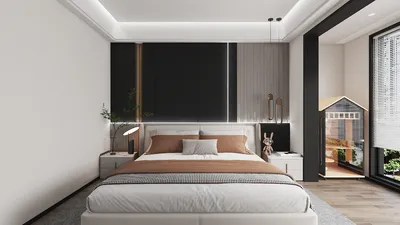


I enjoy creating projects that transform common materials into whimsical, functional environments. A DIY cardboard house fits the bill perfectly: it's safe, cost-effective, and can be customized in countless ways. This engaging activity not only brings joy to both kids and adults but also familiarizes them with essential concepts like scale, structure, light, and color—fundamental elements of spatial design, which can be explored further with tools like Homestyler.
Attention to design details is crucial, even when working with cardboard. For instance, children's seating should be designed to ensure that their elbows remain at a 90° angle to mitigate strain, a guideline supported by ergonomic studies from Herman Miller indicating that good posture enhances comfort and concentration. Lighting is another critical aspect; the Illuminating Engineering Society recommends a lux level of 300-500 for tasks such as constructing and decorating. Achieving this can be simple with the right combination of desk lamps and ambient lighting. Implementing these minor modifications can greatly enhance safety and comfort for users of all ages, as detailed in the WELL v2 framework, which emphasizes visual ergonomics and accessible design principles that fit well within crafting spaces.
The impact of color on mood is significant during both construction and play. According to insights from Verywell Mind on color psychology, vibrant warm tones can energize, while cooler shades may promote tranquility. Therefore, consider using bright pops of color in active zones and softer tones like blues or greens in quieter areas. When paired with appropriate lighting, this thoughtful approach to color can result in a cardboard house that is pleasing to occupy, beyond just a fun construction project.
Defining the Scale and Layout
I begin by establishing the base size and height according to the intended users. For toddlers, doorways should be approximately 18-22 inches wide and 24-30 inches tall, while slightly larger openings of 22-26 inches wide and 36-44 inches high work better for older children. To ensure stability and simplicity, a rectangular shape is ideal. If you're planning to create separate sections like a reading nook, art station, or puppet stage, utilizing an interior layout planner such as Homestyler can help you visualize movement and scale before any cutting occurs.
Required Materials and Tools
Collect 3 to 6 large double-wall cardboard boxes, an appropriate metal ruler, a cutting mat, a sharp craft knife, painter’s tape, non-toxic white glue, child-safe scissors, and low-VOC craft paints or markers. Using recycled cardboard not only keeps costs low but also makes for an eco-friendly project. Double-wall cardboard is recommended for providing additional support for components like roofs and doors, while single-wall pieces are effective for decorative details.
Safety in Cutting and Assembly
To ensure clean edges, I always score the cardboard before cutting. Use a ruler as a guide and keep your fingers clear of the blade. Working on a cutting mat, it’s helpful to have a shallow container for blade storage between cuts. For children, precutting panels and allowing them to focus on the taping, gluing, and decorating aspects helps maintain safety. Reinforcing seams with painter’s tape inside and out, followed by a dab of glue underneath, can provide a durable hold.
Building the Structure: Panels, Roof, and Floors
Employ straightforward structural principles when constructing the cardboard house. Craft four wall panels with overlapping edges for interlocking seams. For the roof, two identical trapezoids will suffice; tape them along the ridge and attach them to the top of the walls. To reinforce, ensure the corrugation of the walls runs vertically while the roof panels have it horizontally. If adding a floor plate, sandwich two sheets together with perpendicular corrugation for added support.
Incorporating Openings and Ventilation
Create doorways with rounded corners to minimize tear points. Ensure windows are positioned no less than 4 inches from edges to maintain wall strength. Ventilation is also important; adding two small clerestory openings near the roof helps to improve air circulation and reduce heat build-up from lighting.
Essential Lighting Guidelines
Avoid placing the cardboard house close to hot light bulbs. Instead, consider using indirect LED strips with a warm color temperature of 2700-3000K for a cozy feel. Aim for an internal illumination level of 300-500 lux during play, in line with IES recommendations. To soften glare, tape tracing paper over window cutouts for a diffused light effect.
Decorating with Color
Opt for low-VOC paints or washable markers when decorating. Bright colors like yellows and oranges can invigorate play areas, while cooler colors such as blues and greens are well-suited for reading corners—backed by established color psychology. Incorporate cut-out shapes, faux shingles, or a mailbox, and consider adding chalkboard surfaces for interactive creativity.
Ensuring Ergonomics and Accessibility
Keep door thresholds low, ideally no more than 1 inch high for easy access. If children will be seated for activities, a stool height of about 10-12 inches works well with surfaces sitting at 16-20 inches high. This maintains comfortable wrist angles, keeping elbows around 90° while they work. Additionally, ensure that heavier decorative items are placed lower to maintain stability.
Improving Acoustic Comfort
While cardboard naturally absorbs some high-frequency sounds, it can amplify lower tones. To mitigate this, consider adding felt sheets or soft fabric inside, and include plush rugs and stuffed toys which can function as acoustic buffers while also contributing warmth to the space.
Focusing on Safety and Durability
Position the cardboard house away from sources of heat, like radiators or fireplaces, and avoid placing it in high-traffic areas. Adding rounded edge trim (from cardboard or foam) on exposed cuts can enhance safety. Regularly check seams, as a simple reapplication of painter’s tape can prolong the life of the structure. If placing it outdoors, ensure it is only used temporarily and kept away from moisture, as it can weaken the structural integrity of the corrugated material.
Step-by-Step Construction Overview
1) Draft the layout and dimensions. 2) Cut four wall panels, including openings for doors and windows. 3) Tape seams on the interior and apply glue beneath for added stability. 4) Assemble the gable roof, attaching it at the ridge. 5) Install ventilation openings near the top. 6) Decorate using paints, cutouts, and signage. 7) Incorporate a small rug and stool for additional comfort inside.
Making Sustainable Choices
Utilize recycled cardboard, water-based glue, and low-VOC paints throughout your project. When the time comes to retire the structure, simply flatten the panels to recycle them. Reinforcing with removable tape ensures a clean disassembly process.
Engaging Play Ideas and Learning Opportunities
Transform interior spaces into themed areas: a cozy reading nook, a pretend café, or a post office. Label these zones to teach kids about navigation and spatial awareness. Change decor seasonally to keep the house fresh and exciting year-round.
Frequently Asked Questions
A footprint of around 24-30 inches by 36-40 inches with door heights between 24-30 inches is ideal for play. Ensure windows are low and sufficiently large for supervision purposes.
Aim for roughly 300-500 lux using diffused LED light, adhering to IES task lighting recommendations. Avoid using hot bulbs or allowing direct glare.
Choose low-VOC, water-based craft paints or washable markers for safety. Allow all panels to dry completely before engaging in play.
Use double-wall cardboard, ensuring crisscrossing corrugation for optimal strength. Hinge panels using tape and add corner tabs for added durability.
Absolutely! Utilize hinged wall panels secured with tape to allow for easy deconstruction. The roof can be detached, walls can be flattened, and everything can be stored conveniently under a bed or in a closet.
Create ventilation with small clerestory openings near the roof and position a larger window opposite the door for effective cross-ventilation.
Utilize a stool height of 10-12 inches alongside a work surface sitting at 16-20 inches, ensuring a neutral posture is maintained. Keeping elbows around 90° enhances comfort while working.
Line the interior walls with felt or fabric, accompanied by a plush rug. These soft materials can help absorb echoes and improve overall acoustic comfort.
Yes, provided you round off corners and maintain a distance of at least 4 inches from edges. Additional perimeter tape may be used for reinforcement as needed.
Utilize lightweight materials such as paper cutouts, fabric, or stickers for decoration. Avoid placing heavy items higher up to ensure structural stability.

Small Table Lamp for Bedroom, 3 Color Temperatures

JONATHAN Y JYL3040A Sophie 26" Resin LED Table
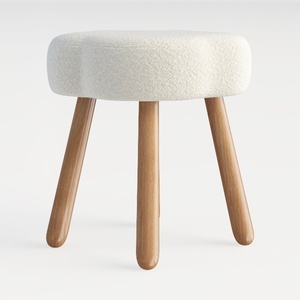
Minimalist Boucle Wooden Ottoman 3D Model
Discover the magic of home design with Homestyler! This user-friendly online platform offers an intuitive design tool, stunning 3D renderings, and a wealth of DIY video tutorials. Whether you're a beginner or a seasoned designer, you can effortlessly transform your vision into reality. Start your design journey today!
今すぐ无料でデザイン
































