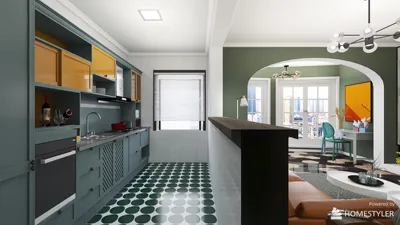


Nestled within the Government Museum complex at Egmore, the Victoria Memorial Hall in Chennai stands as a hidden architectural treasure. Designed in the early 1900s to honor Queen Victoria, this hall showcases a harmonious blend of Indo-Saracenic styles and classical symmetry, featuring arched entrances, elegant colonnades, and intricate details. Though many flock to the museum's collections, the hall itself is a true delight for those who appreciate balance, natural light, and exquisite craftsmanship, making it a perfect inspiration for designs created using Homestyler.
Creating a comfortable environment is essential when visiting cultural spaces. Studies conducted by the WELL Building Standard v2 reveal that effective lighting and glare control significantly enhance visual comfort. This principle applies even in historical sites, where the interplay of daylight and shaded arcades contributes to visitor experience. Moreover, breaks for seating and clear pathways are important—research by Herman Miller suggests that spaces which accommodate brief rests and intuitive navigation can boost satisfaction and minimize fatigue during long visits. These considerations can help you manage your time effectively between the museum exhibits and the memorial hall.
Historical Importance and Value
Commissioned during the British colonial era, the Victoria Memorial Hall is a vital part of Chennai’s Indo-Saracenic heritage, complementing notable institutions across the city. This architectural style fuses Mughal and Hindu aesthetics with British colonial traits, resulting in a design characterized by rhythmic arches, dome-shaped elements, and decorative stonework. Beyond its commemorative purpose, the hall symbolizes a time when public buildings were crafted to educate and inspire, offering spacious interiors filled with light and proportionate detailing—an ethos that can be explored using tools like Homestyler.
How to Reach and Access
Located within the Government Museum grounds in Egmore, the hall is easily accessible from Chennai Central via a short ride, along with convenient suburban train and bus services along Pantheon Road. For those opting for rideshare or taxi services, direct access to the entrance is available. Once there, the pathways are clearly marked; I recommend starting your visit in a clockwise manner, beginning with the archaeological galleries, proceeding to the art wing, and concluding at the tranquility of the memorial hall.
Optimal Visiting Times
Taking into account Chennai's warm climate, mornings are ideal for visiting. Aim to arrive within the initial two hours after opening to take advantage of softer daylight and lower visitor numbers. If you prefer a quieter atmosphere, late afternoons can also be enjoyable; however, be aware that humidity levels increase during this time. It's advisable to stay hydrated and to take shaded breaks under the verandas to manage heat. Weekdays usually see fewer crowds compared to weekends, while public holidays may attract larger groups.
Architectural Features to Note
Pay attention to the proportions and play of shadows on the façades—arched entries create visual harmony, while colonnades help mitigate glare and heat. The Indo-Saracenic design is evident in the intricately carved capitals, decorative stone patterns, and symmetry throughout the structure. The high ceilings inside assist with sound diffusion; the spaciousness of the hall curtails ambient chatter, a feature appreciated when admiring displays without feeling overwhelmed. The selection of materials—stone, plaster, and timber—adds historical context to the construction techniques of that era, which can be effectively illustrated with a tool like Homestyler.
Tips for Navigation and Layout
Think in zones: the arrival area, shaded verandas, the main hall, and transition corridors. If planning a self-guided experience, a simple three-stop itinerary can keep your interest alive—begin with exterior features, move on to the central exhibits, and wrap up with any special displays last. For those who enjoy visualizing their path, utilizing a layout planner can assist in optimizing time and pacing across larger museum spaces, allowing skills honed in spaces like Homestyler to shine.
Visitor Guide
- Tickets: Available for purchase at the Government Museum counters; keep small change and identification on hand.
- Operating Hours: Always verify the official museum website for current timings, as they may vary on holidays.
- Security: Expect standard bag checks at the entrance; lightweight daypacks are easiest to manage.
- Photography: Non-flash photography is commonly allowed in many public spaces; however, confirm the local regulations near specific exhibits.
- Accessibility: The campus features ramps and level pathways; consult the gate staff for the most accessible route to the hall.
Lighting, Comfort, and Acoustics Information
Natural light pours through arches and clerestory windows, creating gentle contrasts that avoid harsh brightness. To help alleviate glare fatigue, take breaks in shaded areas and allow your eyes to adjust before entering brighter galleries. The WELL v2 guidelines emphasize the importance of balanced lighting and minimizing direct glare; heritage colonnades are adept at achieving this balance. Furthermore, the natural damping properties of the hall’s volume and robust materials help reduce noise levels; visiting during peak hours may be best avoided if you're sensitive to sound.
Colors and Materials Used
The calming backdrop of neutral stone and plaster enhances the exhibits, while the warm wood accents in doors and railings provide a human touch. Verywell Mind notes that muted color palettes can facilitate focus, aligning well with the hall’s unpretentious interior—key details can stand out without overwhelming the senses. The interplay of warm shadows cast under arches and the cool daylight filtering through the central courts creates a captivating visual rhythm.
Visitor Etiquette and Preservation
Be mindful of the historic finishes—avoid touching intricately carved surfaces and maintain a respectful distance. It's advisable to keep food and drinks outside exhibition areas. When visiting with children, setting small objectives like spotting specific motifs, counting arch bays, or sketching a column capital can make the experience engaging without stressing the space. Heritage staff serve as custodians of delicate materials; conversing with them can often uncover fascinating conservation narratives.
Attractions Nearby
Enhance your visit by exploring the art and archaeology sections of the Government Museum, the tranquil Connemara Public Library, or the neighboring National Art Gallery. There are numerous cafés in Egmore for quick refreshments; consider planning a route that blends indoor cultural experiences with leisurely outdoor intervals.
Recommended 90-Minute Itinerary
- 0–20 minutes: Begin with an exterior stroll, closely examining arches, columns, and stonework.
- 20–60 minutes: Delve into the interior exhibits; pace yourself and incorporate two brief breaks on benches.
- 60–90 minutes: Take a final sweep for any missed details; choose to exit via the shaded verandas for a cooler experience.
Safety Precautions and Practical Tips
Ensure you carry plenty of water, wear light and breathable clothing, and opt for comfortable shoes. Given Chennai’s humidity, it’s wise to schedule breaks and avoid exposure during peak sunshine hours. Bring small cash for tickets and light snacks, and keep your emergency contacts accessible. Always adhere to signage and staff instructions as routes might change for maintenance.
Frequently Asked Questions
Q1: Is the Victoria Memorial Hall included with the Government Museum ticket?
A1: Generally, yes; access to the hall is included in the museum entry fee. Please verify at the ticket counter for any special promotions or combined exhibit tickets.
Q2: When are visitor numbers typically at their lowest?
A2: Weekday mornings, especially in the first two hours post-opening, are usually the least crowded, providing a quieter atmosphere with better lighting.
Q3: Am I allowed to take photographs inside the hall?
A3: Non-flash photography is frequently allowed in public areas, though some galleries may have restrictions to protect artifacts. Always check the posted rules near each display.
Q4: Is the hall accessible for those with mobility challenges?
A4: The campus features ramps and level paths; inquire with staff at the entrance for the most direct accessible route to the hall.
Q5: What architectural elements should I pay attention to?
A5: Look out for Indo-Saracenic arches, harmonious colonnades, finely carved capitals, and spacious interiors designed to manage glare and sound.
Q6: How should I manage my visit pacing?
A6: A straightforward three-zone plan—focusing on exterior details first, followed by the main hall exhibits, and concluding with any special displays—will allow for brief resting intervals to alleviate visual strain.
Q7: Are guided tours available for the hall?
A7: The museum sometimes schedules guided tours; check at the information desk or look at the official website for updates ahead of your visit.
Q8: What should I wear and bring for my visit?
A8: Dress in breathable clothing, wear comfortable shoes, and remember to bring water and a small daypack. A notebook or mobile device for sketches or notes can also enhance your visit, similar to how you would document designs in Homestyler.
Q9: Any tips on lighting and acoustics for families?
A9: Begin your experience with shaded exterior areas to help your eyes adapt, transition into the hall during less busy hours, and choose seating positioned away from entrances to minimize noise disturbances.
Q10: Can I pre-plan my visit route?
A10: Absolutely! Mapping out a route throughout the museum can be beneficial. If you prefer to visualize your plan, consider utilizing an interior layout planner to estimate time and optimize your experience.
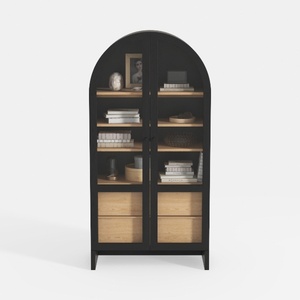
Modern Black Oak Arched Glass Display Cabinet 3D Model
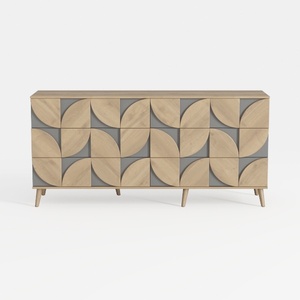
Modern Geometric Pattern Solid Wood Sideboard Cabinet 3D Model
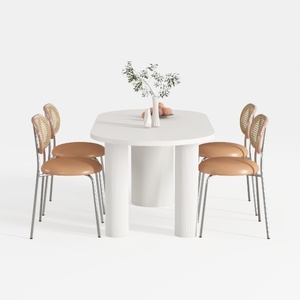
DUOMAY Modern Boucle Dining Chairs Set of 2,
Homestyler is your go-to online home design platform, perfect for both beginners and seasoned designers. With its intuitive design tool, stunning 3D renderings, extensive design projects, and helpful DIY video tutorials, creating your dream space has never been easier or more inspiring!
Design Now for FREE
































