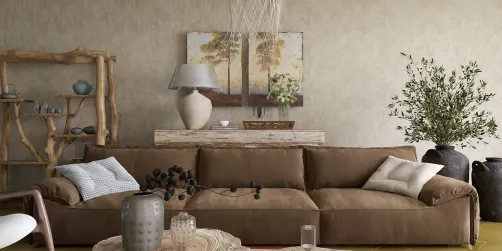
Aboriginal-Style Living Room Design
The Aboriginal-style living room is a harmonious fusion of natural textures, earthy color palettes, and culturally resonant decorative elements—rooted in Indigenous traditions yet thoughtfully integrated into contemporary interior spaces. This design scene emphasizes authenticity, storytelling through craft, and deep connection to land and heritage. It goes beyond surface-level motifs: think handwoven textiles, organic timber furniture, tribal wall art (e.g., dot paintings or carved masks), layered rugs, and plant-based accents—all arranged to evoke warmth, grounding, and multicultural vitality. As highlighted in the Homestyler 'Aboriginal Style Space for APP' contest, this approach thrives in open-plan or mid-sized residential living rooms where spatial flow, tactile richness, and cultural expression converge.
Design Challenges & Common Pitfalls
Designing an authentic Aboriginal-style living room presents unique challenges: avoiding cultural appropriation by prioritizing respectful representation over clichéd stereotypes; balancing bold ethnic patterns without visual clutter; integrating natural materials (like raw wood, stone, or woven fibers) while maintaining structural durability and modern comfort; and achieving cohesive color harmony using earthy tones (ochre, terracotta, charcoal, sage) without dulling the space. Many designers also struggle with scale—especially in smaller urban apartments—where oversized tribal art or low-profile seating may overwhelm proportions. Furthermore, sourcing ethically made Indigenous crafts requires research and intentionality, not just aesthetic selection.
🌱 Principle 1: Prioritize Cultural Respect & Authentic Storytelling
Aboriginal-style design must honor origin, meaning, and community context—not reduce tradition to decoration. Choose artwork, textiles, or motifs with transparent provenance (e.g., pieces co-created with or licensed by Indigenous artists). Use narrative layering: a wall hanging might tell a seasonal story; a rug pattern could reflect local topography. Avoid generic 'tribal' prints divorced from cultural significance. In Homestyler AI design tools, leverage the AR virtual furniture placement and real-time 3D rendering features to preview how symbolic elements interact spatially—ensuring they anchor the room emotionally, not just decoratively.

Kimberly Lockaby’s work 'A Warm Embrace of Culture' exemplifies cultural respect through curated authenticity: her living room features hand-textured wall art inspired by North American Indigenous symbolism—not as isolated props, but as integrated focal points alongside locally sourced timber side tables and sustainably dyed wool throws. Using Homestyler’s real-time 3D rendering, she tested light interaction with matte-finish clay vessels and ensured tribal-pattern cushions complemented (rather than competed with) the sofa’s organic silhouette—demonstrating how thoughtful indoor space planning honors narrative integrity.
Start Free Design🌿 Principle 2: Layer Natural Materials with Intentional Texture Contrast
Texture is the soul of Aboriginal-inspired interiors. Combine rough-hewn wood, nubby jute or sisal rugs, hammered metal accents, smooth river stones, and soft leather or linen upholstery—but avoid monotony by varying scale, weight, and finish. For example, pair a chunky, hand-carved coffee table with fine-woven throw pillows. This principle supports biophilic design goals and enhances sensory engagement. In Homestyler Design Tips, use the 'Material Swap' tool to compare tactile impacts virtually—e.g., visualize how a rattan pendant light changes ambiance versus a black iron fixture—before committing to physical procurement.

Lee Oulman’s 'aboriginal design' showcases intentional texture layering: a smooth, low-slung velvet sofa contrasts with a thick, undyed wool rug and a reclaimed-wood media console featuring visible grain and subtle burn marks. She used Homestyler’s intelligent layout feature to test furniture spacing—ensuring the textured rug remained fully visible under the sofa legs and that pendant lighting didn’t cast harsh shadows on hand-stitched cushion details—proving how precise indoor space planning elevates material storytelling.
Begin Free Styling🎨 Principle 3: Anchor with Earth Tones — Then Elevate with Strategic Accent Colors
Earth tones (burnt sienna, deep ochre, forest green, warm charcoal, creamy ivory) form the foundational palette—evoking soil, clay, foliage, and sky. Accents should be purposeful: terracotta pottery adds warmth; indigo-dyed textiles reference ancestral dye techniques; copper or brass elements echo mineral deposits. Avoid neon or overly saturated hues that disrupt grounding energy. Homestyler’s color palette generator helps designers explore harmonious triads within the earth-tone spectrum—and its lighting simulation shows how accent colors shift across daylight hours, supporting informed decisions about interior space planning under variable conditions.

Maura Bonini’s unnamed design uses a masterful earth-tone anchor: walls in warm greige, sofa in oat linen, and flooring in pale ash wood—then lifts the composition with precisely placed accents: a single burnt-orange ceramic vase, indigo-dyed floor cushion, and copper-toned table lamp. Leveraging Homestyler’s AR virtual furniture placement, she adjusted lamp height and angle to ensure copper reflections warmed the wall art without glare—showcasing how Homestyler Design Tips empower nuanced control over color psychology and ambient balance in small-space interior space planning.
Launch Free DesignFAQ
Q: How can I ensure my Aboriginal-style living room avoids cultural appropriation?
A: Start by collaborating with or crediting Indigenous artists and artisans—prioritize pieces sold directly through community cooperatives or certified ethical platforms. Research the meaning behind patterns or symbols before using them. In Homestyler, use the 'Design Notes' feature to document cultural references and sourcing intentions—turning your digital plan into a respectful design brief.
Q: Can Aboriginal-style design work in small apartments or rental units?
A: Absolutely. Focus on portable, meaningful layers: removable textile wall hangings, foldable woven screens, potted native plants, and modular timber shelving. Homestyler’s smart furniture arrangement and scale-adjustment tools let you simulate compact layouts—testing how a 48-inch tribal mirror or low-profile daybed optimizes flow without sacrificing cultural resonance.
Q: What Homestyler Design Tips help most when selecting authentic Aboriginal-inspired textures and finishes?
A: Use the 'Material Library Filter' with tags like 'natural', 'handmade', or 'organic'—and cross-reference with the 'Real-Time Lighting Preview' to see how raw wood grain or unglazed ceramics respond to your room’s actual window orientation. Also, enable 'AR Floor Preview' to assess rug texture density and scale against your flooring before purchasing—key for confident indoor space planning.


Minimalist Two Tone Fabric Sofa with Throw Pillows and Blanket 3D Model

Galaxy Office Desk, Luxury Starry Night Table
Homestyler offers an easy-to-use online design tool with stunning 3D renderings, a vast collection of interior decoration projects, and helpful DIY video tutorials—making it simple and fun to create your dream home.
Progetta ora GRATIS