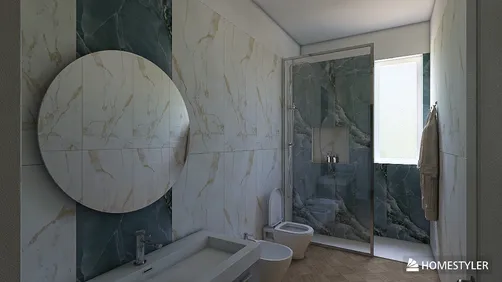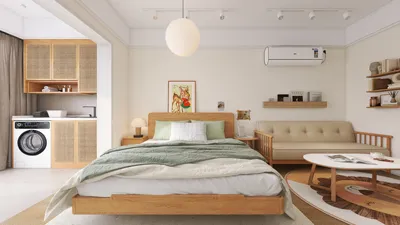



I once mounted a pair of wall sconces so low that a client mistook them for floating candles — a romantic thought, until the smoke alarm sounded. This minor oversight taught me the importance of balancing height, glare, and functionality; in cozy dining spaces, one poorly placed sconce can completely disrupt the ambiance of a meal. To visualize wall sconce placement before committing to any drilling, utilizing tools like Homestyler has become my initial strategy.
1. Large sculptural sconces create a striking focal point
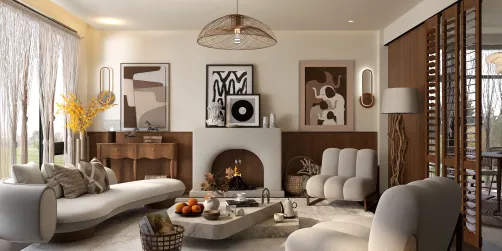
I enjoy using a single bold, sculptural sconce as a visual anchor on a feature wall; it functions like a piece of art while eliminating the necessity for a large chandelier in small dining environments. The advantage is the immediate character it adds while keeping clutter minimal; however, the downside is that oversized designs can be costly and must be appropriately scaled to avoid overwhelming the space.
save pin
2. Sconces placed in pairs create symmetry and layered lighting
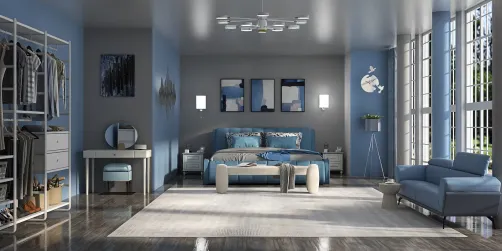
Positioning matched sconces on each side of a buffet, mirror, or piece of artwork fosters symmetry and provides soft, flattering light that enhances faces. This technique effectively layers ambient and accent lighting; however, a minor challenge lies in the wiring — hardwired fixtures may be preferred for a streamlined appearance, but plug-in options are excellent for renters.
save pin
3. Swing-arm sconces offer adaptable task lighting
Swing-arm sconces are my preferred choice when the dining table serves as a homework or laptop area; they allow you to direct light precisely where it's required. They’re perfect for reading menus or accentuating a charcuterie display, though some designs can look somewhat industrial if you're aiming for a cozier atmosphere. To visualize proportions and sightlines, I often create realistic 3D renderings using Homestyler to help clients see how swing-arms function within their space.
save pin
4. Slim-profile LED sconces for modern minimalistic design
Thin LED bars or recessed-edge sconces contribute a sleek, contemporary aesthetic while conserving ceiling space—ideal for dining rooms with lower ceilings. They boast energy efficiency and provide continuous washes of light; the drawback is that some LED configurations may diminish texture, so I often pair them with a warmer accent bulb to sustain depth in the room.
save pin
5. Coordinate finishes and switch styles for consistent style
Aligning the finishes of sconces with cabinet hardware or the legs of the dining table swiftly unifies the room’s appearance—faster than any accessory. I advise clients to consider functionality: incorporating dimmable switches and layered controls enhances the usefulness of the sconces. Before the final setup, I suggest performing a quick mockup or adjusting your layout slightly—simple modifications can prevent the need for a follow-up visit for rewiring.
Ultimately, wall sconces are about creating mood and serving their intended function. I favor warm color temperatures and dimmers for dining areas, as even impeccable design can feel uninviting without appropriate lighting. If desired, I can guide you on measuring for height, selecting bulb colors, and choosing a finish that ages gracefully.
save pin
FAQ
Q1: What is the recommended height for dining room wall sconces?
A: I typically suggest installing sconces 60–66 inches from the floor to the center for standard dining seating, modifying as needed for ceiling height or artwork placement. Sconces should be positioned away from the direct line of sight when seated.
Q2: What bulb temperature is ideal for dining rooms?
A: Aim for a temperature between 2700K and 3000K (warm white) to produce a cozy, flattering glow which harmonizes with skin tones and food.
Q3: Can sconces take the place of a central chandelier?
A: Absolutely — a combination of paired or staggered sconces can effectively replace a chandelier, particularly in narrow or rectangular dining spaces, but ensure that you maintain sufficient ambient light through layering.
Q4: Are plug-in sconces suitable for renters?
A: Definitely. Plug-in sconces or hardwired-mountable-with-plug options provide renters with flexibility and save on rewiring costs, while still achieving a polished appearance.
Q5: Should sconces match other metallic finishes in the room?
A: While matching can enhance cohesion, mixing finishes can also inject interest; I generally advise a dominant finish paired with one complementary accent metal to create contrast.
Q6: How can I avoid glare from wall sconces?
A: Employ frosted shades, indirect uplighting, or position sconces slightly above eye level; utilizing dimmers can further help manage glare. For technical advice, consult the Illuminating Engineering Society’s guidelines on residential lighting (https://www.ies.org/).
Q7: What is the budget range for quality dining sconces?
A: Functional and stylish sconces can range from $50 for basic plug-in models to over $500 for designer or sculptural designs. I like to mix various price points to achieve the best aesthetic without exceeding budget.
Q8: How can I test sconce placement before making a purchase?
A: Use painter's tape to mark the desired height and width on your wall, experiment with a temporary lamp or clamp light, or quickly draft a layout sketch to validate scale—these low-effort methods help avoid expensive errors.
save pin
Homestyler's roots trace back to Autodesk, the global leader in design and engineering software. That heritage lives on in every feature we build. Today, with a community of more than 20+ million registered users (platform data, 2026) worldwide, Homestyler continues to make professional-quality interior design accessible to everyone — from first-time decorators to seasoned architects.
Transform your home design dreams into reality with Homestyler! This user-friendly platform offers an intuitive online design tool, stunning 3D renderings, and a wealth of design projects and DIY video tutorials. Perfect for both beginners and seasoned decorators looking to inspire their next project!
Design Now for FREE























![[For my dearest Sabrinik 🧡]](https://hs-designs.homestyler.com/production/design/images/3f463715-5ed6-4c49-9346-16d464510aa6/1714085722568.jpg?x-oss-process=image/resize,w_502,m_mfit/format,webp)