


Having organized and conceptualized events in various settings, from chic lofts to luxurious hotel galleries, the most frequent inquiry I receive is about the anticipated costs for a diamond banquet hall in 2024. Although it varies across venues, premium ballrooms—characterized by high-quality finishes, sophisticated AV systems, and prime urban locations—typically charge between $120 and $250 per guest for a comprehensive evening service, which includes venue hire, catering, and standard AV. Room rentals alone can range significantly, from $8,000 to $25,000, based on factors such as capacity, time of year, and additional services. Notably, Steelcase’s workplace research emphasizes that environments driven by experiences significantly enhance satisfaction and engagement, which premium venues invest in through elements like customizable lighting, effective acoustics, and strategic layouts that elevate their perceived value, much like features integrated into tools like Homestyler.
The quality of lighting serves as a significant cost factor. Following IES guidelines, the recommended horizontal illuminance for banquet tasks usually falls within the range of 300–500 lux, with accent lighting for highlight areas set at over 700 lux. Additionally, for a pleasing visual effect, color temperatures should be maintained between 2700–3000K to enhance skin tones and warm finishes. Venues equipped to meet these lighting standards with sophisticated, adjustable systems not only command higher prices but also may help cut down on extra rental lighting needs, thereby minimizing the risk of unfavorable photography or guest fatigue.
Core Price Ranges in 2024
• Room rental (space only, standard tables/chairs): $8,000–$25,000 for prestigious city venues; $5,000–$12,000 in secondary locations.
• Per-guest full service (catering, standard bar, service, basic AV): $120–$250+, with certain luxury hotel venues reaching $300 in major markets.
• Ceremony transition fees (using the same space): $1,500–$4,000 for staff and swift transformations.
• Premium audio-visual packages (including line array sound, uplighting, screens, and switching): $3,500–$12,000 based on the scale of the event.
• Decorations and floral arrangements (for a high-end finish): $8,000–$25,000, which can be influenced by seasonality and the complexity of the setup.
Factors Influencing Price Fluctuation
• Venue location and timing: Peak days like Saturdays in high season (from May to October and December) typically attract the highest rates. Conversely, weekday or off-season selected dates can yield savings of 10 to 25%.
• Size and layout of the space: Larger venues that offer unobstructed views and back-of-house accessibility can decrease setup challenges. If you're exploring seating arrangements, utilizing a room layout tool can aid in visualizing seating configurations and dance areas without overloading the available space with a tool like Homestyler.
• Lighting and acoustic quality: Venues designed for optimal sound (with RT60 around 1.0–1.3 seconds for clarity during speeches) and targeted audio zones diminish the necessity for extra rentals while increasing base pricing.
• Catering options: A plated meal served in sync costs more than buffet-style or stationed service; premium ingredients and bespoke pastry selections can quickly raise costs.
• Staffing levels: High-touch service—such as assigning one server for every 8–10 guests—enhances the overall experience and helps maintain the event timeline, which is reflected in pricing per person.
Space Dynamics, Flow, and Capacity Ratios
The comfort of a banquet is fundamentally influenced by spatial planning. I typically allocate 10–12 square feet per guest for seated dining, in addition to setting aside 300–600 square feet for a dance area based on the event's nature (for lively gatherings, estimating 5–6 square feet per dancer is advisable). Maintaining circulation space of 4–5 feet at the perimeter ensures smooth service, while unobstructed sightlines from the head table to the stage promote a cohesive visual experience. In tight layouts, adjusting the width of centerpieces and chairs can reclaim essential inches without compromising aesthetics.
Characteristics Indicating a 'Diamond' Standard
• Materials: Authentic stone, real wood veneers, and acoustic wall elements denote quality; sustainable finishes with valid certifications are increasingly considered the norm.
• Lighting ambiance: A combination of ambient, task, and feature lighting with glare reduction and preset scenes; warm color temperatures for dining and neutral tones to enhance floral displays.
• Ergonomic design: Chairs that support proper lumbar alignment and seat angles, alongside adequate clearance beneath tables and ADA accessibility integrated into the main flow, are essential.
• Acoustics: Incorporating soft surfaces and strategic sound diffusion keeps reverberation times conducive to speech clarity; well-placed audio systems provide balanced sound coverage without problematic hotspots.
• Back-of-house considerations: Ample staging, freight access, and electrical arrangements can lessen vendor labor overhead and safeguard your overall schedule.
Potential Hidden Fees
• Costs for power drops and rigging associated with lighting installations or special effects.
• Corkage fees or charges for external suppliers (cakes, specialty bars, cultural catering options).
• Service charges (commonly ranging from 20–25%) and applicable local taxes—remember to factor these into all subtotal figures in your budget.
• Fees for overtime labor and penalties for late disassembly.
• Minimums for security services, coat check, and valet arrangements in metropolitan venues.
Understanding Color Psychology in Banquets
Warm neutrals accented with subtle metallics enhance both complexion and food presentation, while more vibrant hues can be judiciously employed to invigorate entrances and bar areas. Insights from Verywell Mind consistently associate reds with excitement and appetite, while blues convey calmness and trust—incorporating reds in high-energy areas while balancing blues will help maintain an inviting dining atmosphere.
Guidelines for Crafting a Realistic Budget
Begin by determining your guest list and service preferences, ensuring to prioritize the elements that profoundly impact the experience: lighting, acoustics, staffing, and schedule management. I usually construct a base budget (room, catering, service, and AV) and allocate an additional 15% for contingencies surrounding décor and special effects. Formulate a must-have checklist (live bands, upscale bars, ceremony transitions) alongside a wish list (late-night snacks, photo booths). Early estimation of your layout using an interior layout planner will help seamlessly align the floor plan with your seating and dancing requirements, similar to what is provided with tools like Homestyler.
Effective Negotiation Strategies
• Trade desirable peak dates for enhancements in AV or additional rehearsal periods.
• Combine ceremony and reception to simplify transitions and minimize additional fees.
• Request that lighting presets and sound checks are included during your walkthrough.
• Share vendor lists early to allow the venue to organize back-of-house processes efficiently—this can help mitigate labor costs and provide you with better negotiation power.
Scheduling and Vendor Management
Develop a detailed run-of-show that accounts for every minute. Be mindful that lighting scenes should adjust in tandem with meals and speeches; the bar atmosphere might shift and become warmer post-dessert. Ensure AV connections are straightforward, utilizing a primary switcher for slides and videos, dedicated microphones for toasts, and a separate output for entertainment. Conducting a quick line check before guests arrive can ensure a smooth evening.
Frequently Asked Questions
Q1: What is the average cost per guest for a high-end banquet in 2024?
A1: Anticipate costs ranging from $120 to $250 per guest for complete service in premium locations, with luxury hotel ballrooms potentially reaching $300 or more, all depending on catering, bar services, and AV.
Q2: How much should I expect to pay for room rental only?
A2: Rooms classified in the diamond tier generally command between $8,000 and $25,000 in major markets, with lower rates seen in secondary locales and during off-peak periods.
Q3: Does lighting significantly impact pricing?
A3: Absolutely. Venues designed according to IES lighting recommendations (approximately 300–500 lux for dining) equipped with dimmable systems and presets often charge more, but this allows for a decrease in need for external lighting rentals.
Q4: Which AV components are truly worth the investment?
A4: Elements that ensure even sound coverage, calibrated microphones, clear projection paths, and a skilled technician are invaluable. A bundled AV package between $3,500 and $8,000 typically accommodates most mid-sized events without unexpected costs.
Q5: How can I determine an appropriate dance floor size?
A5: Account for 5–6 square feet per dancer. For instance, if you have 150 guests with about 50–60 dancing simultaneously, a dance floor of approximately 300–360 square feet would feel comfortable.
Q6: Are service charges negotiable?
A6: Generally, no; they are used to cover staffing and operation costs. Focus negotiations on the inclusions of packages, such as lighting options, rehearsal access, or upgraded linens.
Q7: What layout mistakes can incur additional expenses?
A7: Mistakes such as overcrowding tables, long travel distances for servers, and obstructed sightlines can lead to extra charges. Utilizing a layout simulation tool early on can help to validate table counts and aisle dimensions.
Q8: What impact can acoustics have on my event?
A8: Excessive reverberation can obscure speeches and necessitate increased volume. Venues tuned for RT60 between 1.0 and 1.3 seconds for optimal clarity will maintain pleasant sound environments while reducing strain on AV systems.
Q9: Is it beneficial to hold a wedding or gala on a weekday?
A9: If you’re flexible, choosing a weekday or dates in the shoulder season can offer savings of 10–25% and improve vendor availability.
Q10: Where should I allocate contingency funds?
A10: For décor complexities, special rigging, and overtime labor considerations. Setting aside 15% of the base package budget provides a buffer to ensure financial safety.
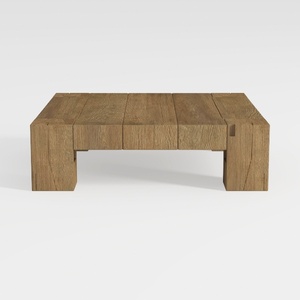
Rustic Solid Oak Wood Coffee Table Minimalist Living Room 3D Model

Natural Rattan Woven Square Ottoman 3D Model

Looking to transform your home? Homestyler is your go-to online design platform! With its user-friendly design tool, stunning 3D renderings, and a wealth of DIY video tutorials, you can effortlessly create beautiful spaces that reflect your unique style. Start designing today!
Design Now for FREE
































