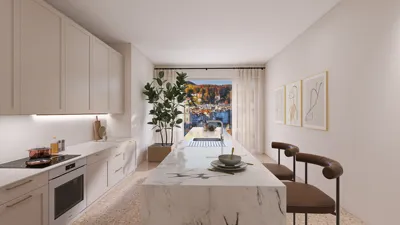


A bathroom measuring 8x10 feet provides an ample 80 square feet to optimize comfort, storage, and movement. My approach begins with outlining functional zones—delineating wet areas (shower/bath), dry areas (vanity, storage), and semi-wet locations (toilet). From here, I fine-tune clearances, establish task lighting, and enhance acoustic properties. Research from Steelcase highlights that well-organized task zones minimize visual clutter, reducing cognitive load and improving user experiences—concepts that apply well to home bathrooms. Integrating these ideas with WELL v2 recommendations for glare management and circadian-friendly lighting can elevate daily routines beyond mere aesthetics, which can be easily visualized using tools such as Homestyler.
In bathroom design, effective lighting and ergonomic principles are essential. According to WELL v2, layered lighting is crucial, and I typically aim for a light level of 300–500 lux at the vanity for grooming, alongside 200–300 lux for ambient light. Achieving a Color Rendering Index (CRI) of 90 or above is important for accurately displaying skin tones. Applying Human Factors principles ensures the necessary clearances are adhered to: maintain 30–32 inches in front of the toilet, 36 inches at the vanity, and 24 inches at the shower entrance. These standards help create predictable daily tasks and support safer movement within the space.
Strategies for Designing an 8x10 Bathroom Layout
For 2025, I prefer three different archetypes that can adjust to various lifestyles and plumbing requirements. Utilizing a room layout tool is invaluable for assessing door swings, fixture placement, and sightlines before undertaking any construction—a practice easily facilitated with Homestyler.
Ideal for budget-conscious renovations or slab-on-grade homes where relocating drains is prohibitive. Position the vanity, toilet, and a 60–66 inch tub or 36x60 inch shower along one long wall, reserving the opposite side for tall storage solutions. This setup minimizes plumbing complexity and simplifies maintenance. Ensure a minimum of 15 inches from the toilet's centerline to any side obstructions (NKBA standards), while keeping 36 inches clear in front of the vanity. Utilizing sliding or pocket doors maximizes entry space without interfering with the layout.
Position the vanity and storage on one long wall, while creating an alcove shower (36x60 inch) on the short wall to take advantage of natural light. Nest the toilet in between, shielded by a half-height privacy barrier (42–48 inches tall). This arrangement minimizes water splash, conceals the toilet from view, and smooths the flow through the space. Incorporate a linear drain to promote safe, low-threshold access. The half wall can also serve as a support for a niche and grab bar, designed at 33–36 inches for universal accessibility, in line with ADA guidelines for home applications.
For bath enthusiasts who also need quick shower options, a 60 inch tub-shower combination along the short wall maximizes floor space. The vanity is set opposite to maintain a clear sightline, while the toilet is discreetly positioned at the end with a frosted glass screen for privacy. Features like a pocket door and a towel-warming rail near the shower can enhance workflow. Opt for 24–27 inch deep vanities to promote more effective circulation; deeper options can restrict movement.
Lighting, Glare Management, and Color Psychology
I envision vanity lighting as a tripartite approach: two vertical fixtures flanking the mirror at eye level (66–70 inches to center) plus a dimmable overhead light. IES guidelines suggest vertical lighting for accurate grooming; my goal is to achieve uniform illumination while avoiding shadows. Enabling a night mode at 1–3 lux with warm 2700K tones contributes to circadian comfort while minimizing glare. To create mood, studies on color psychology indicate that cooler shades promote tranquility, whereas warm neutrals boost comfort. Thus, I harmonize soft gray or muted blue walls with warm wooden or brass details to maintain an inviting atmosphere rather than a stark one.
Acoustic and Thermal Comfort Considerations
Hard surfaces can escalate sound levels, so I incorporate acoustic materials strategically: for instance, a fabric-upholstered vanity stool, soft-close mechanisms, and sound-dampening door designs whenever feasible. Adequate ventilation is necessary as well; aim for a continuous flow of 50–80 CFM or over 100 CFM intermittently with a humidity sensor to mitigate mold issues. Positioning the fan away from the vanity reduces any drafts and noise during grooming times. Heated flooring at 10–12 W/sq ft and a low-noise exhaust system (≤ 1.0 sone) enhances morning routines without cluttering the visual environment.
Material Choice and Eco-Friendly Practices
In the wet zones, resilient finishes are critical. For floors, porcelain tiles with a DCOF of at least 0.42 ensure slip resistance, while epoxy grout in showers maintains integrity and hygiene. Utilize solid-surface or quartz countertops for less susceptibility to staining. Choose FSC-certified wood for vanities and Greenguard Gold finishes to protect indoor air quality. Low-flow fixtures (toilets ≤1.28 gpf and showerheads ≤2.0 gpm) enhance performance while conserving water. If using natural stone, limit it to walls or vanity areas to lessen upkeep, ensuring proper sealing and ventilation to prevent moisture issues.
Storage Solutions, Niche Design, and Daily Workflow Improvements
Storage should complement rather than dictate your daily routine. I incorporate tall cabinets measuring 12–14 inches deep for linens on the dry side, along with recessed niches inside the shower area, positioned at a height of 48–54 inches to accommodate full-sized bottles. A 24 inch drawer stack at the vanity efficiently organizes everyday items, while a medicine cabinet with built-in power access helps keep electric dental care devices and shavers off the counter. Hooks can outperform traditional towel bars in family settings; I recommend one hook per user and an additional robe hook placed conveniently near the shower's exit.
Human Factors: Ensuring Safety and Clearances
Visual balance plays a vital role in bathroom design. Maintaining strong vertical elements—such as mirrors and tall storage units—along one wall anchors the overall look while minimizing clutter. I adhere firmly to clearance requirements: at least 36 inches for circulation paths, 30 inches in front of the toilet, 24 inches at the shower entry, and 18 inches from the shower wall to the glass for comfortable movement. Integrate grab bars at a height of 33–36 inches both in the shower and next to the toilet for an inclusive design. Matte finishes on floors reduce glare that may arise from shiny surfaces, and rounded vanity pulls mitigate snag hazards in tighter spaces.
Emerging Technologies and Smart Control Options
Tunable-white lighting enables adjustments from warm evening tones (2700K) to bright morning light (3500–4000K); motion sensors can manage night lighting, while occupancy sensors prompt ventilation after shower use. A demisting mirror pad saves valuable time and assists in moisture control. Ensure that controls are user-friendly—designate one scene for task-oriented setups (bright vanity, exhaust fan), another for relaxation (dim ambient light, warmer hues), and a night option for pathways only. It's essential to have GFCI outlets near the vanity while integrating USB-C ports when practical, but avoid overloading the wall space with devices.
Design Trends for 2025: Calming, Textured, and Durable Finishes
In 2025, I anticipate a preference for layered neutral tones, gentle geometries, and tactile surfaces over high-gloss minimalism. Utilizing ribbed tiles, honed stones, and brushed metals can ground the design. It's advisable to limit materials to 2–3 at most to maintain visual cohesiveness. For those who desire color, it’s a good strategy to introduce accents through towels or singular accent walls rather than fixtures, offering easier updates over time. Natural light remains an essential element for mood enhancement; for privacy, consider options like frosted glass or reed glass to allow light while preserving confidentiality.
Planning, Phasing, and Layout Simulation Techniques
Sequence your demolition, plumbing groundwork, and tile installation in a way that protects finished features and reduces the need for revisions. Conduct a dry fit for fixture locations and utilize an interior layout planner, such as Homestyler, to confirm clearances and examine smaller details—where shower doors open, towel reach, and sightlines from the entrance.
Frequently Asked Questions
Typically, my layout steps are vanity → toilet → shower/tub. This arrangement promotes plumbing efficiency, conceals the toilet from view upon entry, and prevents splash issues near the vanity.
The objective is to achieve 300–500 lux with a high CRI (≥90) and to provide vertical lighting aimed at the face. This strategy is consistent with IES recommendations for accurate grooming.
Certainly! A 60 inch double vanity is feasible if you ensure 36 inches of clear space in front and keep all circulation paths clear of obstructions.
It’s indeed possible, provided there is proper sloping (1/4 inch per foot), a linear drain, and correct waterproofing. Ensure that the area measures at least 36x60 inches for comfortable movement, and incorporate a half wall to control any potential splashes.
Muted blues and cool grays create a calming atmosphere, softened further by wood or brass accents to enhance comfort. According to insights from Verywell Mind, cooler tones reduce arousal levels, which is beneficial for focus in the morning.
To minimize sound, employ soft-close mechanisms, sound insulation for doors, and softer materials. Separate the exhaust fan from zones used during grooming to achieve quieter operation with a maximum sone rating of ≤ 1.0.
Ensure a minimum of 15 inches from the centerline to any side obstructions, along with 30–32 inches clear in front of the toilet. These dimensions are in line with established comfort and residential standards.
Installation height should be 33–36 inches for grab bars located in the shower area and adjacent to the toilet. Ensure walls are adequately reinforced during the rough-in phase to secure all fixtures properly.
Absolutely. Ambient lighting sets the general visibility, while task lighting at the mirror prevents any shadows. Having separate circuits or pre-set scenes can facilitate smoother transitions throughout the day.
Utilize porcelain tiles with a DCOF of at least 0.42 for safety against slip hazards, choosing matte finishes to manage glare, and applying epoxy grout in wet areas for lasting durability.
It's advisable to simulate clearances and door movements with a layout simulation tool, such as Homestyler, to confirm ergonomics, adequacy of storage access, and proper lighting placements before beginning demolition.
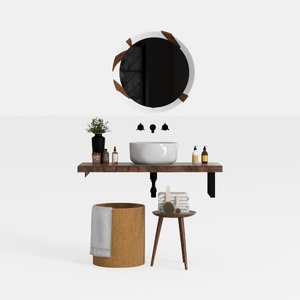


Homestyler is your go-to online home design platform, perfect for bringing your ideas to life! With its easy-to-use design tool, stunning 3D renderings, diverse design projects, and helpful video tutorials, you'll be inspired to create beautiful spaces—no experience needed!
Design Now for FREE
































