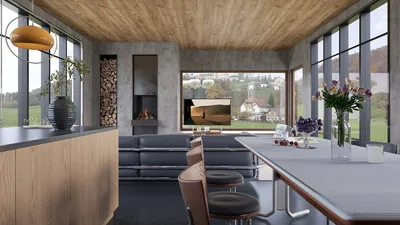


Designing a basement floor plan may seem intimidating at first, but with a strategic approach, it can evolve into an enjoyable and imaginative task. This guide will walk you through the crucial steps to craft a comprehensive and practical basement floor plan tailored to your preferences. Start by collecting your necessary tools: graph paper, a pencil, and a ruler are essential. Alternatively, you might explore digital options, such as interior design software like Homestyler, which can streamline the process. Once your tools are in hand, the next step is measuring your space. Carefully measure the length and width of your basement, taking note of any niches, columns, or structural components that may influence your design. Record these dimensions, as they will serve as the basis for your drawing. Now, let’s move on to sketching out your basement's layout on the graph paper, utilizing a scale to maintain proportion. For instance, assign one square on your graph paper to represent one foot of actual space. After establishing the outline, proceed to denote the walls, along with the placement of doors and windows, ensuring to indicate the swing direction of each door. With the fundamental structure in place, contemplate the intended usage of the area. Will it serve as a cozy family room, a dedicated home office, or perhaps a personal gym? Clearly define the purpose for each section and adjust the walls accordingly. Pay attention to the space's flow; it should facilitate easy movement between different areas, ensuring a comfortable and functional arrangement. Following that, visualize the furniture you intend to incorporate. Drawing in the furniture pieces can help you assess their fit within your layout. Utilizing cut-out shapes to represent furniture can provide flexibility for rearrangement as required. Additionally, don’t overlook storage solutions like cabinets or shelving, which can greatly improve the functionality of your basement. Once your layout is complete, step back to evaluate your plan carefully. Confirm that your design aligns with your needs and be open to making adjustments if needed. When using software like Homestyler, adjustments become quite straightforward, and you can benefit from visualizing your design in 3D. Lastly, after you are content with your basement floor plan, consider the finishing touches, such as wall colors, flooring materials, and lighting fixtures. Keep in mind that your ultimate objective is to create a space that is both functional and enjoyable. Drawing a basement floor plan marks just the beginning of transforming your space into a stunning and practical area. With thoughtful planning and a dash of creativity, you can craft a basement that enhances your home and aligns with your lifestyle.
Tips 1:
Take your time with measurements; precision is crucial for an effective floor plan.
FAQ
Welcome to Homestyler!

Modern Industrial Solid Wood Metal Open Wardrobe Closet 3D Model

Minimalist Linen Fabric Extra Large Sofa With Throw Pillows And Blanket 3D Model
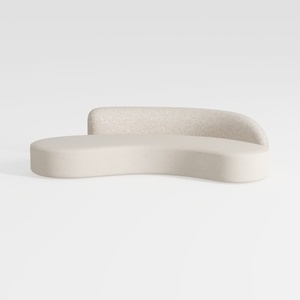
Minimalist Boucle Curved Sofa 3D Model
Discover Homestyler, the ultimate online home design platform perfect for all skill levels! With its user-friendly design tool, stunning 3D renderings, and a wealth of inspiring projects and video tutorials, you can effortlessly bring your creative vision to life and transform your home today!
Progetta ora GRATIS
































