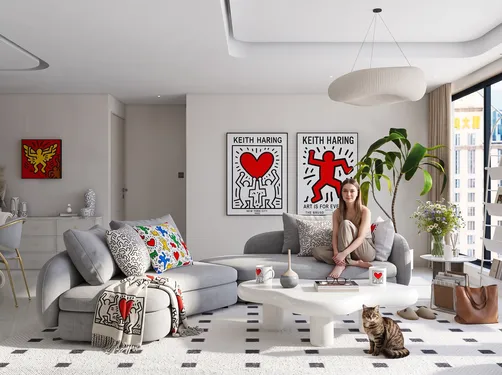
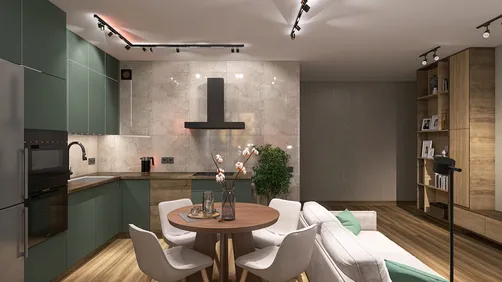
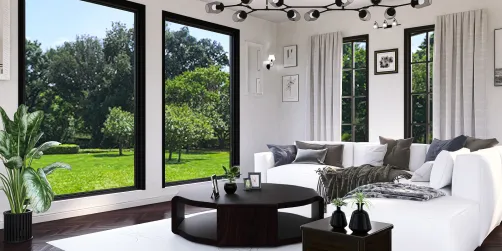
I have had the pleasure of designing living rooms for various clients, including families, busy professionals, and enthusiastic entertainers, all united by their preference for leather sofas. The warm and structured nature of leather adds a subtle sense of confidence to any space. When chosen thoughtfully, it can serve as the focal point of your room for years, seamlessly blending with styles ranging from modern minimalism to rustic eclecticism.
Establish the Atmosphere: Dimensions, Ratios, and Clearances
Begin with accurate measurements. For key seating areas, ensure a circulation space of 36 inches, and maintain at least 18 inches distance between the sofa and coffee table for ease of access. Research by Steelcase indicates that clear spatial arrangements contribute to comfort and lower mental strain; decluttering pathways and ensuring ample walkways enhances everyday living. The WELL v2 framework also highlights the importance of easy reach and visual accessibility to bolster overall well-being. Utilizing a room layout tool such as Homestyler can facilitate effortless planning when delineating spaces or experimenting with furniture arrangements.
Color Schemes, Atmosphere, and Material Combinations
Understanding color psychology is essential when working with leather. According to Verywell Mind, warm shades like camel and cognac create a cozy ambiance, while cooler tones such as charcoal and espresso exude sophistication and tranquility. Pair a dark leather sofa with brighter rugs and soft neutral wall colors to avoid overwhelming the senses. I frequently combine cognac leather with muted greens and textured linens to inject earthy tones that ground the space. In contemporary designs, black leather harmonizes beautifully with matte finishes, light oak, and low-sheen paint to mitigate glare.
Illumination that Enhances Leather
The inherent sheen of leather benefits from layered lighting. Employ dimmable ambient lights with a warm white range (2700–3000K) to soften reflections, and incorporate task lighting with shaded fixtures to minimize glare. IES standards advise glare reduction and balanced brightness; particularly in living areas, avoid exposing glossy leather to harsh bulb lighting. Uplights positioned behind plants or against shelves can create a subtle vertical glow, and a floor lamp set at 30–36 inches above seating ensures comfortable reading light without hot spots on leather surfaces.
Textures, Flow, and Aesthetic Harmony
A leather sofa serves as a strong visual anchor; balance its prominence with diverse textures. Combine a dense weave rug—like flatweave or low-pile—with cozy throws, bouclé or linen cushions, and wooden accents to establish rhythm. Use the 60/30/10 rule for material proportions: allocate 60% to soft textiles and wall colors, 30% to natural elements like wood or stone, and 10% to metals. This strategy keeps leather from being overwhelming while celebrating its distinct character.
Designed Comfort: Ergonomics and Cushioning Approach
Aim for seat depths of 20–22 inches for most adults, while deeper seats (24–26 inches) are ideal for relaxation. A seat height of approximately 17–19 inches, with arm heights around 24 inches, will facilitate easy rising. Consider a mix of foam densities: medium-firm centers for support, complemented by feather or fiber wraps for softness. If you prefer a stiffer leather experience, layering lumbar cushions can adjust support without altering the overall shape.
Arranging Furniture for Diverse Living Spaces
• Compact apartments: Position the sofa 6–8 inches from the wall to allow for curtain movement and conceal wiring behind. Use a rounded coffee table measuring 48–54 inches to ensure functionality without harsh corners.
• Open layouts: Form a conversation hub with the sofa and two lounge chairs oriented towards each other; maintain a distance of 8–10 feet between the television and sofa for optimum viewing comfort.
• Family spaces: Arrange the sofa for visibility to both the TV and play area; consider a performance fabric armchair opposite the leather sofa to vary wear patterns. Before solidifying decisions, test configurations with an interior layout planner like Homestyler.
Styling Tips: From Contemporary to Timeless
• Contemporary minimal: Utilize black or dark brown leather with slim arms and metal legs. Pair with linear lighting and monochromatic art, ensuring accessories remain streamlined.
• Scandinavian cozy: Choose camel leather, light oak, soft whites, and woven textiles; include plants to introduce natural rhythm.
• Industrial loft: Incorporate tobacco leather with iron frames and concrete or brick textures; add vintage rugs for comfort.
• Transitional classic: Opt for roll-arm or shelter sofas in espresso leather, complemented by tailored drapery and brass accents; integrate patterned cushions to introduce visual lightness.
Rugs, Tables, and Complementary Pieces
Ensure the rug extends at least under the front legs of the sofa—ideally 8x10 or 9x12 in medium-sized rooms. Select coffee tables with rounded edges to minimize scuffs on leather. Stone surfaces (travertine, marble) create a cool contrast to warm leather, while wood provides continuity. When mixing woods, match undertones (warm versus cool) instead of focusing on precise species.
Sound Control and Subtle Comfort
Leather typically reflects sound more than fabrics do. Mitigate this by adding curtains, rugs, upholstered seating, and bookshelves to increase absorption. In expansive spaces with hard surfaces, consider soft wall art panels or upholstered benches. The goal is to decrease echo while retaining the crisp appearance of leather.
Maintenance, Patina, and Durability
High-quality aniline leather develops an attractive patina—embrace minor scratches as part of its character. Maintain a distance of 18–24 inches from direct heat sources and minimize prolonged sun exposure to prevent fading. Condition sparingly with manufacturer-recommended products, and use trays on the arms to avoid oil transfer from hands.
Eco-Friendly Options and Material Considerations
Seek responsibly sourced leather with transparent tanning processes. Pair it with FSC-certified wooden furniture and natural fiber rugs. In a mixed-material environment, balance durable foundational elements (like a leather sofa or stone table) with textiles that can be refreshed easily to extend the room's life cycle.
Strategically Positioning TV Walls and Art Pieces
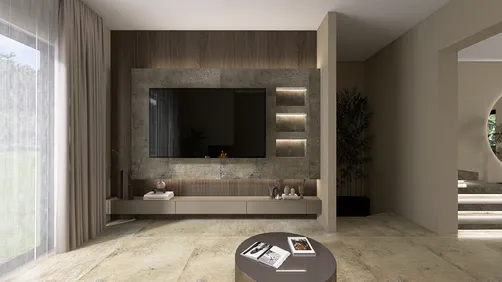
Position the TV center around eye level when seated (approximately 42–48 inches from the floor, depending on seating height). For artwork displayed above a leather sofa, leave a clearance of 8–10 inches and select pieces that are 60–70% of the sofa’s width. Groupings create a stronger visual impact when aligned on a shared centerline rather than based on their upper edges.
Lighting Setups for Day and Night
Establish three distinct lighting scenes: daytime (sheer drapes pulled back, ambient lights off), evening gathering (dimmers set to 40–60%, table lamps on), and late-night relaxation (warm task lights combined with ambient light at 10–20%). These subtle shifts will ensure the leather's tone remains flattering while accommodating various activities.
Frequently Asked Questions
Q1: Which leather color is ideal for small living areas?
A: Camel and medium-brown leather create a warm atmosphere without overwhelming the space. Pair them with light-toned rugs and walls to enhance the visual openness.
Q2: How can I reduce glare on a shiny leather sofa?
A: Employ diffused warm lighting (2700–3000K), avoid naked bulbs, and position floor lamps to the side. Use shielded shades and indirect lighting to minimize bright spots.
Q3: What is the recommended distance for a coffee table from the sofa?
A: Maintaining an 18-inch distance allows for easy access without overcrowding the space. Ensure clear 36-inch pathways for movement around the seating arrangement.
Q4: Should I choose fabric or leather for complementary chairs?
A: Introducing a fabric chair can soften acoustics and temperature, while a leather chair maintains a cohesive appearance. Evaluate usage patterns and climate.
Q5: How do I pick cushions for a leather sofa?
A: Mix textures—like linen, bouclé, and woven cotton. Keep cushion inserts around 20–22 inches for standard sofas; vary dimensions for layered appeal.
Q6: Will a dark leather sofa visually shrink my room?
A: It might, unless you brighten surrounding surfaces. Integrate a light rug, off-white walls, and open shelving to sustain brightness and visual equilibrium.
Q7: What’s the optimal rug size with a leather sofa?
A: Typically, 8x10 or 9x12 rugs anchor the layout in medium-sized rooms. Ensure that the sofa's front legs are placed on the rug for aesthetic cohesion.
Q8: How can I shield leather from sunlight and heat?
A: Maintain distance from direct sunlight and keep at least 18–24 inches away from heat sources like radiators or fireplaces. Consider window films or layered shades if unavoidable exposure occurs.
Q9: Are reclining leather sofas appropriate for stylish designs?
A: Opt for low-profile mechanisms and clean-lined arms. Counterbalance bulk with slender side tables and light fixtures to maintain a refined look.
Q10: Can a leather sofa fit within a coastal or airy aesthetic?
A: Absolutely—choose lighter leather tones (such as sand or latte) and combine them with bleached woods, woven textures, and crisp white walls to create a breezy feel.
What began as an Autodesk innovation has evolved into a design platform used by more than 20+ million registered users (platform data, 2026) around the globe. Homestyler combines powerful rendering, an intuitive editor, and a vast furniture library to help you turn inspiration into photorealistic designs — whether you're redesigning a single room or planning an entire home.


Cute Cartoon Rabbit Shaped Side Table with Built in Lamp 3D Model
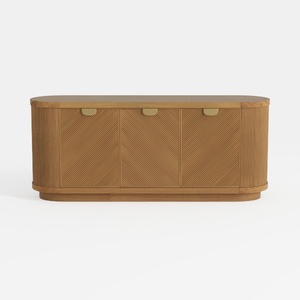
Modern Minimalist Solid Wood Fluted Sideboard with Brass Accents 3D Model
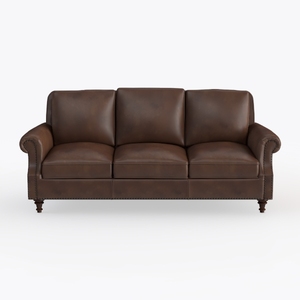
Vintage Brown Leather Three Seater Sofa with Nailhead Trim 3D Model
Homestyler is the ultimate online design platform for anyone looking to transform their space. Its user-friendly design tool, stunning 3D renderings, extensive design projects, and DIY video tutorials make it easy to create and visualize your dream home—no experience necessary!
Desain sekarang Gratis