

When designing homes that face east, I prioritize the gentle and invigorating quality of morning light, ensuring close attention to the placement of the pooja room. The goal is clear: synchronize orientation, flow, and day-to-day practices to foster a sense of calm and ease. Accentuating the importance of morning light, I turn to the IES guidelines, indicating that ideal ranges for residential activities lie between 300 and 500 lux; with proper adjustments to window height and shading techniques, an east-oriented living-dining area typically achieves these lux levels without any harsh glare during early hours. Research from the WELL Building Standard (WELL v2) further supports this, indicating the positive impact of natural light on circadian rhythms and comfort, which aligns well with the Vastu preference for an eastward main entrance along with a naturally illuminated prayer area.
From my experience, households thrive when essential spaces are designed with intentional focus points. According to Steelcase's findings on behavioral settings, areas that encourage concentration and rejuvenation lead to enhanced daily productivity; within a home, the pooja room plays a significant role in providing this restorative solace, especially if positioned away from common traffic areas and thoughtfully designed for acoustic tranquility. Trends analyzed by ASID consistently spotlight the rising emphasis on wellness-focused interior design—encompassing light quality, sound, and material health—which corresponds with Vastu principles advocating for a clean, clear, and harmonious layout. If you're interested in exploring daylighting performance and promoting healthy living spaces, I suggest reviewing the WELL v2 lighting specifications alongside IES standards.
Key Principles for an East-Facing Vastu Layout
• Entry and approach: Position the main entrance in the east or northeast quadrant when possible, ensuring a well-lit and unobstructed threshold that fosters a calming arrival experience.
• Morning zones: Group together kitchen breakfast areas, family gathering spaces, or a cozy study close to east-facing windows to fully utilize the soft morning light. Ensure that the glass used allows an adequate transmittance level to meet the lighting goals (300–500 lux for casual tasks) while minimizing glare.
• Pooja room orientation: Ideally, this should be in the northeast (Ishan) for optimal purity and gentle illumination. If that's not viable, orienting it to the east is acceptable, provided that light and sound management are carefully curated.
• Circulation clarity: Design a flowing layout that does not disrupt the pooja entrance. Aim for circulation pathways sized between 900–1100 mm for comfortable movement and accessibility.
• Proportion and symmetry: Establish a central axis or balanced arrangement to enhance visual stability—Vastu values organization, and inhabitants can sense the difference in both navigation and serenity.
Configuring the Pooja Room: Light, Acoustics, and Ritual Flow
• Lighting environment: Strive for soft, indirect natural light in the early morning hours. Utilize frosted glass or sheer textiles to soften glaring rays; during the evening, warm-white layered lighting (2700–3000K) contributes to a peaceful atmosphere. Ensure even vertical lighting on the deity wall and steer clear of harsh direct downlights that could cast strong shadows.
• Acoustic comfort: Quiet sealing for doors, felt-lined acoustic panels, and cork or wood slats can help minimize sound reverberation. If the pooja room is adjacent to living spaces, consider adding mineral-wool insulation and resilient channels to reduce noise transmission.
• Material selection: Choose low-VOC finishes coupled with natural elements such as stone, solid wood, or limewash. Brass decorations blend beautifully with matte textures to maintain a subtle ambiance.
• Layout considerations: Position the deity towards the east or west wall so worshippers face east during prayers. Incorporate concealed storage solutions for lamps, incense, and fabrics to retain tranquility. Incorporate a low plinth and a discreet ventilation grille to manage heat from diyas effectively.
Effective Room Zoning in East-Facing Homes
• Northeast (Ishan): A sanctuary for the pooja room or meditation area—peaceful, minimalistic, and suffused with natural light.
• East: An inviting living area or breakfast nook—captures the soft morning light, setting a positive tone for the day ahead.
• Southeast: Kitchen space—aligns with traditional Vastu preferences. Ensure there is ample exhaust and cross-ventilation to facilitate freshness.
• Southwest: The master bedroom—creates a grounded and private retreat, featuring extensive storage options positioned against the west wall for added stability.
• Northwest: Guest sleeping quarters or additional bedrooms—ideal for transient traffic and effective ventilation.
• Center (Brahmasthan): Keep this space open and uncluttered—a skylight or visual void (such as a lightwell or double height ceiling) works wonders if structurally feasible.
3D Planning Workflow: From Concept to Visualization
I initiate my process by conducting a massing study to identify sunlight angles and then refine wall dimensions to conform to seamless grid specifications (300–600 mm modules). The next step involves testing the furniture layout to ensure the living area flows well while keeping the pooja room discreet yet accessible. For anyone looking to refine zoning and furniture arrangement, utilizing a room layout tool that allows for drag-and-drop functionality and bird’s-eye views can be greatly beneficial in validating Vastu placements while assessing clearances and lighting options. Consider employing this Homestyler interior layout planner for simulating entry pathways, northeastern room configurations, and morning sun trajectories.
Tips for 3D Visualization of an East-Facing Vastu Plan
• Sun analysis: Set the geolocation and examine conditions from 7:30–9:00 a.m. to assess the morning light angles affecting the living and pooja zones.
• Camera positioning: Maintain an eye level around 1500–1600 mm and use a horizontal lens to avoid distortion in the perception of the altar wall.
• Realistic materials: Implement soft matte finishes and subtle highlights for brass elements; steer clear of high-gloss flooring, which can generate excess glare.
• Evening settings: Warm the lights to around 2700K in renders and incorporate low-level illumination within the pooja area to signal the onset of evening rituals.
• Acoustic representation: Include sound-absorbing elements, like panels or textured rugs in living-dining areas to enrich the tranquility of adjacent pooja spaces.
Entryway, Thresholds, and Morning Light
An entry facing east warrants careful design considerations. A shallow vestibule can trap dirt, ease transitions, and obscure direct views into living spaces. Adding a narrow console with a hidden tray for keys helps maintain an orderly threshold. In case morning glare is an issue, consider utilizing exterior fins or a light shelf to redirect bright daylight onto the ceilings rather than directly into people's eyes. The aim is to create a bright and inviting entrance that avoids excessive contrast in luminance.
Kitchen and Dining: Southeast Strength, Eastward Illumination
Positioning the kitchen in the southeast supports traditional Vastu principles regarding fire orientation; from there, eastward light can enhance a breakfast area through an internal window or serving pass-through. Ensure task lighting reaches levels between 400 and 600 lux under cabinets using 90+ CRI strips so that spice colors appear accurate. Proper ventilation is essential to prevent odors from permeating the pooja space—using pressure-balancing techniques with make-up air when possible.
Bedrooms and Privacy Considerations
Master suites located in the southwest promote a sense of grounding and shelter. Align the bed wall to the south or west while distributing wardrobes to mitigate outside noise. In children's rooms (west or northwest), prioritize adaptable desk locations that access indirect light without causing glare on screens. Ensure that blackout options and warm, adjustable bedside lighting are present across all sleeping quarters.
Color Psychology and Material Serenity
For my ideal pooja room, I advocate for muted neutrals—warm whites, soft stone tones, or natural lime—highlighted subtly with aged brass and handwoven fabrics. An overview on color psychology from Verywell Mind suggests that warm tones evoke a sense of comfort when used judiciously; I support this by incorporating a singular saffron or marigold accent textile rather than overwhelming the area with saturated colors. In other spaces, I maintain a balanced color palette; allow the natural textures of wood and stone to provide rhythm without distraction.
Human Factors: Flow, Ritual, and Storage Solutions
To prevent disruptions, movement paths should not intersect directly with the pooja entrance. Create a small pause area—an interim space—before entering. Incorporate concealed drawers for essentials like oil, matches, bells, and puja thalis; effective storage helps maintain a sense of reverence. In communal areas, ensure a 900 mm clearance around coffee tables and a 600–800 mm distance at dining edges to preserve the tranquility during prayer times.
Lighting Strategy: From Dawn til Dusk
Morning: Filter and reflect daylight; consider incorporating clerestory windows or transom lighting near the altar. Midday: Implement shades or light shelves to keep luminous levels balanced. Evening: Introduce warm light layers (2700–3000K) with dimming options (minimum 10%). A subtle path light can facilitate navigation in bare feet, and avoid cooler white lights in the pooja room as they clash with the intended serenity.
Acoustic Treatment and Tranquility
A serene pooja space benefits greatly from acoustic layering: a thick rug, fabric panels or timber slat backing, along with solid-core doors fitted with proper seals. When rituals include sounds from bells or chanting, ensure that sound absorption doesn't render the room acoustically inert—retain some reflective surfaces near the altar for presence, with soft textures behind the worshipper to control echo.
Eco-Friendly Choices Complementing Vastu Principles
Choosing low-VOC paints and natural finishes enhances the purity of the pooja room. Opt for FSC-certified timber, formaldehyde-free cabinetry, and LED fixtures equipped with replaceable drivers for longevity. Incorporating cross-ventilation, ceiling fans designed with quiet DC motors, and shaded eastern glazing helps reduce cooling demands while maintaining a refreshing morning experience.
Frequent Planning Oversights to Avoid
• Situating the pooja room directly on the primary traffic path—this detracts from focus and reverence.
• East-facing windows that aren’t shaded, leading to glare—this can fatigue individuals during morning rituals and meal times.
• Overly intricate finishes—such embellishments create visual distractions that undermine intent.
• Inadequate storage solutions—disorder can diminish the sanctity of the pooja area.
• Neglecting acoustic concerns—sound spillover from entertainment or kitchen spaces can disrupt peace.
Comprehensive Room-by-Room 3D Checklist
• Evaluate the sun path and projected shadows at 8 a.m., 12 p.m., and 5 p.m.
• Test furniture clearances for comfort (600–1100 mm).
• Confirm the orientation of the pooja room and check sightlines to the altar.
• Layer day and night lighting scenarios (2700–3000K in the evenings).
• Model acoustic components where necessary.
• Iterate on circulation pathways using a layout simulation tool before finalizing walls: Homestyler layout tool.
FAQs
Q1: Where is the best location for the pooja room in an east-facing house?
A1: The preferred position is the northeast (Ishan). Should that not be available, place it towards the east with carefully controlled light and sound management, keeping it away from primary circulation paths.
Q2: How can I mitigate glare from east-facing windows in the morning?
A2: Employ exterior fins or light shelves, sheer drapes, and matte interior surfaces to control glare while achieving comfortable light levels (approximately 300–500 lux for casual tasks) and avoid shiny floors that can enhance brightness.
Q3: Is it acceptable to locate the kitchen in the east?
A3: Vastu traditionally favors the southeast for kitchens. If situational constraints necessitate an east location, ensure proper shading and strong ventilation to shield the pooja room from lingering odors and heat.
Q4: Which color palette is ideal for a pooja room?
A4: Favor warm neutrals—like limewash whites, soft stone shades, and natural wood tones—paired with brass accents and a controlled warm hue. Low-gloss finishes should dominate to help maintain a serene environment.
Q5: What size should a pooja room be?
A5: A compact depth of 1.2–1.5 m can work effectively when storage solutions are well-integrated. The emphasis is on proportions: adequate space for kneeling or sitting comfortably, a clear altar wall, and a designated pause area at the entry.
Q6: Which lighting temperatures are most suitable?
A6: Utilize daylight filtering in the morning hours; in the evening, opt for warm white lighting (2700–3000K) with dimming capabilities. Ensure consistent vertical lighting on the altar and avoid excessively harsh downlights.
Q7: How can I ensure sound privacy for the pooja room?
A7: Implement solid-core doors, adequate perimeter seals, and a blend of absorbing materials (like rugs and fabric panels), with limited reflective surfaces near the altar to maintain presence while avoiding echo.
Q8: Is an east-facing entrance always effective?
A8: While it's preferred in Vastu, site constraints may necessitate slight shifts within the east-northeast sector. Ensure a clean entryway, balanced proportions, and appropriate light management.
Q9: How can 3D planning enhance Vastu alignment?
A9: 3D design tools facilitate sun-path analysis, quick spatial arrangements, and validation of sightlines to the altar. You can adjust walls, openings, and light controls to cater to both functional requirements and Vastu principles.
Q10: What flooring options work best in the pooja room?
A10: Natural stone or matte-finish wood conveys a grounded feel and minimizes glare. A handwoven rug can enhance both acoustic comfort and tactile warmth.
Q11: Where should windows be located in the pooja room?
A11: High-level or side-light windows that invite soft, diffused light are ideal. Frosted glass can preserve privacy while allowing a gentle glow to permeate the room.
Q12: How can I balance storage and sanctity in the pooja room?
A12: Conceal regularly-used items in integrated storage solutions. Ensure the altar area remains visually clean while allowing for one dedicated space for lamps and incense to mitigate clutter.
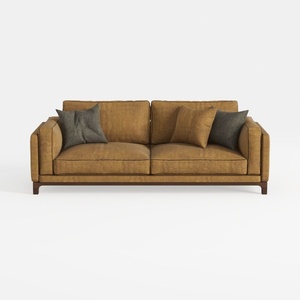

Minimalist Fabric Upholstered 2 Seater Sofa with Throw Pillows 3D Model
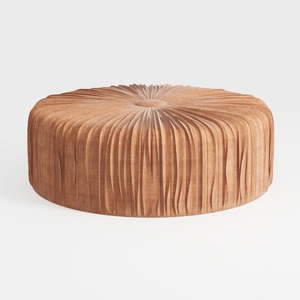
Minimalist Round Tufted Fabric Ottoman 3D Model
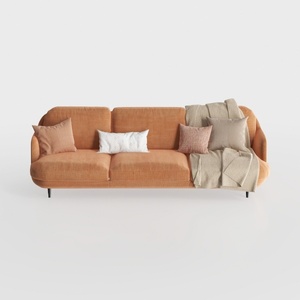
Modern Minimalist Orange Fabric Three Seater Sofa With Throw Pillows 3D Model
If you're looking to transform your home design ideas into reality, look no further than Homestyler! This user-friendly online platform offers a powerful design tool, stunning 3D renderings, extensive design projects, and helpful video tutorials, making home design easy and inspiring for everyone.
Progetta ora GRATIS
































