


I create prayer rooms that evoke a sense of timelessness, tranquility, and grounding—places where entering feels like an invitation to breathe deeply. A Devara room transcends mere space for idols and incense; it becomes an environment conducive to daily rituals. By carefully calibrating lighting, sound, materials, and spatial proportions, I ensure that the room nurtures introspection without a feeling of severity. To facilitate this, I recommend using Homestyler to visualize your design options.
Lighting is my primary consideration. The WELL v2 Light concept advises us to support natural circadian rhythms with appropriate light levels while minimizing glare; for general activities, maintaining a high-quality ambient light between 300–500 lux is essential, complemented by warmer accent lighting around 2700–3000K near the deity wall. This balance fosters a gentle ambiance while still allowing for detailed observation. Consistent vertical illumination is key to reducing eye strain and enhancing concentration. For practical tasks like cleaning or reading scriptures, targeted lighting should reach 500–750 lux but be adjustable to allow a return to a meditative environment.
Even in sacred spaces, the importance of ergonomics and posture cannot be overlooked. Research from Steelcase indicates that varying postures can enhance comfort and overall wellbeing—a principle that aligns with traditional prayer practices that involve sitting, standing, and kneeling. For my designs, I set seating heights between 420–460mm for stools or benches while ensuring a minimum knee clearance of 600mm for lower seating options. When opting for floor seating, I utilize supportive textiles alongside a firm underlay; a layered area rug approach helps maintain joint alignment and encourages stable breathing positions.
Establishing the Spatial Hierarchy
A well-designed Devara room must feature a distinct focal point—typically the centerline of the deity wall, a harmonized altar height, and symmetrical surrounding elements. I aim for altar surfaces to be positioned between 900mm to 1050mm high to prevent back strain when placing offerings, with at least 900mm of clearance in front for kneeling or standing practices. Adequate yet discreet storage for items like incense, lamps, and prayer books should be easily accessible but well-concealed, with drawers positioned at 700–800mm high for comfortable access during repetitive tasks.
Color Psychology for Calm and Reverence
The colors chosen for the design can greatly affect behavior. Warm neutrals, earthy taupes, and muted reds convey safety and devotion without overwhelming the senses. Rich blues and deep greens promote contemplation but may feel too cool if overused—thus I blend these shades with warm metallic accents, like antique brass. Insights from Verywell Mind on color psychology suggest that reds can provide energizing effects, whereas blues can instill calmness; in a Devara room, I prefer to accent saturated reds sparingly (for instance, in decorative motifs), while allowing the primary color scheme to remain soft and harmonious.
Lighting Layers and Glare Control
My lighting design integrates three layers: ambient (via indirect cove lighting or ceiling washes), task (using adjustable lamps for reading), and accent (with focused lighting around icons and idols). Managing glare is crucial for maintaining serenity. Following IES recommendations, I ensure light sources are shielded and strategically positioned, with accent lights aimed at a 30–45° angle to minimize reflections on shiny idols. Dimmable features ranging from 10% to 100% allow users to transition from brighter ritual settings to quieter reflective moments. If you favor oil lamps, it’s important to keep any electrical accent lights soothingly soft to harmonize the ambiance.
Acoustics, Quiet Technology, and Ritual Rhythm
Sound plays a pivotal role in maintaining attention within the space. I incorporate soft boundaries using fabric panels, rugs, and wooden elements to reduce reverberation. In smaller living environments, solid-core doors and sealed perimeters help mitigate noise transfer. When bells or conches are part of the rituals, I avoid large, hard surfaces that might amplify sudden noise; instead, perforated wood panels can help envelop the space warmly and manage echoes. Any speakers used should operate at low volumes and be positioned to minimize sound spill to adjacent areas.
Materials and Sustainability
Utilizing natural materials is essential for the sustainable longevity of sacred spaces. Solid wood options like teak, oak, or ash provide both stability and a tactile warmth, while resilient natural stones such as honed marble are ideal for use around oil lamps. It is imperative to avoid high-VOC finishes; low-sheen oils and water-based lacquers keep glare to a minimum. Proper trays and non-flammable surrounds are necessary for candles and oil lamps. When incorporating metals, brushed brass or bronze offers a contemplative glow without reflective properties that may distract.
Spatial Ratios and Visual Balance
In design, composition is critical. I recommend a color palette divided as follows: 60% calm base, 30% mid-tones for accents, and 10% rich detailing. Creating symmetry around the altar helps stabilize the viewer’s eye, while a vertical rhythm—comprising the plinth, altar surface, icon niche, and canopy line—instills a sense of hierarchy. To maintain clarity of sightlines, it is important to conceal wiring, employ push-latch doors, and design incense holders that allow ash trays to remain hidden from direct view.
Storage, Safety, and Ritual Workflow
An organized ritual experience benefits from well-planned essentials. Heat-resistant surfaces next to lamps, drawers for storing matchboxes and wicks, along with a dedicated tray system for offerings, help prevent clutter. I advocate for concealed ventilation or a discreet, quiet exhaust near incense areas to keep air fresh. Electrical outlets should be positioned away from flame zones, and cable pathways need to be hidden yet accessible when maintenance is required.
Planning Your Layout
When laying out the room, it's wise to assess circulation patterns and sightlines prior to construction. A compact prayer nook can effectively function with an altar zone spanning 1200–1500mm wide and a clear approach of 900–1200mm. In multifunctional spaces, employing a sliding screen or lattice allows for separation without obstructing airflow or light. To explore various possibilities and fine-tune proportions, a layout simulation tool, such as Homestyler, can effectively aid in visualizing altar placement, seating arrangements, and storage solutions.
2024–2025 Design Notes for Home Sanctuaries
Current design trends emphasize minimal ornamentation, integrated adjustable LED lighting, and textured wall finishes. I observe a shift among clients away from glossy laminates toward materials like limewash, clay paints, and matte finishes in woods. Incorporating invisible hardware, micro-canopies above icons, and modular storage allow for a streamlined Devara space that feels customized without extensive carpentry.
Placement and Orientation
Traditionally, orientation plays a significant role; for those who prefer east-facing prayer, it is crucial to ensure that morning sunlight does not create glare. Utilizing sheer blinds or diffusers can help maintain a balanced luminance. For west-facing spaces, soft evening light complements warm dim-to-warm fixtures, creating an inviting ritual environment.
Maintenance and Longevity
Design should cater to ease of upkeep: removable trays for lamp residue, washable rug layers, and lighting drivers that are easily accessible support long-lasting use. Stone surfaces with eased edges resist chipping, and lacquered interiors with a slightly textured finish can cleverly disguise minor soot marks.
In terms of lighting and occupant wellbeing, the WELL v2 Light concept serves as a valuable resource regarding circadian-friendly illumination and glare management. Ergonomic considerations regarding posture variation are inspired by research conducted by Steelcase, which I thoughtfully adapt to accommodate the needs of seated and kneeling rituals.
FAQ
Q1: What are the ideal light levels for a Devara room?
A: Aim for ambient lighting at 300–500 lux, task lighting at 500–750 lux for activities such as reading or cleaning, and gentle accent lighting around 2700–3000K near the deity wall. Ensure that all lighting options are dimmable to accommodate both ritual and reflective modes.
Q2: How can I minimize glare on polished idols or metallic decor?
A: Opt for shielded fixtures with 30–45° aiming angles to prevent light from hitting directly where it can be seen, and favor brushed finishes over high-polished alternatives to reduce specular reflections.
Q3: Which colors create the most serene sacred atmosphere?
A: A soothing blend of warm neutrals and muted earth tones serves as a calming foundation. Utilize deep reds or golds sparingly as accents. While blues and greens promote tranquility, balancing them with warmer metals or woods helps prevent uncomfortable coolness.
Q4: How large should an altar and its surrounding clearance be?
A: Altar surfaces should remain between 900–1050mm high for comfortable postures, accompanied by at least 900mm of open space in front for kneeling or standing. For compact areas, a width of 1200–1500mm for the altar is typically effective.
Q5: What materials are safest to use around oil lamps and incense?
A: Select non-combustible surrounds such as stone or metal trays; utilize honed surfaces and low-VOC matte finishes. Keep electrical outlets distanced from flame areas while planning for concealed ventilation to manage smoke outputs.
Q6: Can I include seating without overcrowding the space?
A: Absolutely—consider a slim bench between 420–460mm high or layered floor cushions supported by firm underlays. Design available storage beneath the bench to accommodate prayer books and offerings, ensuring the space remains tidy.
Q7: How should I manage sound in a small apartment prayer room?
A: To improve acoustics, introduce soft materials like rugs and fabric panels, install solid-core doors, and consider perforated wood elements to soften high-frequency sounds. If using speakers, keep the volume low and position them to avoid sound spillage into other rooms.
Q8: What is the best way to experiment with different layout options?
A: Test various circulation paths, sightlines, and altar visibility using a room planning visualization tool. Assess the appropriate clearances and lighting placements before finalizing any structural elements. For assistance, consider using Homestyler for efficient layout iterations.
Q9: How should I orient the room to sunlight?
A: If your prayers face east, utilize sheer fabrics to diffuse morning light and minimize glare. For west-facing rooms, pair dim-to-warm LEDs with the softer evening light to ensure balanced illumination.
Q10: Are there sustainable materials that also maintain a traditional feel?
A: Yes, opt for FSC-certified woods, low-VOC finishes, and natural textiles. Additionally, brushed brass or bronze provides a classic warmth while minimizing glare compared to high-polish metals.
Q11: What setup for incense or lamps can minimize residue?
A: Utilize ash trays with elevated grates, position oil lamps on removable metal-lined trays, and incorporate a subtle exhaust or passive vent close to the ritual area for effective smoke management.
Q12: How can I maintain a visually serene space despite everyday use?
A: Conceal storage areas, organize cables discreetly, utilize push-latch doors, and adhere to a balanced 60–30–10 palette. Keeping ritual items grouped on trays allows for a quick and tidy reset after use.
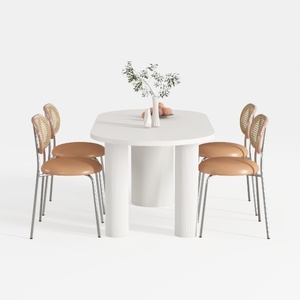
DUOMAY Modern Boucle Dining Chairs Set of 2,
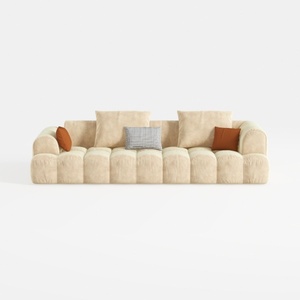

Minimalist Fabric Large Sofa With Decorative Throw Pillows 3D Model
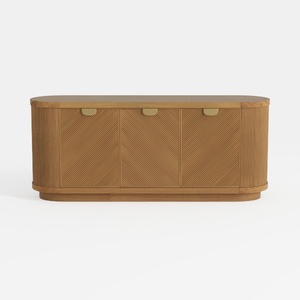
Modern Minimalist Solid Wood Fluted Sideboard with Brass Accents 3D Model
Homestyler is your go-to online platform for home design. With a user-friendly design tool, stunning 3D renderings, and a treasure trove of design projects and DIY video tutorials, bringing your dream home to life has never been easier or more inspiring!
今すぐ无料でデザイン
































