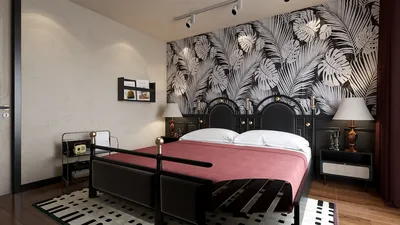


Designing a recording studio floor plan in a compact space may appear challenging, yet with careful strategy and innovative approaches, you can craft a soundproof sanctuary that nurtures creativity and enhances productivity. The main focus should be on functionality, making sure that every inch is utilized efficiently. Here’s a guide on how to develop a recording studio that optimally uses your area while maintaining excellent sound quality, with the help of tools like Homestyler.
Evaluating Your Space
Before you begin the design process, it’s essential to evaluate the distinct requirements of your recording studio. Take into account soundproofing, layout considerations, equipment arrangement, and workflow effectiveness. By outlining these components, you will set a clear direction for your overall design.
Fundamental Components of Studio Design
An effective recording studio should feature several key areas, including:
Maximizing Your Space
As you create your floor plan, keep these tips in mind to make the most of your limited area:
Selecting Suitable Materials
Choosing the right materials is crucial in a recording studio. Go for sound-absorbing options like acoustic panels, carpets, and curtains to decrease echo and improve sound fidelity. Additionally, consider resilient flooring that can endure heavy equipment and foot traffic.
Setting the Mood with Lighting
Lighting is pivotal in cultivating a creative atmosphere. Implement adjustable lighting systems that can be modified for brightness based on your needs. Incorporating natural light is also advantageous, so position studio windows strategically to usher in daylight while preserving sound insulation.
Adding Final Touches
Incorporating personal elements into your studio can spark creativity. Think about adding art, plants, or significant memorabilia that reflects your musical journey. A carefully curated environment can substantially enhance your recording experience.
Common Questions
Q: What is the ideal size for a home recording studio? A: A home recording studio can be effectively developed in as little as 100 square feet, but aiming for 200-300 square feet is preferable to comfortably fit essential zones.
Q: How can I economically soundproof my studio? A: Employ DIY approaches such as increasing wall mass with heavy curtains or blankets, sealing gaps around doors and windows, and laying rugs to minimize sound reflection.
Q: What equipment is essential for a home recording studio? A: Key equipment should include a computer, audio interface, microphones, headphones, and studio monitors.
Explore the Leading Floor Planning Tool
Zaprojektuj teraz za darmo
































