

I have designed numerous living rooms where clients desired the tranquility of greenery without the maintenance involved. Artificial flower pots can be remarkably beautiful—and quite convincingly realistic—when factors like scale, color, light, and texture are properly addressed. In fact, a thoughtfully arranged display can enhance the atmosphere and perceived spaciousness of a room while eliminating the need for watering.
Two key insights inform my approach to designing with faux plants. The first is that color impacts emotions: research highlighted by Verywell Mind illustrates that shades of green promote calmness and rejuvenation, while soft blue tones can alleviate stress and enhance focus. The second insight involves lighting: the Illuminating Engineering Society (IES) suggests aiming for around 100–300 lux in living rooms, which aids in making artificial greenery appear lifelike without exposing seams or plastic shine under bright lighting. In work-adjacent areas or study nooks, I aim for the higher end of that spectrum for clarity, using warmer lamps to maintain a cozy ambiance. For further guidance, refer to IES lighting practices and color psychology findings at Verywell Mind.
Key Design Principles for Lifelike Artificial Flower Arrangements
My guiding principle is the 60/30/10 rule: allocate 60% for the foliage (greens), 30% for blossoms, and 10% for accent textures (like seed pods and grasses). This ratio emulates natural growth patterns, ensuring that arrangements do not seem overly staged. Ideally, use two to three varieties of blooms at most, vary stem heights by 1–3 inches, and group in odd numbers to create an organic flow. Large arrangements should be placed where the eye naturally lands—such as end tables, centerpieces on consoles, or one-third the way across a mantel—while smaller pots can be distributed to weave the color theme throughout the room.
Illuminate to Refresh the Look of Faux Plants
The direction and temperature of lighting are crucial for creating the illusion of freshness. Aim for a layered lighting effect: a warm 2700–3000K table lamp illuminating the arrangement from the side to cast gentle shadows, a dimmable floor lamp placed behind seating for a backlight effect, and balanced natural light. Avoid glare that can flatten texture; diffuse it by using sheer drapes or a paper shade. Maintain living areas around 100–300 lux per IES guidelines; if your faux flowers have a shiny appearance, lean towards 100–150 lux and avoid direct downlights that will highlight plastic reflections. Matte leaves and fabric-covered options hold up better under brighter lights without showy materials.
Utilizing Color Psychology: Achieve Harmony or Contrast
The choice of colors depends on your palette and the emotional environment you wish to create. Greens along with muted blues tend to foster relaxation—an excellent choice for media and reading areas. Warmer whites, blush hues, and soft apricot flowers can add a gentle touch to cooler gray rooms while preserving the contemporary aesthetic. If energy is what your living room needs, consider incorporating controlled contrast with terracotta, marigold, or coral at strategic points to keep visual noise low. Insights from Verywell Mind regarding color effects can guide these decisions, particularly in balancing tranquility and vibrancy in multifunctional areas.
Addressing Proportion, Scale, and Sightlines
When choosing pots, scale them according to the furniture mass rather than just the tabletop. For a side table beside a 72–84 inch sofa, a 10–14 inch arrangement will comfortably sit below eye level for those seated, keeping sightlines clear to the television and conversational partners. For console tables, I prefer a 1:3 visual ratio: one prominent pot complemented by two smaller elements (like a bowl or book stack). If you're experimenting with positions across various layouts, a layout simulation tool like Homestyler can assist in mapping sightlines and avoiding obstructions.
Achieving Material Realism: What Looks Most Authentic
Not all faux options are equal in appearance. Silk or blends with softly frayed petals work best for roses, peonies, and ranunculus. When it comes to leaves, opt for velvety EVA foam or fabric-backed polyurethane rather than shiny plastics. Stems with wired cores allow for natural bends. Always hide stem ends with preserved moss, fine gravel, or soil toppers to eliminate the common tell-tale hollow appearance. Choosing ceramic with a matte finish or textured stoneware can elevate even budget-friendly stems; avoid glossy pots under bright lighting, as they can enhance the artificial look.
Curating Compositions Based on Living Room Style
Select a single species—such as orchids or white hydrangeas—in a low elliptical matte ceramic pot. Keep the design low and horizontal to align with low-profile sofas. Limit the color scheme to green and white for a peaceful, gallery-like ambiance.
Consider incorporating soft eucalyptus, waxflower stems, and petite white ranunculus in a light speckled stoneware pot. Add a linen-wrapped lampshade nearby at 2700K to enhance the overall texture.
A combination of trailing faux pothos mixed with dried-look bunny tails and subdued terracotta marigolds can add an appealing touch. Use a woven basket liner with a hidden insert to maintain structure and conceal foam. Placing this arrangement near a rattan chair will create a lovely interaction of textures.
A classic blue-and-white ceramic ginger jar filled with faux magnolia stems and deep green leaves should stand at 18–24 inches height on a console, framing a mirror without obstructing the reflection.
Strategic Placement for Flow and Functionality
Establish a significant arrangement as a focal point—on a mantel or media console—and replicate it in two or three additional areas: perhaps a stack of design books on the coffee table, a pedestal in a corner, or the windowsill. Always leave a clearance of 24–36 inches along circulation paths to prevent petals from snagging clothing. For entry paths, choose compact designs with rounded pots to minimize risk of impact. In homes with pets or children, opting for sturdy planters (such as stone or concrete composites) can enhance stability.
Creating Acoustic and Sensory Comfort
While faux botanicals won’t absorb sound like heavier textiles, combining them with soft elements—like wool throws, heavy drapes, or textured rugs—can diminish reverberation and foster warm conversations. Position arrangements away from speaker direct paths to prevent minor rattling from rigid ceramic surfaces at higher volumes.
Maintenance Tips to Preserve the Illusion
Dust is the biggest giveaway of faux plants. Use a feather duster weekly and conduct a thorough cleaning monthly with a mix of 50/50 water and isopropyl alcohol for silk/poly blends. For EVA leaves, a microfiber cloth is a safer option. Rotate arrangements every few months to adjust exposure to light and prevent uneven fading. Additionally, update or refresh accent blooms seasonally to keep the room looking lively without having to purchase new pots.
Seasonal Changes Without New Purchases
In the spring, consider arrangements of ranunculus, anemones, and soft eucalyptus in gentle pastel colors. For summer, look to hydrangeas, peonies, or chamomile accompanied by airy grass plumes. In autumn, opt for rust-colored mums, faux branches, and dried seed pods presented in matte terracotta. During winter, arrange amaryllis or white hellebore with deep green magnolia leaves in charcoal stoneware. Maintain constant base foliage while simply swapping seasonal heads to manage costs effectively.
Sustainability and Material Selections
Although faux flowers are synthetic, you can lessen environmental impact by choosing durable stems and utilizing natural pots—such as ceramic, reclaimed wood bases, or recycled glass. Seek arrangements with interchangeable heads, allowing the pot and base greenery to remain functional for extended periods. Whenever possible, select vendors that offer petals made from recycled polyester to contribute to sustainability.
Quick Styling Formulas
Frequently Asked Questions
Aim for a pot diameter that is approximately one-third the width of the surface it will be placed on. For a 20-inch side table, a 6–8 inch pot will feel well-grounded without appearing overly bulky. Ensure the total arrangement height remains below seated eye level to avoid interrupting conversations.
Utilize warm lighting in the range of 2700–3000K with gentle diffusion. Follow IES guidelines for maintaining 100–300 lux in living rooms; if the flowers are shiny, stick closer to 100–150 lux to prevent any plastic glare. Side lighting provides more convincing texture than overhead spots.
Green and muted blue tones are associated with tranquility and rejuvenation, while soft whites and blush contribute warmth without causing overstimulation—all of which aligns with color psychology findings presented by Verywell Mind.
Opt for matte or fabric-backed leaves, avoiding direct downlighting, and incorporate a light layer of preserved moss at the base to diminish contrasts that highlight glossiness.
Weekly feather dusting combined with a monthly misting of a 50/50 water and isopropyl alcohol mixture for silk/poly blends is recommended. For EVA or PU leaves, a slightly damp microfiber cloth is more effective than sprays.
Certainly! Place real plants in brighter areas while incorporating faux in spaces with inconsistent lighting. Match leaf species between real and faux plants for visual continuity—for example, using faux olive branches alongside a real ficus nearby.
Establish a single focal arrangement and sprinkle two or three smaller echoes around the room. Make sure to respect 24–36 inch clearances for smooth circulation. Using an interior layout planner like Homestyler can assist in assessing viewpoints from the sofa and entry.
Opt for materials like matte ceramic, textured stoneware, honed concrete composites, and recycled glass. These materials perform well under warm lighting and add substantiality, enhancing the visual appeal of taller stems.
Keeping it to two to three species along with filler greens is a good guideline. Any more can overwhelm smaller living rooms and disrupt natural patterns.
Minimal impact! For softer rooms, pair arrangements with fabric-heavy elements—such as drapes, rugs, and upholstered furniture—to minimize echo and improve conversational comfort.
Quarterly rotation is beneficial. Change accent blooms seasonally while maintaining a stable base of foliage for visual continuity and cost efficiency.
Employ heavy-base planters and ensure trailing elements are positioned above pet height. Select non-toxic materials and secure toppers to prevent pets from ingesting moss or gravel.
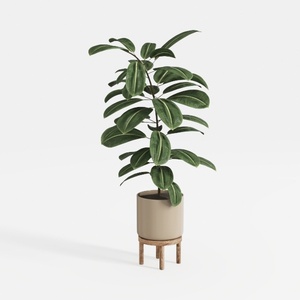

Costa Farms Snake Plant, Live Indoor and Outdoor
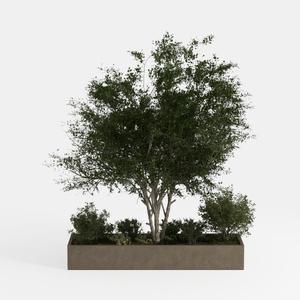
24” Tall 20" Diameter Artificial Plant Topiary Box

Ceramic Vase, 5.8 Inch Terracotta Vase with
Homestyler is an outstanding online home design platform that allows you to effortlessly create stunning interiors. With its user-friendly design tool, impressive 3D rendering, and a wealth of DIY video tutorials, you can bring your home decor vision to life with confidence and creativity.
Design Now for FREE
































