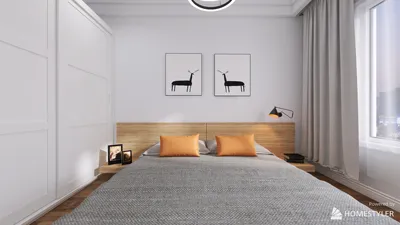


Understanding ceiling height profoundly impacts the ambiance and functionality of a room—often more than clients may suspect. Whether you are dealing with an 8-foot ceiling in an apartment, a suburban home with heights between 9 to 10 feet, or an expansive loft reaching 12 feet or more, strategic design choices can transform limitations into unique charm. Effective design in this context transcends mere aesthetics; it harmonizes sightlines, lighting, ergonomics, and acoustics into a unified experience. Utilizing tools like Homestyler can help visualize these transformations effectively.
Two crucial data points inform many of my design decisions. The WELL v2 standard advises that most regularly used spaces should achieve average lighting levels between 300 and 500 lux, adjusting task lighting closer to 500 lux based on specific functions. Hence, ceiling height plays a vital role in how to layer ambient and task lighting to meet these standards without causing glare (source: WELL v2 L08–L09, wellcertified.com). Moreover, research by Steelcase indicates that visual and environmental comfort has a direct correlation with cognitive performance and subjective well-being; spaces that mitigate visual stress and enhance focus typically rank higher in user satisfaction and effectiveness (source: Steelcase research, steelcase.com/research). Adequate attention to light distribution and visual comfort becomes essential, regardless of ceiling height.
Another standard I closely follow is from the Illuminating Engineering Society (IES), which presents recommended practices aimed at ensuring uniformity and glare reduction. This becomes increasingly complex with taller ceilings and highly reflective surfaces (ies.org/standards). Combining these principles with practical mock-ups and accurate lux readings can help avoid costly adjustments later. Thus, ceiling height should not be regarded solely as a limitation; instead, it presents a design variable that can be leveraged for strength through precise ratios, optics, and material choices.
Reading the Room: Proportion, Rhythm, and Human Factors
The height of the ceiling alters the spatial rhythm of a room. In spaces with lower ceilings (around 8 feet), horizontal lines provide visual calmness and create an illusion of width; conversely, in taller rooms (greater than 10 feet), vertically oriented designs help counteract visual vacuums and establish a sense of scale. Typically, I strive for a wall height-to-room length ratio of 1:2.5 to 1:3 in living areas to ensure balance; in more elevated ceilings, I visually 'lower' the perceived ceiling by installing a lighting feature or adding mid-height details like picture rails or continuous shelving.
Considering human factors is crucial: ensure vertical clearances over seating areas are consistent. For dining spaces, hanging pendants at a distance of 28 to 34 inches from the tabletop feels most comfortable for most adults. When designing circulation spaces, fixtures should not fall below 80 inches from the finished floor in standard-height homes. In areas with loftier ceilings, it is wise to consider the acoustic implications and upkeep of fixtures that require regular changes or cleaning; I recommend opting for long-lasting LEDs and downlights with easily accessible drivers.
Low Ceilings (≈8 ft): Techniques that Add Breathing Room.
- Opt for low-profile, high-output ambient lighting solutions: shallow recessed fixtures with wide beam angles or slim surface mounts. Layer task lighting to achieve 400–600 lux in reading spaces and kitchens to adhere to WELL/IES guidelines without visually lowering the ceiling plane.
- Establish horizontal continuity: continuous drapery tracks positioned just below the ceiling line elongate the walls. Wall-to-wall shelving or a long headboard panel effectively expands the visual space of compact bedrooms.
- Consider color psychology: lighter wall colors with low chromatic depth and a slight warm undertone (LRV 60-75) keep the space bright and inviting; insights from Verywell Mind suggest that warm neutrals alleviate stress and enhance comfort. Utilize deeper colors for lower portions of walls (wainscoting) to anchor the area without reducing overall height perception.
- Minimize or exclude crown molding; use thin shadow reveals to create a clean edge. Ensure doors and windows maximize height within trim limits to draw the eye upward.
- Select low-profile furniture: couches at 28–30 inches in height, beds with low headboards, and credenzas between 26–30 inches help maintain an unobstructed skyline.
If planning your furniture layout and flow in tight spaces, utilizing a room layout tool, such as Homestyler, can assist in visualizing clearances and vertical emphasis before making decisions on built-ins.
Standard Ceilings (9–10 ft): The Sweet Spot for Layering.
With ceilings at 9 to 10 feet, layering between ambient, accent, and decorative lighting is feasible without feeling cramped. Target ambient lighting at 200–300 lux in living spaces, apply 300–500 lux for task areas like islands and desks, and incorporate wall grazers to soften surfaces. A shallow coffer or a drop of 4-6 inches in dining or seating areas helps define spaces without compromising volume.
Millwork can extend to heights of 8–8.5 feet for appealing proportions, leaving an airy band above. If color is a preference, this height is ideal for showcasing tonal contrasts: medium walls coupled with a lighter ceiling can enhance spaciousness without appearing sterile. For managing acoustics in open-plan areas, consider implementing micro-perforated panels or textile art along primary reflection walls; at this height, sound reverberation can still be pronounced, particularly on hard flooring.
Tall Ceilings (11–14 ft+): Taming the Void.
Tall ceilings invite an element of drama but require grounding. I often 'tier' the height: by creating a functional lower level (with lighting, artwork, or operable windows) and a secondary upper level for uplighting or clerestory windows. Here are some effective strategies:
- Lower a lighting canopy or utilize a linear pendant setup to 9-10 feet over active areas for precision in task lighting and glare control; maintain beam angles of 30–45° to avoid overly bright spots at high angles.
- Implement vertical rhythm: utilizing tall bookcases, pilasters, or fabric panels at two-thirds height. Art pieces hung higher than typical may work, but ensure a consistent midpoint line throughout the room.
- Acoustic considerations: high ceilings can amplify echoes. Integrate absorptive treatments covering around 15–25% of wall and ceiling surfaces in lively spaces using felt baffles, acoustic plasters, or framed textiles. Make sure treatments are positioned at first reflection points, opposite large glass surfaces.
- Acknowledge temperature stratification, a real consideration in tall rooms; incorporating slow, quiet ceiling fans or high return vents can prevent warm air pooling at the ceiling and cold air settling by the floor.
Lighting Design by Height: Lux, Contrast, and Glare.
Ceiling height dictates light diffusion patterns. In lower ceilings, shallow downlights may lead to scalloping and glare; opting for wide beam angles (60–90°) combined with indirect sources (such as cove or wall-wash lighting) can mitigate this. In taller spaces, narrow beams (20–40°) direct light effectively onto task areas with minimal spill, while perimeter wall-wash fixtures help restore overall brightness balance. Aim for contrast ratios of approximately 1:3 to 1:5 between task and ambient lighting to counteract fatigue—an approach supported by research linking visual comfort to enhanced performance (Steelcase research). Always implement dimming and zoning strategies. Task lighting at desks or reading areas should target around 500 lux at the surface, while ambient lighting can be set lower, provided contrast is well managed.
Color and Material: Shaping Perception Across Heights.
The color choices can significantly affect the perception of height. Lower ceilings benefit from lighter shades above combined with slightly darker walls to create an upward lift. Conversely, higher ceilings can gain a sense of coziness from middle-tone or even darker colors overhead. Insights from Verywell Mind indicate that blue and green tones often induce calmness, while warmer colors foster a social atmosphere—use these insights to modify the perceived closeness of the ceiling based on the room's intended use.
Regarding materials, high-gloss surfaces can reflect light but may heighten glare levels; opting for matte or eggshell finishes results in a softer luminance. In elevated spaces, incorporating wood slats or fabric-wrapped panels adds warmth and absorbs mid-high frequency sounds. In kitchens and bathrooms, follow NKBA guidelines for cleaning and splashes, while tempering with acoustic materials or curtains wherever possible to diminish echo-prone surfaces.
Ergonomics and Daily Life: Where Ceiling Height Meets Behavior.
Ceiling height subtly influences posture and usage patterns. Lower ceilings tend to favor intimate seating arrangements and lower surfaces, while higher ceilings often accommodate standing gatherings and vertical storage solutions. Ensure the following:
- Maintain clear heights for pendants: 28-34 inches above dining tables; 30-36 inches above islands, adjusting for the fixture's size and line of sight.
- For storage, top shelves should be set at 72-78 inches for frequently accessed items; reserve 84-96 inches for less used items requiring a step stool.
- Ensure circulation widths are a minimum of 36-42 inches in living areas; more space is needed in kitchens adjacent to islands.
Habit cues can also play a significant role: tall artwork and plants in lower rooms encourage upward gazing, while in higher spaces, sconces placed at 66-70 inches height can draw focus downward, aligning with human scale.
Acoustic Comfort: Keeping Conversations Clear.
Room height significantly influences reverberation time (RT60). Generally, lower spaces filled with soft furnishings are more conducive to comfort, whereas tall, hard surfaces often require assistance. Incorporate absorptive elements including rugs with dense underlayment, fabric seating, lined drapery, and ceiling baffles if echoes continue to be an issue. For multi-functional areas, consider using movable acoustic screens behind furniture or near audio sources to localize sound without the need for major renovations.
Layout Moves that Respect the Ceiling.
- In lower rooms, position furniture away from walls to create a sense of space; utilize long consoles behind sofas to elongate the horizontal layout.
- In standard-height rooms, create zones using partial-height open shelving to maintain volume while guiding flow.
- In tall spaces, cluster seating under a defined lighting canopy; this strategy re-centers social interaction and avoids the 'lobby' atmosphere. For testing arrangements, employing an interior layout planner like Homestyler can simulate sightlines and fixture locations before installation.
Case Notes: Three Fast Transformations.
- In an 8-foot condo living room: we removed the heavy crown molding, added a 3/4-height wall panel in warm oak, and utilized a dimmable track at 2700K-3000K with wall-wash lenses. The outcome was a taller sense of space, warmer evenings, and fewer glare issues due to wider beam angles.
- In a 10-foot family room: introduced a 6-inch shallow coffer with perimeter LED cove lighting and a mid-tone ceiling paint. The mill work rose to 8.25 feet, resulting in improved zoning for reading and play areas; RT60 was decreased using two textile panels.
- In a 13-foot loft: we suspended a 10-foot lighting grid over the seating area with precise narrow-beam spots and placed a wool area rug over acoustic underlayment. Felt baffles were added near the kitchen wall. The outcomes included clearer conversations, and temperature stratification was mitigated with a slow-paced ceiling fan.
Maintenance, Sustainability, and Longevity.
In rooms with tall ceilings, it’s advisable to choose long-life, high-efficacy LED lights (90+ CRI where color rendering is vital) equipped with remote drivers and accessible service. In all room types, opt for durable matte finishes on ceilings to minimize the need for frequent touch-ups. Sustainable choices—like FSC-certified wood accents, low-VOC paints, and recycled-content acoustic materials—help lower environmental impact and tend to age more gracefully. Maintain flexibility in dimming and zoning options; your future self will appreciate these considerations as the space adapts to different functions or furniture arrangements.
FAQ.
Generally, fixtures should hang 28–34 inches from the tabletop to their lowest point. Larger fixtures tend to lean towards the higher end; testing from a seated eye level can help prevent glare.
Use a lighter matte finish in the same color family as the walls—often one to two shades lighter—to help lift the ceiling plane. Ensure walls are slightly darker to create contrast.
Yes, tighter beam control and higher light output are necessary to effectively illuminate task areas without causing glare. Combining narrow-beam downlights and perimeter wall-washlights with task lamps featuring dimming options can achieve optimal results.
Add absorptive features, such as rugs with thick underlayment, fabric seating, lined curtains, and acoustic treatments like ceiling baffles or plaster. Focus on first reflection points opposite expansive glass surfaces.
Dark ceilings can create an intimate environment if balanced with plenty of vertical light; using lighter walls can enhance this effect, particularly in bedrooms and dining areas.
Aim for approximately 500 lux of illumination at the reading surface utilizing adjustable task lighting. Keep ambient lighting lower, avoiding harsh contrasts through the use of diffused light sources.
Running cabinets up to 8–8.5 feet allows for a balanced look, leaving space above. This area can be used in a lighter wall color or with a shallow cove detail.
Yes, efficient fans can help alleviate temperature differences and enhance comfort without requiring excessive air conditioning.
For living and dining spaces, aim for a temperature of 2700K–3000K for warmth; for kitchens and work areas, consider 3000K–3500K. Careful mixing helps prevent uneven color rendering.
Low-profile track lighting with adjustable heads can work effectively—especially with wall-wash optics that illuminate vertical surfaces without lowering the perceived ceiling height.
In low-ceiling spaces, choose low-profile furnishings; for high rooms, use taller vertical elements to balance proportion. Utilizing a layout simulation tool like Homestyler before purchasing can clarify clearances and sightlines.
Glossy finishes can reflect light but increase glare; opting for matte or eggshell finishes typically yields a more pleasant lighting balance.
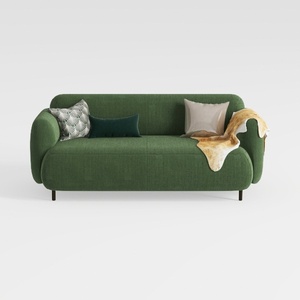

Minimalist Dark Green Fabric Loveseat Sofa with Decorative Pillows 3D Model
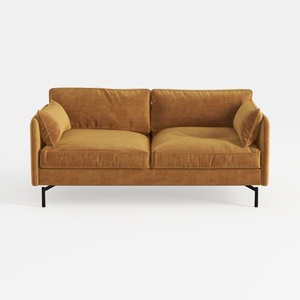
Modern Velvet Upholstered 2 Seater Sofa With Black Metal Legs 3D Model
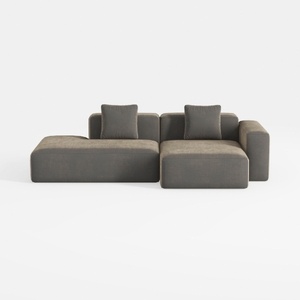
Minimalist Fabric L Shape Sectional Sofa with Throw Pillows 3D Model
Looking for an easy way to design your home? Homestyler offers a fantastic online design tool that lets you create stunning 3D renderings and explore a variety of design projects. Plus, its DIY video tutorials will inspire your creativity and guide you every step of the way!
Дизайн сейчас бесплатно
































