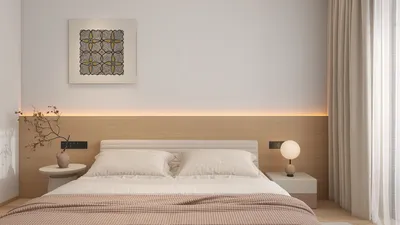


I view officers' mess function halls as versatile spaces that blend ceremonial traditions, social interactions, and operational functionality. The design should respect historical significance while accommodating modern activities—ranging from parades and dining to briefings and family celebrations—all within a single venue. The ideal solution is a sophisticated, adaptable area featuring exceptional acoustics, ergonomic comfort, and seamless technology integration, making tools like Homestyler invaluable for visualizing these designs.
Function halls achieve their purpose when attendees feel focused, at ease, and connected. According to Gensler’s U.S. Workplace Survey, effective environments strike a balance between concentration and collaboration, with employees in well-designed settings 2.3 times more likely to believe their workplace facilitates productivity (Gensler Research Institute). Steelcase highlights that offering choice and control in environments enhances engagement and well-being, particularly when there is a variety of seating options and sound management—principles that are directly applicable to mess halls where leadership speeches, formal meals, and social events require adaptable spaces.
Lighting is a critical component. The WELL v2 Light framework underscores the importance of circadian-friendly illumination and glare management, advocating for layered lighting tailored to various functions and color temperatures matching the task at hand (WELL v2). The Illuminating Engineering Society (IES) recommends target illuminance levels of around 200–300 lux for dining areas, and 300–500 lux for multipurpose spaces, while also emphasizing the importance of glare ratings for user comfort (IES standards). These guidelines are essential in creating a lighting hierarchy within the hall—from elegant ambient lighting to bright task lighting during significant events.
Design Vision: A Modern Homage to Legacy
I emphasize a serene and dignified color palette that pays homage to regimental heritage without becoming over-themed. Visualize rich navy, deep red, and brass accents complemented by warm neutrals and oak; incorporating subtle motifs in fabrics or custom woodwork instead of overt graphics. According to color psychology, muted blues enhance calmness and trust, while warm neutrals facilitate social interactions (VerywellMind). The materials selected should be both tactile and resilient: wool-blend carpets with acoustic backing, performance fabrics for banquettes, and sustainably sourced timber for tables and panels. Finish choices, such as eggshell to satin, minimize glare from chandeliers and other fixtures.
Spatial Layout: Designing Zones for Ceremony, Dining, and Social Interaction
Effective mess layouts adeptly manage transitions: from arrival to ceremonial honors, dining, and informal interactions. I define four key zones: a ceremonial focus area (stage or lectern with a visual backdrop), a formal dining area (adaptable tables for various seating arrangements), a lounge/social bar, and a circulation buffer to maintain clear sightlines. During the exploration of seating configurations—from long banquet setups to mixed arrangements—a layout simulation tool like Homestyler helps visualize space utilization, aisle dimensions, and compliance with capacity regulations. I ensure there are at least 1.2 m clear aisles for service and 900 mm between table edges for dignified movement.
Acoustics: Ensuring Clarity for Speeches, Comfort for Conversations
Acoustic quality is paramount. In multipurpose halls, the ideal reverberation time (RT60) should be maintained at approximately 0.8–1.2 seconds depending on room volume, balancing speech clarity with a warm sound for music. I employ a multilayered acoustic strategy: installing acoustic ceiling clouds or micro-perforated panels in the ceremonial space; using plush materials, drapes, and cushioned seating to absorb sound; and integrating wall panels tuned to the mid-frequency range for optimizing speech. A distributed sound system with directional microphones and digital signal processing ensures even audio coverage without hotspots.
Lighting Layers: From Ceremony to Dining
A three-tier lighting system facilitates various functions. Ambient lighting: dimmable chandeliers or linear coves to provide around 200–300 lux for dining. Task illumination: adjustable downlights above lecterns and dining tables for precision; track lighting can showcase honor walls or flags. Accent lighting: wall washers and focused beams highlight heritage displays and architectural features. Color temperatures transition from 3000K warm for social and dining settings to 3500–4000K neutral for briefings or award ceremonies. Glare management through baffles, louvers, and matte finishes ensures comfort throughout extended events.
Furniture and Ergonomics: Ensuring Comfort for Extended Engagements
Chairs should provide lumbar support while maintaining a formal appearance—a high-back upholstered design with resilient foam and sprung seats is ideal. Table heights of approximately 740–760 mm and at least 600 mm of knee space prevent crowding. I recommend a mix of seating types: banquettes along the walls, stackable banquet chairs for versatile capacity, and several lounge areas for casual gatherings. For effective service, side stations and support areas are strategically placed near entrances and the bar to maintain unobtrusive catering pathways.
Technology Integration: Seamless and Discreet
Contemporary mess halls require integrated audiovisual systems that maintain a sense of formality. I recess projection screens and utilize short-throw laser projectors or LED displays discreetly incorporated into millwork. Ceiling-mounted microphones in the ceremonial area and a compact control booth facilitate quick adjustments for different setups. A robust wireless network is essential; I strategically hide charging stations within tables and ensure cohesive cable management under raised flooring. Digital signage and wayfinding cues should reflect military design elements subtly, avoiding cluttered aesthetics.
Heritage Display: Curated, Respectful, and Adaptable
Display areas for regimental colors and honor walls should function as curated exhibitions rather than mere storage units. I opt for museum-quality lighting with a color rendering index (CRI) above 90 to preserve the authenticity of displayed materials. Modular display systems and customizable bases allow periodic refreshes without significant renovations. Interpretive graphics are minimal and elegantly typographic; the overall narrative unfolds through materiality and thoughtful proportions.
Bar and Lounge: The Social Hub with Acoustic Softness
The bar serves as a central social element—featuring a wooden front, brass footrail, backlit shelving for glassware, and an integrated point-of-sale system. I position the bar to minimize direct views of the ceremonial area, thereby maintaining distinct formal and informal zones. Soft furnishings—a designated rug area, upholstered seating, and sound-absorbing baffles—help reduce noise, ensuring speeches in the adjacent space remain audible and clear.
Catering and Back-of-House: Efficiency and Hygiene
Protocols for service must avoid crossing ceremonial paths. I design a dedicated staging area complete with hot and cold holding zones, a pass-through window, and handwashing stations. Flooring transitions to slip-resistant materials behind the scenes, while soft-close hardware is used on doors to minimize noise during service. Waste disposal systems and recycle bins are strategically concealed but accessible for efficient function turnover.
Color and Material Strategy: Resiliency with Elegance
Materials need to endure wear from uniforms, high heels, and event use. I combine resilient wool carpets with stain-resistant fabric blends, solid timber edges on tables, and durable upholstery. Brass will tarnish beautifully in mess settings; the patina tells a story. Where budgets permit, I introduce refined elements—like inlaid insignia on floor medallions or decorative screens echoing regimental themes—while keeping these details understated to prevent overwhelming themes.
Circulation and Capacity: Accommodating Diverse Scenarios
I choreograph movement pathways from the entrance through coat checks, pre-function areas, registration, and into the main hall. Fire egress routes and door swing dimensions must adhere to local regulations. Seating arrangements should cater to a range of needs: accommodating 120 for a formal dinner, 200 for a standing reception, mixed seating for 160 with banquet and round tables, and setups for family days with engaging activity stations. Employing an interior layout planner like Homestyler assists in testing acoustics, ensuring clear sightlines to the podium, and optimizing buffet positioning.
Sustainability and Maintenance: Thoughtful Selections
I choose LED lighting fixtures with high efficiency ratings, low-VOC finishes, and sustainably harvested wood. In climates requiring additional cooling, ceiling fans complement HVAC systems to reduce energy consumption. Furniture is designed with replaceable parts—such as seat cushions and casters—to prolong lifespan. Scheduling quarterly maintenance for audiovisual and lighting systems ensures ceremonies retain their sharpness and reliability.
2024–2025 Design Trends: Elegance, Comfort, and Subtle Technologies
Current trends lean towards warm minimalism, layered textures, and gentle curves. In mess halls, this translates into tailored upholstery, curved seating arrangements, and soft, diffused lighting. Technology remains discreet—through acoustic textiles and integrated control systems—ensuring the setting feels dignified rather than overly technical.
Practical Layout Scenarios
Scenario A: Complete Ceremony—lectern as focal point, flanking flags, with theater-style seating arranged in a gentle chevron for optimum views, center aisle measuring 1.5 m. Scenario B: Formal Dining—extended tables with a central aisle, lighting set at 250 lux, accompanied by soft background music; speeches amplified through a distributed sound system. Scenario C: Mixed Reception—round tables and high-tops adjacent to the bar, buffet positioned along the perimeter, creating conversational clusters. Each scenario benefits from pre-visualization using layout simulation tools to confirm flow and occupancy.
FAQ
For dining setups, aim for approximately 200–300 lux of ambient lighting. For ceremonies and briefings, target 300–500 lux with focal task lighting for lecterns. Minimize glare through shielding measures and matte finishes, in accordance with IES guidelines.
A reverberation time around 0.8–1.2 seconds is ideal for multipurpose functions. Combine ceiling absorptive materials, upholstered seating, and mid-frequency tuned wall panels, supplemented by distributed audio systems for optimal sound performance.
For lighting, utilize 3000K warm tones during dining and social hours, shifting to 3500–4000K neutral during ceremonial events or meetings. Ensure consistent CRI (90+) for an authentic representation of uniforms and heritage displays.
Honor regimental themes subtly through textiles, bespoke woodwork, and carefully chosen displays while maintaining sleek forms, layered lighting, and unobtrusive technology. Materials such as oak and brass pair harmoniously with contemporary upholstery.
Alternate between long banquet tables for formal dinners and flexible round setups for receptions. Ensure 1.2 m aisles for service paths, and 900 mm between tables for easy movement, while preserving sightlines to the lectern.
Incorporate recessed screens, conceal cable pathways, and centralize control points. Install ceiling microphones and distribute speakers to eliminate the need for large floor-mounted systems. Ensure reliable wireless connections with discreet charging locations.
Choose LED lights, low-VOC materials, and responsibly sourced timber. Opt for robust, repairable furniture and schedule maintenance routines for audiovisual and lighting systems to enhance longevity.
Research conducted by Gensler indicates that providing choice and flexibility is linked to increased productivity perception, while Steelcase underscores the engagement benefits in environments that allow control over posture, sound, and arrangement.
Select soft furnishings around the bar, including area rugs, sound-absorbent baffles, and carefully placed speakers. It's crucial to keep social areas away from the ceremonial backdrop to maintain clarity during announcements.
Utilize an interior layout planner to evaluate capacity, aisle widths, and sightlines. Save scenario templates—ceremonial, banquet, and reception formats—for efficient transitions.

Rattan Minimalist Oval Accent Chair with Linen Cushion 3D Model

Minimalist Solid Oak Wood Stacked Round Stool 3D Model
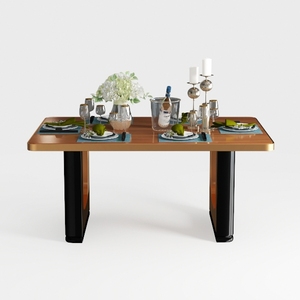
Large Luxury Office Desk, Live Edge Color River
Homestyler is an exceptional online home design platform perfect for all skill levels. Its user-friendly design tool, stunning 3D renderings, and inspiring video tutorials empower you to create beautiful spaces and explore endless design possibilities with confidence. Dive into your home makeover today!
지금 무료로 디자인하세요
































