

Having designed and configured countless multi-use halls, I've found that the most outstanding venues share a common quality: versatility. Madhav Baug Hall, for instance, can exude elegance on a Saturday night while also facilitating efficient use by Monday morning—thanks to its well-considered spatial ratios, lighting, acoustics, and overall flow. The importance of this adaptability is underscored by research from Gensler, which reveals that 89% of respondents believe exceptional space design enhances their experience and boosts productivity. Therefore, getting the layout, lighting, and comfort right is not merely a luxury; it is essential for creating memorable events. Furthermore, the WELL v2 standard emphasizes that suitable illumination and glare reduction play critical roles in minimizing visual fatigue, thereby enhancing attendee satisfaction during extended sessions. Incorporating tools like Homestyler can aid immensely in achieving these design goals.
When conceptualizing a hall for mixed use, I prioritize establishing measurable objectives. The Illuminating Engineering Society (IES) suggests a lighting level of 300–500 lux for general multi-purpose areas, with specific tasks demanding 500–750 lux, and color temperatures around 3000–3500K for a welcoming hospitality feel or 4000K for clarity in conferences. Steelcase's research indicates that allowing posture variation and including movement zones can significantly enhance engagement and minimize fatigue during lengthy events; thus, factors such as seating arrangements and aisle dimensions are just as critical as the backdrop for the stage. With these quantifiable standards, Madhav Baug Hall can seamlessly host weddings, seminars, product unveilings, and cultural performances without compromising on functionality.
Core Spatial Strategy: Transforming One Space into Threes
Instead of viewing the area as a single vast room, consider it in zones. A versatile stage equipped with removable risers, a defined back-of-house service lane, and two peripheral utility spines (for power and data) enable a swift transition from banquet style to theater seating. I generally advise a spatial ratio of 60/30/10: where 60% of the area is dedicated to the main program, 30% for circulation and services, and 10% as a buffer for storage, audio-visual equipment, and green rooms. This approach helps alleviate bottlenecks as 200–300 guests move from a ceremony to dinner.
Practical Seating Configurations
Different kinds of events require specific sightlines and seating densities:
In evaluating room layouts, I utilize a digital room planning tool to simulate table arrangements, stage dimensions, and ensure safe aisle clearances prior to the actual setup: a room layout tool.
Dynamic Lighting for Diverse Events
Using layered lighting design ensures the atmosphere is appropriate while keeping camera operators satisfied. I typically include three distinct layers:
Managing glare is crucial for comfort. Aim for a Unified Glare Rating (UGR) of less than 19 in audience areas, and select high Color Rendering Index (CRI) lighting (90+) to ensure skin tones look their best in photographs. Incorporate scene presets: Welcome, Ceremony, Dinner, Keynote, Afterparty. These points are supported by WELL v2 and IES standards to enhance both comfort and performance.
Ensuring Acoustic Comfort: Managing Reverberation and Speech Clarity
Without proper acoustic design, larger halls may suffer from excessive echoes. Target a reverberation time (RT60) of 0.8–1.2 seconds for events that prioritize speech. To achieve this, combine:
For musical performances, consider an isolated stage platform and place the front-of-house mixing position two-thirds back from the stage to achieve optimal sound balance. Additionally, manage HVAC sound to remain below NC-30–35 to prevent interference with the audio system.
Facilitating Circulation, Back-of-House, and Service Efficiency
The comfort of guests often hinges on the details at entry points. Design an obvious arrival pathway, secure coat/bag check, and a service loop that does not intersect with guest movement. For plated meals, allow for 1.8 m staging bays every 12–15 m, including grounded outlets and water stations when feasible. Ensure restrooms are accessible within 60 seconds from any seat, providing at least one accessible unit. Loading doors should allow for direct access to the stage and pantry, additionally implementing corner guards and vinyl wall coverings to protect your interiors.
Understanding Human Dynamics: Seating, Aisles, and Visibility
Two key truths about attendees: they frequently adjust their posture and dislike obstructed views. Limit seating rows to a maximum of 14 chairs per bank for easier exit. Stagger seating to enhance visibility; on flat floors, elevate the stage by 600–900 mm for mid-room sight lines. Include standing perches or café rails towards the back to allow guests to stretch without losing engagement. Research from both Steelcase and Herman Miller confirms that varying posture can significantly elevate comfort throughout extended sessions.
Power, Data, and AV: Strategically Design for Actual Usage
Plan power sources with the same consideration given to seating. Install floor boxes or wall drops every 6–8 m, complete with twin circuits and data connections. The stage area should have dedicated power supplies for audio systems, separated from catering operations to avoid interference. Standardize on HDMI-over-CAT6 connections for projection or LED displays and provide a technical riser located near the front of house. Leave at least a 1 m clear pathway behind the last row of seating for camera equipment and live streaming tools.
Color Psychology in Mood Creation
Employing warm neutrals and subtle jewel tones creates an enduring feel for weddings, while cool grays accented by warm woods help confer a sense of focus during conferences. Research on color psychology indicates that warm shades foster social interaction and comfort, whereas cooler colors can promote concentration and clarity (as evidenced by findings compiled by Verywell Mind). Utilize color in areas such as lighting washes, linens, and drapery to maintain adaptability across different types of events.
Prioritizing Aesthetics and Maintenance: Beauty Built to Last Through Busy Times
Choosing materials with durability in mind proves wise for budget management. I often rely on high-performance paints in matte or eggshell finishes, then use stain-resistant commercial carpet tiles in primary seating regions, while opting for LVT or stone near buffets and dance floors. The selection of stackable banquet chairs with replaceable pads is crucial, alongside specifying chair carts designed to fit through standard doorways. For sustainability, I advocate for low-VOC finishes and FSC-certified wood wherever possible, while implementing LED lighting with dim-to-warm capabilities to enhance mood while conserving energy.
Storage and Modularity: The Unsung Advantage
Make storage an architectural consideration. Two ample storage areas—one designated for furniture and another for decor/AV equipment—accelerate event turnovers and safeguard assets. Equip risers with casters, label cable trunks, and color-code tablecloth storage bins. Employ modular stage decks of 1x2 m and magnetically connected dancefloor tiles to allow for virtually any configuration within 45 minutes—when handled by a trained team.
Wayfinding, Branding, and Enhancing Guest Experience
Clear and high-contrast signage at key points such as entrances, junctions, and restrooms can significantly decrease requests for staff assistance. A neutral architectural base allows for temporary branding elements such as vinyl door decals, tension-fabric backdrops, and digital welcome displays. Ensure the entry area is spacious; this serves dual purposes as photo opportunities and a buffer for late arrivals without disrupting the flow of the event.
Adhering to Safety, Codes, and Accessibility Standards
Ensure side aisles maintain a minimum width of 1.2 m and main aisles at 1.5 m, with illuminated exit signs visible from any seat. All ramps should be built at a 1:12 slope with handrails installed. Offer a minimum of two accessible seating pods strategically located throughout the hall, rather than clustering them at the back. Incorporate flame-retardant standards into drapery and ensure fire safety cabinets remain unobstructed. Attention to details, such as non-slip edge nosings on stairs, helps avoid unforgettable mishaps.
Example Layout Scenarios for Madhav Baug Hall
Before finalizing any configurations, I use an interior layout planning tool to verify occupancy and exit strategies, followed by exporting plans for the team: an interior layout planner.
Operational Strategies: Ensuring Rapid Turnaround and Defined Roles
Develop a standard operating procedure for event resets, including a diagram and a timed checklist. Assign color-coded teams (stage setup, seating arrangements, linens, audio-visual) and keep extras on hand—10% more chairs, two additional microphones, and a backup projector. Clearly label power circuits and store supplies like gaff tape and cable ramps near the front of house. A well-trained crew can transition the space from banquet to theater setting in just 50–70 minutes without causing guest discomfort.
Investment Focus Areas that Deliver Returns
The following five elements yield value for all event types, streamline labor, and enhance guest perception.
Frequently Asked Questions (FAQ)
For general usage, target illumination levels of 300–500 lux, escalating to 500–750 lux for focused work areas or stages. Maintain color temperatures of around 3000–3500K for social gatherings and 4000K for conferences, while ensuring a CRI of 90+ for favorable photography results. These standards align with the guidance provided by IES and the comfort objectives set forth by WELL v2.
Theater-style arrangements provide the highest density (0.5–0.7 sqm per guest). Maintain a central aisle of 1.5 m and side aisles of 1.2 m. For dining purposes, 60-inch round tables accommodating 8–10 guests with 1.8 m gaps at the center strike a balance between comfort and server accessibility.
Consider incorporating acoustic wall panels (NRC 0.7+), ceiling clouds, and substantial drapery along one length of the room. Aim for a reverberation time (RT60) around 0.8–1.2 seconds to optimize speech clarity, and maintain HVAC noise levels at NC-30–35.
On a flat surface, a stage height of 600–900 mm works well for audiences of up to 250. Combine this with staggered seating arrangements to ensure no more than 14 seats per row for simpler exit access.
Install power access points in the floor or on walls every 6–8 m, equipped with dual circuits and data connections. Ensure there is distinct, clean audio power dedicated to the stage. Standardize on HDMI-over-CAT6 connections and allocate a 1 m corridor behind the last row for technical equipment.
Maintain a neutral architectural color scheme (such as warm neutrals and soft wood tones), while using linens, drapery, and lighting to transition from warm, intimate hues (2700–3000K) to bright, focused lighting (3500–4000K). Color psychology indicates that warm shades promote sociability, while cooler colors enhance concentration.
With a meticulously planned approach and modular assets in place, a crew of 6–8 can change the setup from banquet to theater mode within 50–70 minutes. Ensure items are labeled, couplings are pre-assembled, and utilize wheeled carts for transporting chairs and risers efficiently.
The essential features to elevate quality and minimize operational hurdles across all usage scenarios include dimmable high-CRI LEDs, meticulous acoustic treatment, structured cabling, modular staging options, and organized storage solutions.
Absolutely. Utilizing a room design visualization tool can simulate capacity, aisle dimensions, and sightlines, enabling you to export plans for vendors and team members effectively.
Enhance acoustic privacy by adding vestibules at entrances, sealing door edges, and utilizing high STC wall compositions whenever feasible. Inside the hall, implement soft surfaces and curtains to minimize noise spill and echoes.
Ensure ramps are built at a 1:12 gradient with handrails, distribute accessible seating arrangements throughout the venue, maintain clear 1.2 m side aisles, and include tactile stair nosings with contrasting colors. Accessible restrooms should be located close to the main hall for convenience.

Modern Marble Top Solid Wood Console Table With Decorative Accents 3D Model
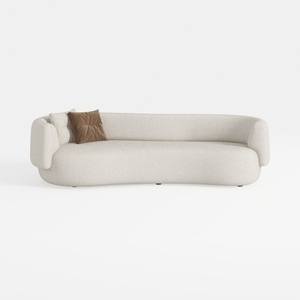
Minimalist Boucle Curved Living Room Sofa 3D Model
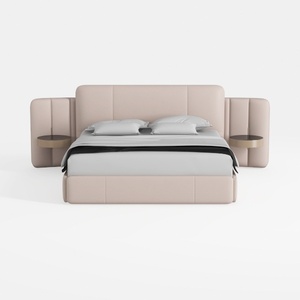
Minimalist Blush Fabric Upholstered King Bed with Attached Side Tables 3D Model
Homestyler is your go-to online home design platform, perfect for transforming your vision into reality. With its easy-to-use design tool, stunning 3D renderings, and a wealth of DIY video tutorials, you can create and explore inspiring spaces effortlessly. Start designing your dream home today!
立即免费设计
































