

Creating an elegant atmosphere in a versatile hall goes beyond merely extravagant designs; it involves meticulous coordination of elements such as lighting, sound, flow, and materials to accommodate various activities while maintaining a unified aesthetic. In my recent projects focusing on Meera Hall-style venues, successful outcomes were dependent on adaptable layouts, a strategic approach to lighting, and effective sound management that enhances both spoken word clarity and live music. The WELL Building Standard emphasizes that spaces promoting comfort and mental wellness lead to noticeable increases in user satisfaction, while findings from Steelcase indicate that well-thought-out, flexible environments foster greater participant engagement. These foundational principles guide my recommendations below, particularly the use of Homestyler to visualize layouts effectively.
Lighting must adapt to its intended use. As recommended by the Illuminating Engineering Society (IES), a general assembly lighting level of approximately 300-500 lux is ideal for social gatherings and dining, whereas lectures or workshops require a higher range of 500-750 lux on surfaces to ensure readability. Warm to neutral white lighting (2700-3500K) promotes a welcoming vibe; cooler temperatures (4000-5000K) help enhance focus during professional sessions. Behavioral research on color suggests that incorporating blues and greens can alleviate stress and maintain concentration, making them optimal choices for conference environments (Verywell Mind). An adaptable dimming system with zoned lighting will provide a sophisticated and responsive framework for your hall.
Establishing Spatial Intentions
A Meera Hall aims for instinctive navigation: guests intuitively know where to gather, presenters have clear focal points, and staff experience seamless movement pathways. I recommend a spatial distribution of 60% for primary use areas, 25% for circulation and staging, and 15% for back-of-house operations (like storage and AV control). This configuration ensures spacious venues while minimizing congestion. To explore various layout options, utilizing a room layout tool like Homestyler is invaluable for testing seating arrangements, sightlines, and spacing before making any rental decisions.
Layering Lighting to Enrich Every Occasion
I design four essential layers of lighting: ambient, task, accent, and decorative. Ambient lighting might involve indirect cove or high-reflective pendants that provide base illumination without glare. Task lighting includes track or recessed fixtures that can shift between stages and service areas. Accent lighting could consist of wall washes and beams to highlight stages or artworks. Decorative elements such as chandeliers or unique light fixtures offer character to the hall and should be dimmable to prevent overwhelming the overall ambiance. It's crucial to manage glare well—keeping the Unified Glare Rating (UGR) low in seating areas. Pre-programmed scenes, such as banquet, theater, seminar, and gala, ensure the lighting balances lux, CCT, and distribution, achieving a dynamic feel without appearing overly bright or monotonous.
Aural Comfort: Ensuring Clarity without Sacrificing Ambiance
Multi-purpose halls often struggle if sound quality is compromised, leading to blurry speech and inadequate music experiences. My target for reverberation time (RT60) for multi-use spaces is between 0.8 and 1.2 seconds—tight enough to promote clarity yet lively enough for smaller performances. A combination of sound-absorbing panels at ear height, diffusive elements on upper surfaces, and plush textiles introduce the necessary acoustic control for various functions. Consider concealing extensive absorption materials behind perforated wood or fabric to maintain an elegant appearance. Managing mechanical noise is imperative; ensure HVAC systems utilize lined ducts and low-velocity diffusers. Additionally, the strategic placement of speakers will help prevent modal resonances near entrances.
Layout Techniques: Transitioning from Banquet to Theater in Moments
To support adaptability, define proportions and anchor points clearly. Implementing modular stages with secure casters, accessible power sources in perimeter trenches, and removable partitions greatly decrease transition times between setups. For seating configurations of 200-300 in theater arrangement, aim for a clearance of 900-1000 mm between rows and 500-550 mm chair spacing; during banquet setup, plan for a service path clearance of 1.5-1.8 m. Incorporate diagonal aisles to shorten access during peak traffic and ensure ADA-compliant seating options for various sightlines. Utilizing an interior layout planning tool like Homestyler can assist in previewing stage visibility, exits, and table service efficiency.
Choosing Materials: Durable, Quiet, and Stylish
Materials selected must withstand foot traffic, potential spills, and fulfill acoustic requirements. I prefer matte or low-sheen veneers, solution-dyed fabrics, and resilient flooring with durability ratings. In seating areas, carpets or carpet tiles should feature dense backing to enhance sound absorption and stain resistance. Near catering setups, consider utilizing terrazzo or premium vinyl flooring that can handle equipment and cleaning needs effectively. Establish a consistent neutral base and gradually introduce color in furniture to maintain flexibility in ambiance without conflicting permanent finishes.
Color Psychology: Setting the Mood
A multifunctional hall, accommodating everything from weddings to corporate meetings, requires a versatile color palette. A calming base of warm neutrals diminishes visual fatigue. Subtle accents in muted blues and greens contribute to focus and tranquility (Verywell Mind, color psychology). For high-profile events, enhance visual richness with jewel-tone overlays—such as lighting gels, florals, or tableware—without needing to repaint walls. I recommend steering clear of bold reds for events centered on speaking, as they may elevate energy levels uncomfortably in highly illuminated settings.
Human-Centric Design: Movement, Safety, and Comfort
Ergonomics extend beyond just seating. Ensure door mechanisms are user-friendly, floor surfaces are flush, and sightlines remain unobstructed towards exits. Include lean bars or resting spots near flow areas; attendees appreciate places to pause briefly during transitions. Stage steps should be sufficiently deep (280-300 mm neck) with contrasting edges for visibility. Integrate tactile markers along paths for events held in low light. Efficient temperature regulation is essential, with varying settings needed for denser seating areas compared to cocktail configurations to balance generated heat.
Seamless Technology Integration
Incorporate technology subtly while ensuring easy access. I recommend retractable cable options in floor boxes, an overhead grid for lighting and banner fixtures, along with backup Wi-Fi access points to manage spikes in demand during events. Mobile LED walls are preferable to permanent installations unless the stage layout is fixed. Develop a library of AV presets—covering speech, panels, music, and hybrid streaming—allowing operators to swiftly adapt without having to recreate setups from scratch.
Guided Navigation and Establishing Identity
A successful Meera Hall cultivates a sense of belonging through intuitive orientation. Employ digital signage at the entrance, complemented by clear analog signs inside to facilitate navigation. Adopt a measured typographic treatment and a signature pattern or geometric theme to unify screens, signage, and textiles throughout the venue. This creates a subtle identity cohesive enough to adapt to various branding needs of different events.
Prioritizing Sustainability and Maintenance
Select LED fixtures renowned for their efficiency and long lifespan, alongside fabrics rated for easy cleaning compatible with your event types. Choose modular carpets enabling replacements of damaged tiles only. Ensure chosen finishes are maintainable—with natural woods treated with user-friendly oils aging beautifully in contrast to brittle high-gloss coatings. Keep a well-organized inventory of spares, whether chairs, lamp drivers, or fabric panels—clearly labeled and documented for quick replacement when necessary.
Design Trends for 2024-2025
Current design preferences lean toward soft minimalism, organic lines inspired by nature, and highly functional technology. Emerging trends feature lighter wood shades, ceiling curves doubling as sound diffusers, and versatile banquettes adjustable from VIP seating to panel layouts. Hybrid events are here to stay; consider camera placements and acoustic layouts to ensure lively in-room energy translates effectively onscreen.
Sample Configurations
- Theater: established focal stage, bright ambient light with specific accent lighting, carpeting in seating areas, RT60 approximately 1.0 seconds.
- Banquet: power sources distributed for centerpieces and microphones, warmer color temperatures, and expanded circulation areas.
- Workshop: table clusters with task lighting, cooler color temperatures around 4000K, and writable dividers.
- Gala: subdued ambient light, accentuated stage and feature wall lighting, decorative fixtures downplayed to provide a soft shimmer.
Frequently Asked Questions
Default lighting for dining settings typically ranges from 300-500 lux; lectures should aim for 500-750 lux on relevant surfaces. Utilize dimmable, zoned circuits to facilitate smooth transitions (according to IES guidelines).
Prioritize indirect ambient illumination, make use of diffusers, and carefully select fixtures that maintain low UGR values. Accent lighting should be positioned to avoid direct sightlines.
Strive for a reverberation time of 0.8-1.2 seconds to ensure clear speech while retaining musical warmth. Combine sound absorption at occupant height with diffusion features above.
Utilize modular staging, removeable partitions, and pre-established chair setups to facilitate fast transitions. A room design visualization tool helps in pre-testing seating arrangements and exit pathways.
Color basing on warm neutrals, with accented tones in muted blues and greens, is a strategy known to relieve stress and promote attentiveness (Verywell Mind on color psychology).
For theater configurations, maintain a clearance of 900-1000 mm between rows and ensure a chair spacing of 500-550 mm. During banquet arrangements, prioritize 1.5-1.8 m clear pathways for service access.
Integrate ceiling rigging systems, deployable LED frames, and conveniently placed floor boxes. Ensure that cable management solutions remain retractable and develop AV presets for rapid adjustments between modes.
Opt for dense-backed carpet tiles, matte wood surfaces, durable textiles, and low-maintenance flooring adjacent to service areas. Conceal absorptive materials behind stylish perforated wood or textile finishes.
In higher-density seating configurations, cooler temperature settings are recommended; cocktail and workshop environments can benefit from slightly warmer atmospheres. Utilize low-velocity diffusers to minimize intrusive noise.
Combine digital entryway signage with unobtrusive interior analog systems, using a harmonious typographic style and a singular design motif to create cohesion.
Choosing warmer tones around 2700-3000K fosters comfort in gala setups, while cooler requirements around 3500-4000K support clarity in seminar environments, alongside increased task illumination.
Prioritize high-efficiency LED choices, implement repair-friendly finishes, ensure accessible technology setups (like floor boxes and ceiling grids), and maintain a visible inventory of spare equipment to allow for seamless event management.


Minimalist Pink Fabric L Shaped Sectional Sofa 3D Model
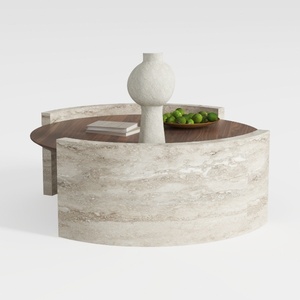
Round Coffee Table,29.52IN Wooden Coffee Table,Mid
Homestyler is your go-to online home design platform. With its user-friendly design tool, stunning 3D renderings, and a wealth of inspiring design projects and DIY video tutorials, transforming your space has never been easier. Elevate your home design experience today!
立即免费设计
































