

When designing audience halls, I focus on balancing sightlines, sound quality, and human comfort, while incorporating elements of identity, technology, and operational efficiency. Modern halls must adapt seamlessly to various events, including keynote speeches, hybrid gatherings, immersive performances, and community meetings, without compromising on design. This begins with making informed decisions based on research. The Gensler Research Institute highlights that spaces fostering choice and flexibility significantly enhance the overall experience and effectiveness; similarly, WELL v2 stresses the importance of acoustic comfort and glare reduction for the well-being of users. Steelcase emphasizes that adaptable environments encourage higher engagement levels and inclusivity, underlining the importance of versatile halls, like those designed using Homestyler tools.
Key elements such as lighting, acoustics, and seating arrangements play a vital role in creating an effective audience space. According to the recommended practices by IES, spaces designed for presentations typically target brightness levels between 300 and 500 lux on work surfaces with minimal glare. Achieving 150 to 250 lux of vertical illumination on speakers' faces enhances visibility and helps remote audiences recognize facial expressions. Insights from Verywell Mind point out that cooler colors can help lessen stress and increase concentration, while warmer tones can foster a sense of social warmth—beneficial when transitioning from formal discussions to more community-oriented events. These considerations guide the foundational design: ensuring glare-free lighting, balanced contrast, and appropriately adjusted color temperatures to suit varied programs.
Establishing the Spatial DNA
The space should convey its purpose before it even hosts its first event. My design process begins with three vital ratios: the stage-to-room proportion (optimal range between 1:8 to 1:12 for most venues), ceiling height relative to room depth (0.25 to 0.33 for unobstructed sightlines), and aisle-to-seat spans (limit aisles to 6 to 8 seats to facilitate egress and inclusivity). A shallow raked floor combined with continental seating can enhance visibility without needing a full auditorium rake. To evaluate different spatial arrangements and sightline options, I frequently utilize layout tools like Homestyler to visualize viewing angles and assess traffic flow.
Precision in Stage and Back-of-House Design
The stage should be crafted as a modular platform, complete with integrated power and data points spaced at 1.5 to 2.0 meters. A typical height for mid-depth rooms is around 1.2 to 1.5 meters; to ensure accessibility, an integrated ramp with a 1:12 slope should be added on the non-audience side. Ensure that there is adequate wing space, at least 25% of the stage width, to facilitate swift scene changes and hybrid audiovisual presentations. Additionally, back-of-house circulation needs to be distinct from audience pathways, as overlapping routes can lead to delays and increased risks during transitions.
Seat Geometry and Human-Centric Design
Comfort is essential for extending event duration and maintaining audience attention. I recommend a row pitch of 950 to 1,050 mm for standard seating, increasing to 1,100 to 1,200 mm for premium seating to facilitate easier egress. Staggering seats by 100 to 150 mm between rows can help minimize head-to-head obstructions. The closest seat to the stage should be positioned at a distance of 1.2 to 1.5 times the stage height, ensuring comfortable viewing. To promote neurodiversity and inclusivity, I suggest allocating "calm seats" at the perimeters, providing easy exits and access to a low-stimulation anteroom.
Clarity in Acoustics Without Over-Attenuation
For speech-focused venues, target a mid-frequency reverberation time (RT60) between 0.8 and 1.2 seconds, leaning towards the lower end for streaming events to ensure clarity. Absorption should be distributed in the room's rear third, while diffusion along the sidewalls helps maintain sound energy without creating echoes. It's crucial to avoid large flat surfaces; slight wall splay (1 to 2 degrees) or segmented panels can achieve this. Additionally, HVAC noise levels should remain below NC-25 to NC-30 during speaking events; larger ducts and lined plenums can help diminish noise from airflow. For venues that accommodate music, consider integrating variable acoustics with retractable banners or adjustable diffusers to modulate RT by approximately 0.3 to 0.4 seconds.
Layered Lighting and Managing Glare
Adopting a four-layer lighting strategy is effective: (1) provide diffuse ambient lighting at 300 to 350 lux for audience comfort, (2) implement vertical facial lighting for speakers at 150 to 250 lux, (3) add accent lighting for stage features (beam angles of 19 to 36 degrees), and (4) incorporate circulation lighting at 50 to 100 lux. To enhance camera representation, ensure that high Color Rendering Index (CRI) values of 90 or above are used for skin tones. Utilize indirect lighting sources to prevent projector washout and ensure a Unified Glare Rating (UGR) of less than 19 in audience areas to maximize glare control. Adjust the color temperature appropriately: 3500 to 4000K for presentations for heightened focus, and 3000 to 3500K for social-style programs. Using dim-to-warm fixtures can smooth transitions across different content types.
Exploring Color Psychology and Identity
A neutral color scheme with vibrant accent colors allows event content to take precedence over the walls. Cooler shades of blue and green can help alleviate stress while stabilizing focus; adding a warmer accent near the stage boosts energy during panel discussions. It's important to balance reflectance values: ceilings should fall between 70 to 80%, walls should be 50 to 60%, and floors between 20 to 30% to maintain contrast without sharp brightness changes. Additionally, integrating a brand color as a subtle accent in signage or seat markers rather than overwhelming the entire room with it enhances wayfinding and identity cues.
Adaptable Staging and Hybrid Audio-Visual Strategy
From the outset, design with hybrid functionalities in mind. Implement dual confidence monitors, ensure camera sightlines avoid extreme angles, and use unobtrusive timers on stage. Position main cameras at eye level within a distance of 1.5 to 2.0 times viewing distance to facilitate a natural perspective; bolster this with a roaming camera for dynamic visuals. Cable management troughs in aisles can help minimize trip hazards during event transitions. For microphones, a combination of beamforming ceiling arrays with handheld or lavalier mics can ensure clarity and redundancy.
Flow of People and Effective Wayfinding
Entrances should distribute traffic efficiently across at least two sides of the hall. Glazed lobbies improve orientation but should mitigate light spill through vestibules or automated shading solutions. Ensure a clear passage of 1 meter at each door leaf and pinch points measuring 1.5 to 2.0 meters at intersections. Amenities like restrooms, hydration stations, and quiet rooms should be placed within a travel radius of 30 to 45 meters. Emergency egress pathways must be intuitive, even in darkness; utilizing low-level aisle lighting and photoluminescent markers on stair edges can achieve this.
Material Choices and Sustainability Approaches
Emphasizing durable and easy-to-clean finishes with a focus on low embodied carbon is crucial. Selecting upholstery with high double-rub counts plus bleach-cleanable options can extend the lifecycle of heavily used spaces. To achieve optimal acoustics, pairing recycled PET felt panels with wooden perforated systems can create a warmer aesthetic. Choose stage surfaces with moderate friction (COF around 0.6) for safety during hectic transitions. When feasible, invest in modular seat components to minimize long-term waste.
Control Systems Influencing Audience Behavior
Presetting scenes—like Presentation, Panel, Q&A, Film, and Community—reduces operator errors and expedites event setup. Providing presenters with an easy-to-use on-stage interface, distinct from technical booth controls, includes a “Q&A” button that gently raises audience lights for engagement. Notably, people tend to follow patterns of light and sound; thus, employing these elements strategically can guide their movement and focus effectively.
Testing Layouts for Visual and Functional Balance
Prior to finalizing the plan, it's essential to prototype the first five rows, the rear corners, and specific stage viewpoints. Validate diagonal sightlines through stepped or raked models, and confirm adequate ADA seating in at least two prominent locations. Utilizing digital layout planners can facilitate comparisons among sightline options, aisle spacing, and stage access for diverse room functionalities, helping achieve optimal designs through simulation tools like Homestyler.
Programming for Versatility
Contemporary audience halls rarely serve a single purpose. Begin with a basic configuration: stackable or tablet-arm seats for breakout sessions, portable stage risers, and drape tracks for adjustable backdrops and sidewalls. Store an additional 20 to 25% of seating on rolling carts nearby to minimize transition times. For exhibition setups, ensure perimeter power supply locations every 3 to 4 meters and dedicated rigging points (5 to 7 kN) for lighter scenic structures.
Inclusive Design Considerations
Make provisions for entry-level and mid-tier wheelchair seating with equal sightlines, rather than solely designing for rear platforms. Integrate assistive listening systems, with clearly marked receivers available at check-in points. Creating a sensory retreat space adjacent to the hall featuring adjustable lighting at 150 to 200 lux, sound-dampening features, and neutral colors can drastically improve the experience. Utilize high-contrast typography and intuitive pictograms in signage for international attendees.
Operational Efficiency and Lifecycle Management
Select finishes and fixtures that allow for quick replacement. Upholsteries with removable covers, modular stage facades, and field-replaceable LED lights can minimize downtime. Develop a straightforward maintenance schedule based on event frequency rather than just a calendar schedule. Staff training on preset functionality and microphone management is vital, as many audio-visual complaints arise from inconsistent setups rather than hardware limitations.
For comprehensive guidance on lighting and comfort, I refer to the WELL v2 principles concerning light and sound, along with IES-recommended practices for educational and presentation facilities. These frameworks aid in setting performance objectives while allowing for creative aesthetic expression.
Frequently Asked Questions
Q1: What are the recommended lighting levels for audience-focused presentations?
A1: Strive for 300 to 350 lux as ambient lighting in the audience with 150 to 250 lux for vertical lighting on the speaker. Ensure low glare levels (UGR under 19 in seating areas) and utilize high CRI fixtures for accurate skin tone representation on camera.
Q2: How can I ensure clear vocal delivery without excessively dampening the room?
A2: Aim for an RT60 of 0.8 to 1.0 seconds for speech-focused applications, ensuring sound absorption occurs in the back third and adding diffusion on sidewalls. Maintain HVAC noise below NC-25 to NC-30. For music-heavy settings, use variable acoustic features like banners or diffusers to adjust reverberation times.
Q3: What heights and distances are optimal for stages to achieve good sightlines?
A3: Typically, a height of 1.2 to 1.5 meters works for mid-depth rooms. Ensure that the first row of seating is positioned 1.2 to 1.5 times the stage height to minimize neck strain and maintain viewing comfort.
Q4: How can I design seating arrangements with accessibility and inclusivity in mind?
A4: Ensure wheelchair seating positions are available at multiple heights, all providing prime sightlines. Include assistive listening systems and calm seats near the edges that allow easy exits. Maintain generous row spacing and clear aisles for smooth egress.
Q5: Which color scheme promotes attention and focus during long events?
A5: Utilize neutral base colors (50 to 60% reflectance on walls) with cooler accent colors to enhance focus, and introduce a warm color band near the stage to energize the audience. Keep ceilings at 70 to 80% reflectance and floor surfaces at 20 to 30% to eliminate glare and create visual balance.
Q6: How can a hall flexibly accommodate keynote speeches, panel discussions, and community events?
A6: Incorporate modular staging with built-in power supply, dim-to-warm lighting settings, stackable chairs, and adjustable drapes. Design nearby storage to hold an extra 20 to 25% of seating to quicken transitions and preprogram audio-visual setups for efficiency.
Q7: What recommendations exist for hybrid and streaming environments?
A7: Set primary cameras at eye level with a viewing distance of 1.5 to 2.0 times the audience distance. Include vertical lighting for speakers, dual confidence monitors, and maintain organized cable management with floor troughs. Combine beamforming microphones with lavalier or handheld options to ensure speech clarity and redundancies.
Q8: What strategies can minimize unwanted light on projection screens?
A8: Implement indirect ambient lighting, shielded downlights, and zoned dimming systems. Maintain narrow beam angles for stage accents and select low-specularity finishes adjacent to screens. Utilize automated shades and vestibules to effectively manage incoming daylight.
Q9: What materials offer a balance between acoustic performance and durability?
A9: A combination of PET felt or mineral fiber panels for sound absorption with wooden perforated surfaces for diffusion creates a warmer acoustic environment. Opt for durable upholstery and stage finishes with moderate friction to promote safety during quick changes.
Q10: What actions ensure intuitive wayfinding for large gatherings?
A10: Ensure multiple entry points, clearances of 1 meter at doors, and low-level aisle lighting. Employ high-contrast signage and light gradients to intuitively guide audience movement, even during emergency situations or low-light scenarios.
Q11: Which sustainability strategies are crucial for audience halls?
A11: Favor low-VOC, durable finishes, modular seating that can be repaired, and energy-efficient LEDs with replaceable components. Design the ventilation and acoustic systems in tandem to optimize fan energy usage while adhering to noise control standards.
Q12: When should acoustic and AV considerations be integrated into the design process?
A12: From the very initial concept phase. Decisions regarding room geometry, material selection, and mechanical systems significantly influence outcomes—more than retrospective fixes. Collaborating early helps to avoid costly redesigns and leads to better clarity in spoken word and hybrid experiences.

Rustic Rectangular Coffee Table, 44.8 Inch
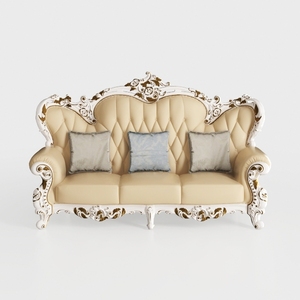
Baroque Luxury Leather Tufted Three Seat Sofa 3D Model
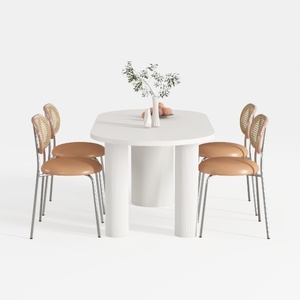
DUOMAY Modern Boucle Dining Chairs Set of 2,
Looking to transform your living space? Homestyler offers a fantastic online design tool that lets you visualize your ideas through stunning 3D renderings. With a wealth of design projects and helpful DIY video tutorials, you'll find everything you need to create your dream home, whether you're a beginner or a seasoned pro!
Desain sekarang Gratis
































