

Having crafted numerous ceremonial spaces, both in reality and digitally, I can affirm that the finest in-game wedding halls exhibit a singular trait: they transform narrative into dimensions. An engaging RPG marriage hall not only boasts visual beauty; it also fosters emotional engagement, delineates traditional practices, and captures picturesque moments as enduring memories. Research from Steelcase indicates that 77% of people believe thoughtfully designed environments enhance significant experiences, which, in a virtual realm, manifests in elements like lighting, spatial arrangement, and intuitive flow—all vital for enriching the ceremony. From a perspective of comfort, the WELL v2 Light principles advocate for regulated brightness and glare reduction—key factors that significantly enhance visibility and ambiance, even within stylized RPG lighting schemes.
The significance of color and behavior cannot be overlooked. Verywell Mind's examination of color psychology suggests that warm shades often evoke intimacy and celebration, while cool colors evoke calmness—apply this rationale when selecting palettes for diverse RPG cultures or factions. Furthermore, Gensler's insights into experience design underscore the importance of sequence and thresholds in creating lasting memories; design ceremonies with distinct phases: arrival, vow emphasis, communal jubilation, and personal reflection. These data-informed cues ensure the hall feels intentional rather than merely attractive. For larger guild events or MMO centerpieces, incorporate strategic player routing and dispersal areas to prevent congestion at pivotal points.
Key Design Elements for Unforgettable RPG Wedding Halls
Every significant venue is built upon five foundational pillars: narrative, lighting, proportions, acoustics, and interaction. I initiate by scripting the narrative—what culture, era, or mythology is being honored? Next, I calibrate the light levels and color temperature to resonate with the desired atmosphere. Proportions follow: a grand main area for public vows, a mid-sized section for family or guild photography, and secluded areas for moments shared between the couple. I categorize acoustic zones to ensure that emotes, instruments, and voice communications feel contextually placed. Finally, I add interactive components: seats that trigger synchronized animations, altars with prompting for vows, and arches that release decorative features like confetti or glowing particles.
Lighting for Captivating Photography
In most RPG engines, default bloom effects and harsh highlights can overwhelm wedding images. I strive for a gentle 300–500 lux on the focal point (the altar or vow circle), warm-white lighting set between 2700–3000K for a romantic ambiance, and cooler 4000–4500K lighting to maintain natural skin tones across diverse fantasy character designs. Illuminating the aisle from the sides helps avoid unflattering frontal lighting; gently enhancing the background with rim lights adds depth, allowing the couple to be beautifully silhouetted. I aim for an ideal key-to-fill ratio of 3:1 to achieve cinematic richness while minimizing discomfort glare, in line with WELL v2 guidelines.
Color Psychology for Culture and Themes
Ground your color scheme in the lore of factions and player identities. For royal themes: rich sapphire and gold convey strength and victory. For nature-based druid themes: earthy moss, sage, and warm amber evoke feelings of belonging. For arcane unions: gradients of violet and pearlescent accents suggest intrigue and wisdom. In cross-faction celebrations, integrate two distinct palettes anchored by a common neutral (bone, slate, or charcoal) to ensure harmony rather than conflict. Use vibrant tones sparingly on architectural features, reserving softer shades for the core of the ceremony to highlight avatars and photographs.
Designing a Flowing Space: From Arrival to Conclusion
I categorize the venue into four sequential areas with clear lines of sight and guiding elements: 1) Arrival promenade adorned with banner stands, 2) Aisle and vow circle optimized for visibility, 3) Feast or reception area with interactive dance options, and 4) A restful epilogue garden for intimate couple interactions. For guild celebrations or extensive gatherings, incorporate side aisles and balcony levels to help distribute guests evenly. If you're in the planning stages, utilizing a room layout tool can simulate seating arrangements and camera perspectives prior to actual construction.
Acoustic Comfort and Social Interaction
In voice-enabled RPGs, create muted acoustics near the altar by using soft materials, carpets, and curtains to enhance the intimacy of vows. Transition to more lively acoustics in the reception space for music and celebrations. Even when true audio simulation isn't available, different materials can suggest acoustic zones: velvets and greenery for quieter areas, and stone or metal for introductions. This subtly influences player behavior, moderating background chatter where it is less appropriate and amplifying joy when it is needed most.
Sustainable Materials—a Fantasy Touch
Selection of materials conveys cultural significance: alabaster and ornate gold for regal heritage; rugged timber and linen for pastoral settings; bioluminescent plants and translucent gems for ethereal or mystical environments. Maintaining visual consistency is important to mitigate distractions: alternate column designs using a 1:1 or 1:2 pattern, and repeat a unique design element every 6–8 meters to establish focal points. For environmentally-conscious narratives, integrate themes of sustainability—recycled materials, reclaimed wood seating, or living walls with glowing elements during vows.
Seating Arrangement and Player Comfort
Consider spacing for avatar animations and capes during seating arrangements. I ensure at least one avatar-width separation between pew ends and walkways to avoid clipping issues. Stagger rows of seating so guests can clearly see the couple, even with tall armors or mounts nearby. Designate priority seats for family and guild leaders while providing specific nooks for photographers or streamers. According to Steelcase, environment plays a crucial role in collaboration; in ceremonial context, this leads to intentional closeness—embody emote triggers within easy reach while preventing overlapping interaction zones that could disrupt animations.
Capturing Photographic Moments and Cinematic Perspectives
Establish three focal backdrops: the vow arch, a prominent scenic feature (like a waterfall or cityscape), and a detailed texture wall for portraits. Position the camera slightly elevated behind the couple to create an elegant V-shaped arrangement with guests. Enhance moments with subtle visual effects tied to specific times—entrance, vows, kiss, and exit—allowing screenshots to depict narrative progression unencumbered by distractions. Provide the option to disable festive effects like fireworks during vows for clearer captures.
Engaging Interactive Rituals for Players
Devise rituals that players can opt into, bounded by time: ring exchange prompts with coordinated hand movements, vow scripts where players can personalize lines, and unity actions such as igniting shared braziers or binding decorative ribbons in faction colors. Consider creating collectible mementos like a marriage sigil emote, a crest banner for player housing, or special dyes attainable by guests. The depth of interaction can transform weddings from simple cutscenes into moments that players cherish and revisit.
Diverse Styles: From Classic to Modern Temples
Consider vaulted ceilings with ethereal glass, aromatic ambiance, and warm altar lighting set to 2800K alongside cooler aisle lighting at 4200K, ensuring gold accents direct focus without causing glare.
Living branches outline the nave; glowing spores illuminate the aisle, with soft ground textures to muffle sound. Incorporate wind chimes and leaf mobiles to create a harmonious acoustic experience.
Colonnaded courtyards with decorative screens generating patterned shadows, a warm amber glow tempered with blue ceramic accents, while water features promote privacy through gentle white noise.
An oculus dome beneath stars, with color-shifting runes that pulse during the vows, and rim lighting that highlights silhouettes against the night sky for striking photographs.
Utilize holographic structures and dynamic LED flooring. Maintain a 3500–4000K neutral-white spectrum for skin tone fidelity while keeping neon accents to the periphery to avoid casting harsh colors on faces.
Performance and Accessibility Considerations
Large gatherings can overwhelm clients. Implement instance-based decor clusters and level of detail graphics for floral arrangements and lighting. Maintain moderate particle counts and offer a low-graphic mode for ceremonies. Provide clear subtitling for vows, color-blind friendly color schemes for UI elements, and avoid feedback mechanisms that rely on red and green alone. According to Interaction Design Foundation principles, ensure intuitive design by clearly marking emote triggers and offering rehearsal guides at the entrance for smooth ceremonies.
Reusable Layout Templates
- Central Aisle with Dual Transept: A traditional church layout; great for camera accessibility.
- Theatre-in-the-Round: A centered couple with tiered seating for equal visibility.
- U-Shaped Courtyard: Cozy setting that keeps guests close; perfect for smaller groups.
- Riverwalk Processional: A moving ceremony along a path with vows at the conclusive view.
- Twin Faction Aisles: Two entrances converging at a common altar—a fitting design for cross-faction unions.
Test these layouts with an interior design planner or layout simulation tool to identify spatial conflicts and optimize photographic opportunities before live execution.
Checklist for Small Team Builds
- Define the narrative and color schemes according to faction or couple identity.
- Allocate space for the four zones: arrival, vows, celebration, and epilogue.
- Establish target lighting parameters: 300–500 lux at the altar area; maintain a 3:1 key-to-fill lighting ratio.
- Integrate acoustic cues through materials and architectural design.
- Optimize seating arrangements for visibility and emotive interaction.
- Develop 3–5 interactive rituals and photography options.
- Budget for performance optimization with lower detail settings and presentation modes.
- Conduct a rehearsal to assess flow, potential collisions, and camera angles.
Frequently Asked Questions
Q1: What is the ideal brightness for the altar area to ensure clear photos?
A1: Strive for a gentle brightness of 300–500 lux on attendees’ faces, pairing warm 2700–3000K key lights with soft fills. Minimize glare and use a subtle rim backlight for clarity in silhouettes.
Q2: Which color palette works best for cross-faction weddings?
A2: Combines two thematic colors with a shared neutral, such as bone or slate. Keep stronger shades for accents, while softer mid-tones dominate the vow space to complement various armor designs.
Q3: What strategies can prevent overcrowding near the aisle?
A3: Introduce lateral aisles, balcony tiers, and overflow sections. Use guidance visuals—like banners and lantern paths—to direct guest movement, and incorporate gentle collision zones near the couple during vows.
Q4: Which interactive elements enhance the ceremony experience?
A4: Time-sensitive prompts during ring exchanges, customizable vow scripts, synchronized animations, and collectible commemorations like crest banners or unique dye rewards for participants.
Q5: What tips can improve voice chat clarity during the vows?
A5: Utilize soft materials around the altar to create the impression of sound absorption, define quiet zones for voice chat, and position music sources in reception areas to minimize overlap.
Q6: How can I avoid harsh color casts on avatars?
A6: Position vibrant or saturated lights towards side features, employing neutral-white fills (around 4000K). Test with diverse character skin tones and armor styles before finalizing your settings.
Q7: What layout is suitable for small gatherings?
A7: An intimate U-shaped courtyard maintains close guest proximity and clear sightlines. Incorporate a singular scenic theme for photography, along with a compact dance area to prevent a sense of emptiness.
Q8: How do I enhance performance during massive MMO weddings?
A8: Implement instance-based decorative elements, reduce the number of particles used, and utilize levels of detail for floral designs and lighting fixtures. Provide an option for a low-graphic ceremony mode. Keep mirror and water reflections simple around the altar area.
Q9: How can I incorporate lore without overcrowding visuals?
A9: Employ a single repeating design element—be it a crest, rune, or flora—at regular intervals. Weave storytelling into functional components like braziers, arches, or decorative ends of pews, rather than scattering prop visuals throughout.
Q10: What accessibility measures should I integrate?
A10: Maintain subtitles, offer color-blind friendly UI options, adjustable text size, clear labels for interaction points, and even optional camera rails for a guided visual experience.


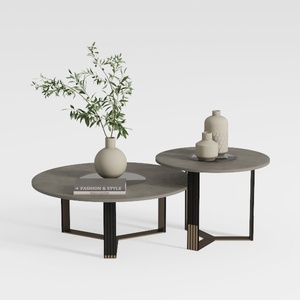
Modern Concrete Metal Nesting Coffee Table 3D Model

Minimalist Solid Wood Round Coffee Table 3D Model
Homestyler is an exceptional online home design platform that empowers you to create stunning interiors with ease. Utilize its user-friendly design tools, explore a vast array of 3D renderings, and enjoy inspiring DIY video tutorials to transform your space into a masterpiece.
Design jetzt kostenlos
































