


Heritage banquet halls flourish through storytelling conveyed by their architecture, materials, and lighting, which together create a special atmosphere. To ensure that events are truly unforgettable, I merge traditional details with modern functionality: providing balanced acoustics, comfortable seating, adaptable layouts, and multi-layered lighting that enhances both guests and photography. In my latest projects, I consistently apply human-centered principles to drive success: WELL v2 establishes a preferred warm color temperature range of 3000K–3500K for fostering calm and welcoming environments, while the Illuminating Engineering Society (IES) advocates for general ambient lighting of 100–300 lux for dining areas, complemented by task lighting of 500–1000 lux at service stations. Research by Steelcase indicates that environments promoting good posture and comfort significantly enhance guests' experiences—a crucial factor for lengthy banquets.
Atmosphere and operations in banquet settings are heavily influenced by data. My design goals include achieving reverberation times of approximately 0.8–1.2 seconds, tailored to volume and materials, which aligns with hospitality acoustic benchmarks often referenced in workplace studies; Steelcase has long recognized the impact of noise levels on cognitive load and satisfaction in group settings. Moreover, WELL v2 highlights the importance of acoustic zoning and material absorption to minimize speech disturbance—especially crucial when toasts, music, and conversations occur simultaneously. The psychology of color is another critical factor; research by Verywell Mind suggests that deep blues and rich greens evoke feelings of serenity and trust, whereas muted warm neutrals foster familiarity and comfort—attributes ideal for heritage aesthetics.
Another layout consideration I utilize involves cabaret-style seating or a combination of round and rectangular arrangements that often enhance sightlines and circulation compared to tightly packed round tables. To evaluate traffic patterns, service paths, and table clearances effectively prior to finalizing the design, employing a layout simulation tool, such as Homestyler, can provide valuable insights into seating configurations, staging, and buffet logistics.
Entrance & Processional: Setting the Tone
I view the arrival experience as a cinematic unveiling. An inviting vestibule illuminated with 150–200 lux ambient lighting, alongside accent pools of 300–500 lux, highlights elements like mouldings, arches, and historical artwork without producing glare. Warm 3000K LEDs help ease the transition from daylight to interior lighting. To maintain smooth movement, clear widths of 1.5–1.8 m are recommended for pair navigation; more space should be allocated at coat check and signage areas. Sightlines ought to direct attention toward the main hall’s focal point—be it a stage, head table, or grand window—ensuring intuitive guest orientation.
Grand Room Proportions & Visual Rhythm
Heritage banquet halls gain from a distinct hierarchy in design: vertical rhythm created by columns or pilasters, horizontal guidelines through chair rails or picture mouldings, and detailed ceiling designs, such as coffers or beams, frame the event beautifully. I focus on establishing a primary direction for processions and speeches while also defining secondary routes for buffets, bars, and lounge areas. The ratio of space is crucial: I aim for a table-to-aisle ratio of 1:1.8–2.2 to facilitate efficient service while maintaining a minimum circulation space of 1.2 m around round tables. Visual equilibrium is achieved by balancing dense seating clusters with open areas for lounges, photo opportunities, or floral arrangements to avoid a monotonous atmosphere.
Layered Lighting: From Ceremony to Dance
To create memorable spaces, banquet halls should feature adaptable lighting layers. Ambient lighting should be kept between 150–300 lux at a color temperature of 3000–3500K, accent lighting should be 300–700 lux highlighting architectural details and floral arrangements, and task lighting, such as for bars and food stations, should be set at 400–600 lux. Pin spots on centerpieces can enhance sparkle without overwhelming guests; precise aiming helps to eliminate glare. Dimmable areas and pre-set scenes (arrival, dining, toasts, dancing) allow for seamless transitions in mood. Color rendering is essential; I strive for a CRI of 90 or greater so that skin tones and heritage materials appear authentic in photographs. Creating a luminous contrast of 1:3 between table surfaces and background helps both cameras and eyes manage exposure effectively.
Acoustic Comfort & Conversation
Timber ceilings, plaster cornices, and stone flooring often enhance the character of heritage halls but can exacerbate noise issues. I incorporate a concealed acoustic strategy comprising felt-backed drapery, under-table acoustic pads, upholstered seating, and strategic rugs. Soft density panels hidden behind wainscoting or fabric-wrapped frames in niches maintain aesthetics while absorbing mid to high frequencies. DJs and musicians should be positioned carefully to avoid straight sound paths to diners; setting up sound shields behind speakers and ensuring a buffer of 2.5–3 m to the seating area is best. The goal is to keep Leq during dining at around 65–70 dB—lively yet conducive to conversation.
Color Story: Classic Palettes, Modern Nuance
Heritage does not equate to heaviness. I prefer a base of warm neutrals (such as ivory, buff, or biscuit) accentuated by jewel tones (emerald, garnet, lapis) that reflect period motifs. The guidance from Verywell Mind reinforces the harmonious alignment of color psychology: blues promote calmness, greens symbolize renewal, and subtle reds add vibrancy to focal points like stage backdrops. Metallic touches in antique brass and soft gold provide warmth without glare, especially when rendered in matte or satin finishes. Textiles tell a story too: pairing damask, moiré, or understated herringbone fabrics with modern plain-weave linens keeps the design feeling current.
Ergonomics & Seating Comfort
Banquet chairs must provide adequate support over extended periods. I prefer seats with heights ranging from 45–47 cm, featuring gentle lumbar support in their backs and foam densities around 45–55 kg/m³ for optimal comfort. Table heights of 73–75 cm accommodate various guests and dining ware. It's crucial to avoid narrow knee clearances; realistically, 60–65 cm per place setting ensures comfort at round tables. Clear aisles of 1.2–1.5 m facilitate server movement while guests remain seated. These considerations of human factors are directly linked to guest satisfaction; Steelcase has highlighted how comfort and engagement significantly contribute to perceptions of quality in the experience.
Flexible Layouts for Mixed Programming
Whether for weddings, galas, or awards ceremonies, finding a single layout that accommodates all moments is rare. I design designated areas: dining sections, lounge spaces, bar pathways, and a dedicated stage. Cabaret configurations maintain open front areas for performances, while chevron rows are ideal for ceremonies, ensuring excellent sightlines. Using mobile bars on lockable casters and lightweight staging enhances adaptability. When assessing capacity and service routes, I utilize an interior layout planner like Homestyler to visualize guest traffic and staff efficiency.
Materials, Heritage Preservation & Sustainability
I have a deep respect for original finishes—such as wood paneling, stone thresholds, and leaded glass—and I pair these with durable, low-VOC finishes for contemporary use. Fabrics with high abrasion ratings (≥50,000 double rubs) help maintain the appearance of seating, while wool blends offer both breathability and fire resistance. During restorations, I implement reversible solutions ensuring original mouldings remain visible, including clip-in acoustic panels, magnetic track lighting, and freestanding partitions. Adhering to WELL v2’s material guidelines and NKBA’s durability standards allows for safer, long-lasting choices that honor heritage character.
Wayfinding, Signage & Ritual Moments
Discretion is key: engraved brass plaques, elegant script fonts, and softly backlit panels guide guests without creating visual clutter. I ensure that ceremony markers—such as arches, canopies, or floral prosceniums—are easily disassembled post-event. Photo opportunities should be strategically positioned near windows for natural light or against controlled accent walls to avoid harsh shadows. I plan for small stages for toasts with lighting set at 200–300 lux front fill and warm 3000K tones, ensuring microphones and lecterns harmonize with the room’s overall aesthetic.
Operations: Service Flows & Back-of-House
Hosting memorable events relies heavily on efficient operations. Creating distinct pathways for guests and staff minimizes conflicts; this includes dedicated service corridors concealed behind partitions, staging areas close to the kitchen, and drop-off points for trays and carts. Bars should offer task lighting within the range of 500–700 lux using low-glare diffusers for improved speed and accuracy. It’s also essential to keep electrical and AV pathways hidden yet accessible, ensuring floor boxes are located at regular intervals and cable bridges are laid under rugs to protect heritage floors and guest safety.
2024–2025 Touches That Keep It Current
Today's banquet hall design prioritizes adaptability and sensory quality. Wireless uplighting featuring a high CRI, along with dimmable warm-white ranges and layered sound reinforcement, can enhance the experience without adding visual distractions. Emphasizing inclusive design is essential: incorporating quiet lounges for neurodivergent individuals, providing a variety of chair sizes, and ensuring smooth transitions in lighting from the entryway to the main hall.
Tips 1: Staging Focal Points
Create focal points that are positioned opposite the main entry to achieve a ceremonial reveal. Utilize matte backdrops to reduce glare and plan for side lighting to ensure that faces are well-lit and avoid flat lighting effects.
Tips 2: Managing Glare
Apply diffusers to chandeliers, specify matte metallic finishes, and angle pin spots at 30–45 degrees. It’s important to maintain luminance ratios of 1:5 between the brightest accent lighting and surrounding surfaces to ensure comfort for guests.
Tips 3: Comfort Through Micro-Zoning
Establish quiet lounge areas away from speakers; provide warmer lighting pools in these spaces within the 2700–3000K range, alongside plush upholstery and high NRC partitions to minimize noise levels.
Tips 4: Heritage-Friendly Tech Integration
Choose track systems that attach to existing beams, with wireless controls discreetly placed in sideboards and portable acoustic panels matching the tones of the paneling for seamless integration.
FAQ
Q1: What ambient lighting levels work best for dining?
A1: Target 150–300 lux ambient lighting at 3000–3500K. IES standards recommend these ranges for comfortable dining environments, with task areas such as bars and buffets set between 400–700 lux.
Q2: How can I reduce noise without altering historic finishes?
A2: Employ reversible methods, such as felt-backed drapery, under-table acoustic pads, fabric screens in alcoves, and rugs. Position soft furnishings near hard boundaries to absorb sound reflections and maintain a Leq of about 65–70 dB during meals.
Q3: What seating layout balances capacity and sightlines?
A3: A mix of round tables with cabaret-style formats or chevron seating arrangements for ceremonies ensures clearer views. Use a room design visualization tool, like Homestyler, to model pathways and clearances effectively.
Q4: Which color temperatures flatter photography?
A4: Warm-white lighting in the range of 3000–3500K provides flattering skin tones. Aim for a CRI of 90 or above while balancing accent and fill lighting to ensure even visibility of faces; avoid harsh uplighting directly on faces.
Q5: What are comfortable clearances per guest at tables?
A5: Provide space of 60–65 cm per guest and maintain aisles of 1.2–1.5 m. Chairs should offer supportive backs with heights around 45–47 cm to ensure guests' comfort during extended events.
Q6: How do I protect heritage elements during AV and lighting installations?
A6: Utilize clamp-based track fixtures, preferred floor boxes instead of wall chase openings, and portable risers. Opt for magnetic track heads and wireless controls to prevent drilling into historic surfaces.
Q7: What palette suits a classic yet modern banquet aesthetic?
A7: A combination of warm neutrals with jewel accents—like emerald, garnet, and lapis—along with antique brass or soft gold accents in satin finishes works beautifully. Incorporate color psychology: blues to instill calm, greens for reassurance, and controlled reds to energize focal areas.
Q8: How can I support neurodiverse guests in heritage halls?
A8: Create quiet lounge spaces, avoid strobing lighting effects, maintain a consistent 3000K illumination, and offer varied seating options. Clear signage and predictable transitions help reduce sensory stress for all guests.
Q9: What acoustic targets should I set?
A9: For medium-volume heritage halls, aim for RT60 times between 0.8–1.2 seconds. Combine soft finishes, drapery, and discreet acoustic panels to achieve clarity in conversation.
Q10: How do I plan a smooth processional and exit?
A10: Maintain clear vestibule widths of 1.5–1.8 m, direct sightlines towards the focal stage, and prevent bottlenecks by providing separate service corridors for staff traffic.
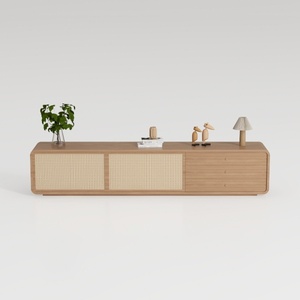
Walker Edison Sasha 4-Door Sideboard Buffet with
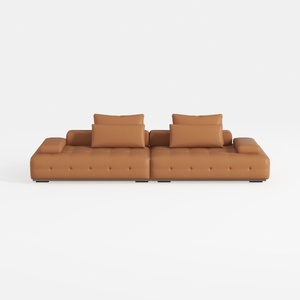

Modern Tufted Leather Oversized Sectional Sofa 3D Model

Rustic Rectangular Coffee Table, 44.8 Inch
Homestyler is your go-to online home design platform! With its user-friendly design tool, stunning 3D renderings, and a treasure trove of design projects, plus informative video tutorials, it empowers you to create beautiful spaces with ease. Redesign your home effortlessly and creatively!
Design Now for FREE
































