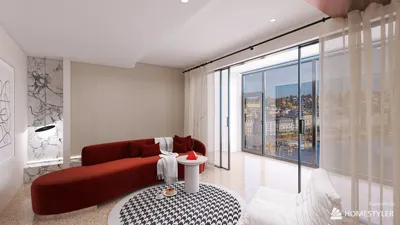


I once assisted a client who envisioned a Texas-themed suite, insisting on including a taxidermy armadillo as a centerpiece—a memorable experience! This peculiar design choice highlighted the importance of creating hotel suites, particularly those with two bedrooms, where daring decisions intertwine with thoughtful planning. Minor adjustments can significantly enhance the luxurious appeal of a suite while staying budget-friendly. Given Houston's diverse mix of business and leisure visitors, adaptability is key.
1. Zoning with Furniture: Establish Separate Living Areas
I approach a two-bedroom hotel suite as a compact apartment: I arrange furnishings to define distinct spaces for living, dining, and sleeping. Positioning a sofa against a low console serves to create a visual barrier while maintaining open sightlines—this arrangement is especially beneficial for families and business groups needing to utilize the suite differently. The benefit is a clear division without requiring construction, but it does necessitate appropriately-sized furniture; oversized pieces can make the space feel cramped.
save pin
2. Flexible Bedding: Adjust Guest Rooms for Multiple Functions
In my experience, adding a Murphy bed or a high-quality sofa bed in the second bedroom is far better than bulky daybeds. This flexibility allows the space to function as a workspace during the day and transform into a cozy bedroom at night. Guests value this adaptability; although housekeeping might need to adapt routines for convertible beds, the benefits in terms of bookings for multifunctional spaces are undeniable.
save pin
3. Built-in Storage and Concealed Amenities
Hotel suites that maintain an uncluttered feel often incorporate clever hidden storage. During a redesign of a suite in Houston, I integrated under-bench drawers and a slim pantry cabinet concealed behind a mirror—guests appreciated the streamlined look. This approach provides a premium aesthetic while simplifying turnover for staff, despite a potentially higher initial carpentry investment. For innovative ideas on practical interior designs, consider using 3D floor planning tools like Homestyler that showcase efficient space-saving solutions.
save pin
4. Layered Lighting for Ambiance and Utility
Effective lighting transforms an ordinary suite into an unforgettable guest experience. I recommend a combination of ambient ceiling lights, task lamps on desks, and accent LEDs around headboards. This multi-layered lighting strategy supports business travelers requiring bright workspaces and couples seeking a cozy atmosphere. While adding multiple circuits can complicate installations, using smart bulbs and dimmers can streamline the process while achieving excellent outcomes.
save pin
5. Incorporating Local Flair with Durable Materials
By integrating local elements such as Houston-themed art prints, Gulf-coast color schemes, or subtle rodeo motifs, you enhance the guest's sense of place without veering into kitsch. I often mix these designs with resilient upholstery and easy-to-clean surfaces since high-traffic areas necessitate durable materials that match well with the overall design. You achieve character and longevity, although sourcing authentic materials may require more extended lead times.
save pin
Tips 1:
To create layout mockups and quick visualizations, I frequently utilize an online room planner to help stakeholders visualize furniture arrangements before making purchasing decisions. This practice minimizes costly missteps and accelerates approval processes.
save pin
FAQ
Q1: What size is ideal for a two-bedroom hotel suite? A1: Typically, a suite size of 700–1,000 sq ft comfortably accommodates living, sleeping, and storage areas without feeling oversized.
Q2: Are Murphy beds sturdy enough for hotels? A2: Contemporary Murphy beds from trusted manufacturers are built for frequent use, but it's advisable to choose commercial-grade mechanisms and implement regular maintenance.
Q3: How can I enhance a suite's luxury feel on a budget? A3: Emphasize textures, layered lighting, and standout artwork—small investments that elevate the perceived quality.
Q4: What flooring options work well for hotel suites? A4: Luxury vinyl planks and porcelain tiles offer durability, ease of maintenance, and guest comfort.
Q5: How essential is separate climate control for each room? A5: Extremely important—individual thermostats enhance guest comfort and can improve energy efficiency with smart scheduling.
Q6: Can regional design features impact bookings? A6: Absolutely. Authentic local details can significantly boost guest satisfaction and distinguish listings. For tangible layout examples, consider exploring a hotel-focused floor planner case study such as those available on Homestyler.
Q7: What ADA compliance considerations exist for two-bedroom suites? A7: Ensure doorways, open floor space, grab bars, and accessible pathways meet ADA standards; refer to the ADA Standards for Accessible Design for specific requirements.
Q8: Should suites include workspace amenities? A8: Certainly—robust Wi-Fi, a comfortable desk, and proper task lighting effectively cater to the needs of business travelers and remote workers.
save pin
Looking to transform your space? Homestyler offers a user-friendly online design tool that lets you create stunning interiors effortlessly. With amazing 3D renderings, a wealth of design projects, and helpful DIY video tutorials, it’s the ultimate platform to bring your home design dreams to life!
今すぐ无料でデザイン
































