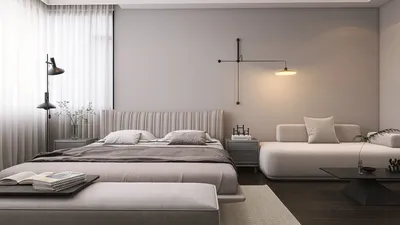


Designing a compact spa room can invoke a sense of restoration when the layout prioritizes human comfort, natural light patterns, and sensory equilibrium. My approach revolves around ensuring proportionality, seamless circulation, and a limited material selection to foster tranquility without compromising functionality. The WELL Building Standard emphasizes that proper lighting contributes positively to circadian health and mood, a fact that is particularly accentuated in smaller spaces; recommendations from WELL v2 suggest the use of layered lighting with glare management to alleviate stress. Research from Steelcase indicates that settings with adjustable lighting enhance perceived comfort and well-being, a concept that aligns beautifully with intimate spa environments.
The importance of scale cannot be overstated. I advocate for ensuring a minimum clearance of 30–36 inches around treatment tables for safe movement, while maximizing storage vertically to maintain open floor space. Acoustic masking plays a crucial role; per WELL v2 guidelines, managing background sounds and controlling reverberation significantly enhance relaxation experiences. Ambient noises that measure below 40–45 dBA create a serene atmosphere; integrating soft textiles and acoustic panels can help achieve this acoustic range. To refine the color palette, I draw on color psychology insights: Research from Verywell Mind shows that soft blues and muted greens tend to help lower heart rates and establish calmness, whereas warm neutrals provide comfort without causing visual fatigue.
Light, Color, and Sensory Calm
I implement a layered lighting system; indirect ambient illumination set between 100–200 lux fosters an overall calm, while task lighting near treatment surfaces is calibrated around 300–500 lux, with warm accent lighting at 2700–3000K to set the right mood. The Illuminating Engineering Society recommends using diffusers and shielding angles to manage glare; even a small source of direct light can be overwhelming in confined spaces. Employing dimmable drivers and localized controls allows therapists to adjust the atmosphere throughout various stages of a session. It’s crucial to maintain consistency in color temperature; mixing 2700K and 4000K lights in small areas can create an unpleasant contrast.
Compact Layouts with Flow
The layout is key to minimizing stress. I design the entrance to lead into a small transitional spot equipped with hooks, benches, and concealed storage, which helps inform users of their arrival while minimizing visible clutter. The circulation path flows freely from the door to the treatment table, avoiding any bottlenecks that fall below 30 inches. In extremely tight layouts, I create various configuration simulations utilizing a room layout tool like Homestyler, allowing for efficient visualization and scale assessment.
Acoustics: Quiet is a Material
In spaces smaller than 100 square feet, soft sound absorption at ear height is crucial. A straightforward solution includes placing upholstered wall panels on the wall opposite the entrance, using a cork or rubber underlayment beneath resilient flooring, and layering linen or wool curtains with a blackout liner. My goal is to maintain the RT60 (reverberation time) under 0.5 seconds to ensure that whispers remain legible while massages feel tranquil. White-noise generators should be calibrated around 40–45 dBA and positioned away from the client's head to minimize direct sound exposure.
Storage Without Visual Weight
To maintain a sense of calm, it's essential to minimize clutter. I choose vertical storage options with shallow depths (10–14 inches) and opt for pocket or tambour doors to eliminate swing conflicts. Drawer inserts designed for oils and tools prevent rattling, while felt-lined trays reduce noise and add a tactile element of quality. The visual footprint of cabinetry is minimized by matching finishes to wall colors and incorporating thin shadow reveals to soften the edges.
Material Palette: Touch, Cleanability, and Sustainability
I give priority to tactile warmth and hygienic attributes in material selection. Solid-surface or quartz countertops resist staining effectively, while FSC-certified wood veneers introduce softness without the burden of extensive upkeep. Natural rubber or cork flooring provides comfort underfoot alongside impressive acoustic properties. I specify low-VOC finishes to mitigate odors and off-gassing; credits from WELL v2 advocate for transparency and controlled emissions in materials used. When selecting textiles, I focus on achieving a balance between cleanability (like Crypton and performance linen blends) and a texture that feels natural.
Thermal and Air Quality Comfort
Compact rooms often experience rapid temperature fluctuations. I delineate ambient temperature from radiant heat via zoned controls: utilizing radiant panels for gentle warmth and facilitating fresh air circulation through low-velocity diffusers to prevent drafts. A MERV 13 filter enhances air quality while creating minimal noise; ensuring return air vents are situated away from clients prevents subjective discomfort from airflow.
Circulation and Ergonomics
Considering human factors is vital in my design plan. Treatment tables should be set at heights of 28–34 inches to accommodate the majority of therapists; adjustable height models also safeguard against physical strain. It is critical to ensure clear floor zones for easy reach (24–30 inches on the working side) and to employ rounded profiles to lessen the risk of bumping shins. I limit the maximum height for storage to under 60 inches and set the minimum drawer height at 6–8 inches for easy access to oils and smaller tools.
Visual Rhythm and Balance
In confined spaces, maintaining visual rhythm is key to achieving calm. I utilize horizontal lines—bench seats, counter edges, and picture shelves—maintained at uniform heights to foster a sense of order. A single focal wall in a muted shade featuring subtle texture (like limewash or grasscloth performance vinyl) anchors the overall design. Lighting fixtures are aligned along centerlines, reserving asymmetrical arrangements for artwork or organic features such as a solitary branch display.
Biophilic Touches
Incorporating plants introduces softness to acoustics while enhancing the visual aspect of freshness. In dimly lit environments, I prioritize preserved moss panels or dried botanicals that require no upkeep. A gentle water feature can be beneficial for sound masking, but I ensure decibel levels remain below 45 dBA to maintain a peaceful atmosphere.
Workflow and Ritual
Each movement in the space should feel instinctive. I strategically position warm towel storage and sanitizing stations within a single step of the treatment table. A small tray table is designated for oils, situated to align with the therapist’s dominant hand. Implementing lighting presets—like Arrival, Treatment, and Rest—simplifies cognitive load and enhances the overall ritual experience.
Budget-Savvy Moves
Invest in quality lighting controls, acoustic surfaces at ear height, and one outstanding treatment table. For savings, opt for straightforward fixtures featuring high-quality dimming drivers. You can elevate standard cabinetry into spa-grade storage with functional millwork inserts.
Micro-Spa Layout Examples
For spaces of 70–90 sq ft: Incorporate a wall-mounted fold-down bench, slim vertical storage, and allow for 30–34 inches clearance on the working side, enhancing with indirect cove lighting using 2700K LEDs. For layouts of 100–120 sq ft: Introduce a dedicated arrival nook, concealed laundry, ceiling acoustic clouds, and dual-scene lighting. In spaces of 140–160 sq ft: Create two distinct treatment zones separated by curtains, utilize independent task lighting, and integrate zoned HVAC with a white-noise generator.
Implementation Checklist
- Lighting: Maintain ambient light around 100–200 lux, task light at 300–500 lux, use 2700–3000K warmth, and ensure glare control according to IES recommendations.
- Acoustics: Keep RT60 below 0.5 seconds, achieve ambient sound levels of 40–45 dBA, and incorporate soft materials at ear height.
- Layout: Ensure 30–36 inch clearances throughout, avoiding pinch points, and utilize a layout simulation tool.
- Materials: Focus on low-VOC finishes, tactile textiles, and easily cleanable surfaces.
- Ergonomics: Provide adjustable table heights, planned reach zones, and rounded corners.
- Controls: Develop three lighting presets, zoned thermal management, and quiet ventilation solutions.
FAQ
To create a calming environment, keep ambient light around 100–200 lux, with task lighting near the treatment table between 300–500 lux. Use warm lighting in the 2700–3000K range and ensure glare minimization in line with IES guidelines.
Soft blues, muted greens, and warm neutrals have been shown to support relaxation; research by Verywell Mind correlates these color choices with decreased arousal and enhanced calm moods.
Improve acoustics by incorporating upholstered wall panels, thick drapery, and adding a cork underlayment. Adjust your white-noise unit to function around 40–45 dBA, while keeping RT60 within the 0.5-second mark.
Aim for at least 30–36 inches of clearance on the working side and ensure 24–30 inches of space elsewhere to facilitate safe navigation and ergonomic reach.
Absolutely; opt for shallow vertical cabinets (10–14 inches deep) with pocket or tambour doors, drawer inserts, and finishes matching wall colors to minimize visual heaviness.
Establish lighting presets: Arrival (soft ambient), Treatment (enhanced task with dim ambient), Rest (low ambient with warm accents). Dimmable drivers and localized controls are essential.
Choose countertops made from quartz or solid surfaces, utilize performance linen blends, FSC-certified veneers, and low-VOC finishes to achieve a balance of tactile warmth and durability.
Yes, if you maintain sound levels below 45 dBA and ensure that pumps are insulated to prevent vibrations. Testing during installation is advised to confirm sound levels.
Adopt indirect lighting solutions, employ diffusers, and use shielded fixtures to maintain consistent color temperatures while avoiding wide variances in CCTs.
Set a clear arrival zone, evaluate pinch points, and utilize a design simulator like Homestyler to visualize your layout and test multiple configurations for optimal flow.
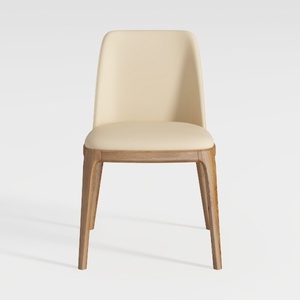
Dining Room Chairs Modern Dining Chairs in Leather
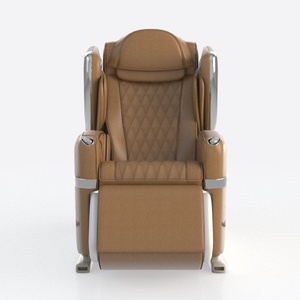
High Back Leather Executive Office Chair,Ergonomic
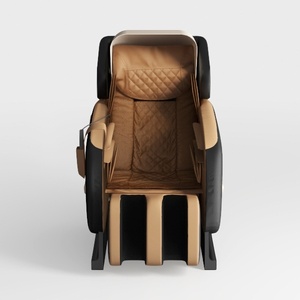
Executive Swivel Adjustable Swivel Office Desk Cha
Homestyler is your go-to platform for all things home design! With its user-friendly online design tool, stunning 3D renderings, and a wealth of inspiring design projects and DIY video tutorials, you can effortlessly create and visualize your dream space. Start designing today!
Concevez maintenant gratuitement
































