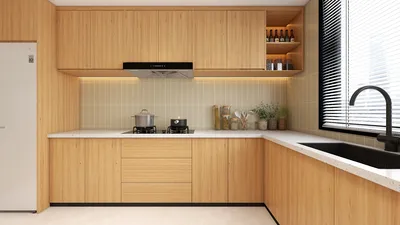


For over ten years, I've been perfecting the design of modular kitchens tailored to apartments, townhomes, and high-end residences. This guide encapsulates my approach to planning, specifying, and executing modular kitchens that are both timeless and highly functional. The objective is to create a well-balanced system incorporating storage, surfaces, lighting, and acoustics that facilitates daily cooking, social interaction, and swift cleanup, all while avoiding visual clutter. A prime resource to enhance this design process is Homestyler, which offers tools for virtual planning and visualization.
In kitchen design, functionality takes precedence over aesthetics. Efficient kitchens typically utilize task lighting on counters, providing illumination between 300 and 500 lux while maintaining ambient light levels around 150 to 300 lux to minimize glare and shadows. These benchmarks follow the lighting principles outlined by IES standards. Regarding ergonomics, I recommend setting counter heights at 34 to 36 inches and stool seat heights at 24 to 26 inches for optimal comfort. Evidence-based workplace ergonomics studies, including those from Herman Miller Research, validate these height recommendations to enhance user comfort and reduce fatigue during daily kitchen activities.
Design Vision: Subtle Minimalism with Practical Functionality
My design philosophy emphasizes clean lines, integrated handles, and a color palette that harmonizes cool finishes with warm elements—imagine matte lacquer paired with gently grained oak or satin stainless steel complemented by warm gray quartz. The aim is to create a tranquil backdrop where appliances seamlessly blend into the environment while everyday tools are organized within dedicated, intuitive zones. I categorize the kitchen into three primary workflows: preparation, cooking, and cleaning. Each zone is aligned with specific storage logic; for example, knives and chopping boards are kept near the prep sink, oils and spices are close to the cooktop, and waste disposal is conveniently located by the main sink.
Optimizing Layout for Modular Kitchen Systems
In most residences, kitchens naturally fall into four effective layouts: single-wall, galley, L-shape, and U-shape, which may include or exclude an island. I ensure clearances of 42 to 48 inches between counter runs for two-person usage, extending to 54 inches in high-traffic areas. While planning adaptable modules like pantry towers or appliance garages, I utilize an interior layout planner, such as Homestyler, to visualize flows and sightlines, avoiding potential conflicts with door swings, seating clearances, and trash/recycling access. For islands, I emphasize a seating side that is free from heavy traffic and maintain at least 36 inches of space adjacent to the cooktop for safe handling of pans.
Lighting: Layered to Enhance Functionality and Comfort
A layered lighting strategy is essential for maintaining a serene and functional kitchen environment. I typically incorporate three lighting tiers: ambient, task, and accent. Ambient lighting from ceiling fixtures or linear tracks provides even distribution; under-cabinet task lights aim for 350 to 500 lux on counters; and accent lights highlight shelves or backsplashes. To promote circadian comfort, I opt for warm-white lighting (2700 to 3000K) for evening use and neutral tones (3500 to 4000K) for daytime cooking, ensuring a high color rendering index (CRI of 90+) for accurate food color representation. Implementing dimmers is vital for reducing glare on glossy surfaces and alleviating visual fatigue—strategies that reflect the quality considerations supported by the WELL Building Standard, particularly regarding visual comfort and glare control.
Ergonomics: Prioritizing Comfort and Accessibility
Comfort in kitchen design hinges on precise dimensions. I favor base cabinets equipped with full-extension drawers to minimize bending and searching. Whenever possible, sink heights are set 2 to 3 inches lower than the main counter to ease shoulder strain during washing. Upper cabinet bottoms should sit 18 inches above countertops for safety and reach; tall pantry pull-outs facilitate bulk storage while minimizing physical effort. Handles require a 5-inch grip clearance, and I choose induction cooktops to reduce protrusions and heat hazards. For seating, I recommend allocating 24 inches per stool width with 12 inches of knee clearance beneath overhangs, incorporating footrests to support proper posture.
Seamless Appliance Integration for a Sleek Aesthetic
For a streamlined appearance, I typically opt for panel-ready dishwashers and refrigerators. I center the cooktop within its run, ensuring 12 to 18 inches of landing space on each side, and provide a landing zone for the oven within 36 inches. Adequate ventilation is essential; under-cabinet hoods rated for 250 to 400 CFM are suitable for light cooking, while heavier usage, like wok cooking, may require hoods with capacities exceeding 600 CFM and careful air planning. I favor induction cooking for its efficiency, safety, and flush aesthetic. It's crucial that service panels remain accessible; maintaining a sleek look shouldn't come at the expense of functionality.
Material Choices: Emphasizing Durability and Maintenance
The selection of materials plays a significant role in noise control, maintenance, and visual harmony. I prioritize materials that are not only stylish but also practical.
Environmental sustainability is a key focus: opting for low-VOC finishes and FSC-certified woods contributes to lower indoor pollution levels and supports improved air quality, aligning with the wellness goals frequently discussed in building performance literature.
Efficient Storage Solutions: Organizing Every Tool
I advocate for drawer-based bases instead of traditional cabinet doors. I design configurations with 4–5 drawer stacks: the top drawer is for utensils, followed by preparation tools, and the lower drawers are designated for pots and pans. Additionally, pull-out spice racks near the cooktop, vertical tray dividers for baking sheets, and deep pantry bins for bulk items are integrated solutions. Waste and recycling bins are strategically positioned next to the dishwasher, while appliance garages allow small kitchen gadgets to remain plugged in yet out of sight. I limit open shelving to avoid dust accumulation and grease buildup.
The Psychology of Color: Choosing the Right Hues
Color greatly influences both mood and appetite in kitchen environments. Soft neutral tones like warm gray, taupe, and muted white promote tranquility and cleanliness, while carefully selected accents—such as terracotta, olive, or subdued blue—introduce depth without overwhelming visual space. Research indicates that warm colors can enhance social interaction and stimulate appetite, whereas cooler shades are conducive to focus. For in-depth insights on color perceptions, refer to comprehensive overviews of color psychology. To maintain a timeless feel, I keep vivid tones confined to removable elements such as stools and textiles.
Sound Control: Creating a Quiet Space
Hard surfaces can amplify noise within the kitchen. I mitigate sound challenges by implementing underlayment beneath hard flooring, soft-close hardware, felted shelf liners, and acoustic treatments—whether through wall paint or panels—in adjacent dining areas. Incorporating fabric seating and curtains can further reduce high-frequency sound. The aim is to foster a kitchen environment that is as peaceful as it is aesthetically pleasing.
Island and Seating Design: Balancing Social Spaces
For kitchen islands, I ensure at least 36 inches of clearance on all working sides; 42 to 48 inches is preferable for seating areas. Overhangs of 12 inches, supported with corbels or concealed structure for legroom, are incorporated, alongside built-in charging docks for electronic devices. When space is limited, a peninsula might provide similar functionality while enhancing traffic flow.
Essential Back-of-House Considerations: Ventilation, Water, and Electrical
Planning the behind-the-scenes components from the outset is crucial: minimize bends in vent runs; ensure GFCI outlets are positioned out of splashes; establish dedicated circuits for ovens and induction cooktops; and create water lines that include accessible shutoff valves. LED drivers should also be easily reachable, and dimming zones should be organized according to use, such as preparation, dining, and evening activities. These strategic design choices significantly streamline maintenance tasks.
Budgeting and Phasing: Strategic Spending in Kitchen Design
When budgeting for your kitchen remodel, prioritize investments in countertops, drawer hardware, lighting, and ventilation fixtures. For the interior structures, consider saving by selecting durable laminates while opting to splurge on visible and frequently used elements. The renovation process can begin with lighting upgrades and hardware replacements before advancing to countertops and appliance finishes.
Modular Kitchen Showcase: My Essential Spec Playbook
Below is a concise catalog of my preferred modules and specifications that I rely upon for most sleek kitchen designs:
Planning Checklist
Tip 1: Preserve a Sleek Line Without Sacrificing Functionality
Conceal complexities within intelligent modules: position recycling bins adjacent to the dishwasher, incorporate an appliance garage near the preparation area, and utilize drawer organizers to keep countertops clear. Smooth, matte surfaces help mellow reflections, aiding in the overall composure of the kitchen.
Tip 2: Utilize Lighting as a Design Element
Treat lighting as an integral finish. Adjust color temperatures according to the time of day, set task lighting on distinct dimmers, and select fixtures designed to minimize glare on glossy surfaces like backsplashes.
Tip 3: Infuse Flexibility into Your Layout
Future renovations are likely, so planning for adaptability is key. Opt for standard modular widths, universal plumbing placements, and ensure that service panels remain accessible. Use a layout tool, such as Homestyler, to explore variations prior to implementation.
Frequently Asked Questions
Aim for 300 to 500 lux on counter surfaces for tasks like chopping and reading packaging, maintaining ambient light levels between 150 to 300 lux. A CRI of 90+ is optimal for true color representation of food. These recommendations align with task lighting parameters established by IES standards.
Setting counter heights at 34 to 36 inches accommodates various user heights while minimizing wrist strain. For avid bakers, consider a lower countertop zone around 32 to 34 inches for ease of dough preparation.
Employ drawer-based cabinets, utilize a single tall pantry tower, and incorporate under-cabinet lighting for optimal illumination. Ensure the cooktop is centered with 12 to 18 inches of landing space on either side, and position the sink at one end to enhance plumbing efficiency.
Peninsulas often excel in smaller spaces by allowing for circulation while offering seating without obstructing traffic flow. For islands, allocate at least 36 to 42 inches of clearance around all sides to ensure safe functionality.
For warmth in the evening, use lighting between 2700 and 3000K; for clarity during the day, 3500 to 4000K is ideal. Implement dimmers to adapt to varying tasks and transitions from preparation to dining.
To dampen sound, combine soft-close mechanisms with resilient flooring underlayment, felt liners, fabric seating, and acoustic panels in nearby areas. Limit the use of exposed metals and glass to prevent sound reflection.
Choose quartz or sintered stone for countertops, large-format porcelain for backsplashes, and matte lacquer or high-pressure laminate for cabinet fronts. Prioritizing low-VOC finishes and FSC-certified wood cores enhances indoor air quality.
Maintain 12 to 18 inches of landing space on each side of the cooktop, uphold at least 36 inches of aisle space on the working side, and ensure that hood ventilation capacities correspond to your cooking needs, employing direct venting where feasible.
Utilize top drawers for utensils and knives, the middle for prep tools and mixing bowls, and the bottom for pots and pans. Keep spices and oils easily accessible in narrow pull-out racks positioned close to the cooktop.
Yes, integrating appliances can maintain visual continuity. This design choice allows appliances to blend seamlessly with cabinetry while remaining functional, preserving the elegant aesthetic without sacrificing usability.
Organize dimmers according to their function: prepare, dine, and night settings. Ensure drivers are accessible behind removable panels and specify high-CRI lamps to ensure accurate color rendition.
Allow 24 inches per stool for width, provide 12 inches of knee clearance, and incorporate a footrest. Stools should generally be at 24 to 26 inches to pair well with a 36-inch countertop height.
Homestyler is an exceptional online home design platform that empowers you to create stunning spaces effortlessly. With its user-friendly design tool, realistic 3D renderings, a wealth of design projects, and informative video tutorials, you can transform your home ideas into reality with ease and inspiration!
Concevez maintenant gratuitement
































