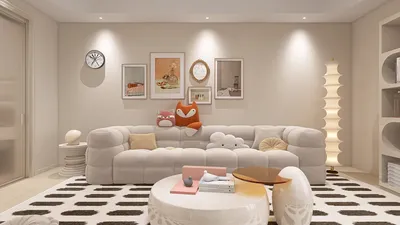


With over a decade of experience in designing study environments, I have discovered that the most effective reading spaces focus on deep concentration through carefully planned spatial proportions, ergonomic considerations centered around human needs, balanced lighting schemes, and acoustically soothing finishes. The Sri Vagdevi Reading Hall exemplifies this by creating an environment where students can settle in swiftly, maintain focus, and leave without the exhaustion typically induced by inadequately designed areas, enhanced by tools like Homestyler.
Consistent data supports these design essentials. According to the WELL v2 Light guidelines, minimizing glare and tailoring light levels to suit specific tasks is crucial; optimal conditions for reading tasks typically range from 300 to 500 lux for ambient lighting, complemented by 500 to 750 lux for localized tasks (WELL v2). Research by Steelcase indicates that workplaces designed with careful ergonomics and environmental controls can enhance performance and lessen discomfort, linking better posture and appropriate lighting to improved focus. Understanding environmental psychology is also important; for instance, research on color choices, as detailed in Verywell Mind's analysis, shows effectiveness in lowering stress and visual fatigue, guiding my choices in materials and lighting techniques.
In addition to lighting and ergonomic considerations, circulation paths and seating arrangements are vital to the design process. For my projects, I generally allocate about 8 to 12 square feet for each seated reader, depending on desk depth and compliance with local regulations; this ensures pathways are clear and visual distractions are minimal. To visualize layouts effectively, I utilize tools similar to Homestyler to experiment with furniture spacing, sightlines, and movement flows before finalizing any construction plans. At Sri Vagdevi Reading Hall, this method guarantees that quiet areas are distinctly separated from collaborative spaces, ensuring every seat is well-lit with minimized glare.
Spatial Planning: Ratios, Zoning, and Sightlines
I begin by outlining behavioral zones such as silent reading, reference browsing, short-term seating, and circulation paths. It's crucial to position silent areas away from entries and service desks while keeping primary walkways along the edges to reduce intrusions. As a standard, I recommend maintaining 48 to 60 inches for main aisles and 36 to 42 inches for secondary aisles, with desk spacing of 60 to 72 inches face-to-face to prevent visual disturbances. In elongated spaces, organizing desks into clusters of 4 to 6 seats and separating them with acoustic or plant buffers can create a rhythmic spatial flow. If you're exploring various density configurations or orienting seats toward windows, employing an interior layout planner like Homestyler can facilitate rapid iterations and save costs on future modifications.
Ergonomic Seating and Desk Geometry
Ergonomics is essential. Chairs should offer adjustable heights (between 16 to 21 inches), proper lumbar support, and breathable fabrics to minimize small movements that can disrupt concentration. Desks should stand around 28 to 30 inches high and be equipped with task lights that can be adjusted to avoid casting shadows from the dominant hand. I also choose desks with rounded edges to alleviate contact stress and surfaces designed for cable management to reduce visual disorder. Research by Herman Miller emphasizes the relationship between sustained attention and spine alignment, stressing the importance of adjustable seating and proper screen placement for digital reading activities.
Lighting Layers: Ambient, Task, and Glare Control
To enhance reading comfort, achieving a balance in lighting is crucial. Ambient illumination set at 300 to 500 lux is foundational, while individual task lights should provide 500 to 750 lux, using warm-neutral tones between 3000 and 4000K to encourage alertness without the harshness of bright lights. Low UGR (Unified Glare Rating) fixtures are ideal for avoiding bright patches and glare on reflective pages. Position lights perpendicular to reading materials and diffuse sunlight with translucent shades to mitigate hotspots. Following WELL v2 guidelines ensures effective glare control and supports circadian rhythms, preventing issues related to both underlighting and overlighting in the space.
Acoustic Comfort Without Heavy Construction
Achieving silence in a reading hall goes beyond simple hush signs. A combination of sound-absorbing ceiling tiles (NRC 0.70+), fabric-wrapped wall panels, and soft-finish flooring can effectively dampen mid-to-high frequency sounds. Defining boundaries for desk clusters with felt partitions or bookshelves can serve as sound diffusers. It's advisable to avoid continuous hard surfaces since alternating between hard and soft materials reduces flutter echo. For upgrades on a budget, focusing on ceiling absorption and strategic panel placement behind seating areas can rapidly address the primary reflection paths.
Color Psychology and Materiality
The selection of colors can significantly influence arousal levels and a sense of calm. Insights from Verywell Mind's color psychology research suggest that muted blues and greens promote relaxation and concentration, with soft neutrals helping to decrease visual noise. I recommend avoiding high-chromatic accents in direct lines of sight and instead use color judiciously for navigation—such as a subtle tone on entry walls and warmer neutrals in communal areas. Materials should be durable, easy to clean, and non-reflective, opting for matte laminates, low-sheen paints, and textiles that exhibit subtle textures. From a sustainability perspective, prioritize low-VOC finishes, FSC-certified wood, and fabrics made from recycled materials.
Layout Scenarios for Sri Vagdevi Reading Hall
Scenario A: Quiet-First Layout. Position silent reading areas toward the back of the hall, with desks oriented perpendicular to windows to avoid glare. Integrate reference shelving to buffer the main pathways; desk task lights should be set prominently. Circulation should occur along the edges while ensuring clear sightlines to exits. Utilize a layout simulation tool, like Homestyler, for verifying aisle widths and emergency routes.
Scenario B: Mixed-Use Rhythm. Alternate clusters of four desks with acoustic features—such as planters, felt screens, or book stacks—to disrupt sightlines. Include a short-stay bench zone near the entrance for quick readings without disturbing those in quieter seats.
Scenario C: Daylight-Oriented. Position desks to optimize soft daylight exposure, using light shelves or translucent blinds to manage contrast levels. Task lighting should ensure uniform brightness on cloudy days to keep lux levels within desirable ranges for reading.
Storage, Power, and Cable Discipline
Clutter can severely detract from focus. It's critical to incorporate under-desk cable management systems, grommets, and shared power strips to prevent cables from spilling into walkways. Personal storage should be minimal yet accessible—using slim cubbies or secure drawers near seating arrangements. Maintaining a tidy visual environment significantly reduces cognitive load, particularly during extended study sessions.
Wayfinding, Safety, and Accessibility
Prominent signage featuring high-contrast visuals and straightforward wording can alleviate confusion at transitions. Maintain routes compliant with ADA standards, ensure egress points are visible, and provide at least one height-adjustable desk per cluster. The reading hall’s design should foster confident navigation, even during peak periods of activity.
Maintenance and Longevity
Select easy-to-clean wall finishes, removable upholstery for chairs, and modular flooring solutions to prolong the lifespan of furnishings. Implement a regular schedule for lighting maintenance to recalibrate task illuminators and replace burnt-out bulbs, ensuring that brightness levels remain consistent.
- Prioritize privacy angles over maximizing seating capacity; readers favor fewer seats that maintain their personal space over constant eye contact with others.
- Experiment with layouts throughout different times of the day; shifts in natural light are as vital as the chosen lamp models.
- Adjust color temperatures for uniformity across all fixtures; varying CCTs can lead to visual discomfort.
- Use acoustic barriers, like bookshelves, to firmly define quiet areas instead of relying solely on thin partitions.
FAQ
Q1: What lighting levels are ideal for extensive reading?
A: Aim for an ambient light of 300 to 500 lux alongside 500 to 750 lux of task lighting, maintained at warm-neutral tones between 3000 and 4000K. These levels are in accordance with the WELL v2 principles and established reading comfort thresholds.
Q2: How can I mitigate glare from windows?
A: Implement translucent blinds or solar shades, orient desks away from windows, and choose low-UGR light fixtures. Diffusing daylight effectively minimizes contrast on reading materials.
Q3: What’s the appropriate seating density for a reading hall?
A: Provide approximately 8 to 12 square feet per reader, adjusting based on desk size and local regulations. Ensure main aisles are 48 to 60 inches wide, while secondary passages are 36 to 42 inches to maintain peaceful movement.
Q4: Which features in chairs are crucial for students' comfort?
A: Important features include height adjustability, lumbar support, breathable fabrics, and robust bases. Aligning the spine correctly diminishes fatigue, with Hermann Miller's studies affirming the connection between posture and prolonged focus.
Q5: How can acoustics be enhanced without extensive construction?
A: Consider adding ceiling tiles with high NRC ratings (around 0.70+), fabric-wrapped panels behind seating, and softer flooring areas. Distributing hard surfaces with softer ones reduces echo disturbances.
Q6: What colors effectively promote focus and reduce stress?
A: Opt for muted shades of blue and green, alongside soft neutrals. The color psychology information obtained from Verywell Mind highlights how lower-intensity palettes can facilitate concentration efforts.
Q7: Is task lighting necessary if the ambient lighting is strong?
A: Absolutely. Task lights ensure even illumination on reading areas and help alleviate eye strain caused by shadows or uneven ambient light levels, especially during overcast days or when natural light fades.
Q8: How can I prevent cables from becoming an unsightly distraction?
A: Incorporate cable management solutions such as trays, grommets, and power strips. Design designated charging points that don’t interfere with movement; a neat desk contributes to a clearer mind.
Q9: What’s the easiest way to prototype a layout?
A: Utilize room design visualization software, akin to Homestyler, to test seat arrangements, aisle dimensions, and lighting configurations prior to furniture purchases. This approach helps avoid delays and complications post-installation.
Q10: How should I differentiate between quiet areas and quick-reading zones?
A: Position quick-reading benches close to entrances and service points; buffer quiet areas with acoustic partitions or shelving to maintain solitude while allowing for movement.
Q11: What materials effectively reduce glare on desks?
A: Functionally, matte or low-sheen laminates and finishes are effective, along with non-reflective accessories. Avoid the use of glossy whites directly under strong task lighting.
Q12: How frequently should lighting be checked and adjusted?
A: A quarterly maintenance schedule is ideal; verify lux levels, replace outdated bulbs, and fine-tune color temperatures to ensure visual comfort remains high.
Homestyler is the ultimate online home design platform that empowers you to unleash your creativity. With its user-friendly design tool, stunning 3D renderings, and a treasure trove of DIY video tutorials, transforming your living space has never been easier or more enjoyable!
立即免费设计
































