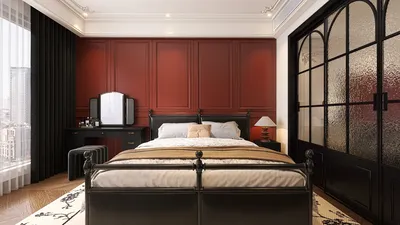


As I enter a spacious hall, I perceive it as a dynamic space designed to adapt to various functions—ranging from weddings and conferences to product launches and galas—while maintaining a sense of comfort, seamless flow, and strong brand identity. The most effective transformations begin with specific, measurable goals, such as optimal lighting settings that enhance visibility and set the right mood, acoustics that ensure clear communication, effortless movement patterns, and durable materials that withstand frequent use. Tools like Homestyler can assist in visualizing these transformations.
Data keeps the design process authentic and reliable. To achieve proper speech clarity, it’s essential to target a reverberation time (RT60) of approximately 0.7–1.0 seconds in larger assembly areas, aligning with performance metrics frequently used in lighting and building frameworks. This is also in line with speech-friendly acoustic standards outlined in WELL v2 and IES recommendations regarding visual comfort and task efficiency. Additionally, research from Steelcase indicates that environments that effectively manage background noise and offer adjustable conditions lead to improved cognitive performance and user satisfaction—principles I apply to create event halls that prioritize attention and overall experience.
The user experience can be significantly enhanced with behavior-driven layouts. Research from Gensler consistently shows that having a clear spatial design and purposeful amenities contributes to better user experiences. This serves as a reminder that guests navigate effectively using sightlines, landmarks, and sound cues—not merely relying on signs. In my designs, wayfinding is optimized by creating a well-defined central path, ensuring a primary aisle of 1.8–2.4 meters (6–8 feet), and highlighting key areas with well-distributed vertical lighting to guide attendees towards focal points like the stage, bar, or exhibition entrance.
Design Vision and Spatial Strategy
When planning for Grand Yashodhan Hall, I focus on a versatile core that is complemented by service areas. These core spaces can shift between banquet, theater, and cabaret configurations, while side areas accommodate catering, AV equipment, storage, and green rooms. This approach ensures the main floor remains clean and turnover is swift. Regarding seating arrangements, I aim for a distance of 0.9–1.2 meters (3–4 feet) between chair backs in banquet setups and 1.1–1.5 meters (3.5–5 feet) in theater aisles to promote safety and comfort. If you're exploring various layouts, utilizing a room layout tool like Homestyler can significantly reduce decision risks by simulating chair layouts, stage configurations, and buffet setups prior to any purchases or construction.
Lighting: Setting Mood and Performance
I utilize a three-tiered lighting strategy comprising ambient light (300–500 lux for setups, 150–300 lux during events), accent lighting (pin spots at 1000–1500 lux on features like centerpieces), and decorative light sources (dimmable pendants or chandeliers at 10–20% for dining). The correlated color temperature is maintained between 2700–3000K for romantic settings and 3500–4000K for conferences. To mitigate glare and ensure uniform lighting, I prefer wide-beam uplights on walls and low-glare downlights with UGR < 19 where feasible, following IES guidelines for visual comfort. Using DMX/DALI control, I can create distinct lighting “scenes” for different phases such as entry, keynotes, dining, and dancing.
Acoustics: Speech First, Music Second
The acoustics of a hall significantly influence speakers’ perceptions regarding clarity. I design with a target RT60 of approximately 0.8–1.0 seconds, incorporating broadband sound absorbers (NRC 0.7–0.9) in upper wall sections or ceilings, while strategically adding diffusion elements at the rear to counter slap-back echo. To manage low-frequency resonances, I employ thicker absorbers or tuned traps seamlessly integrated into fabric panels. Distributed line-array speakers, tailored to the seating layout, ensure consistent sound coverage with minimal overflow. Acoustic barriers with STC ratings between 45–50 assist in creating confidential VIP spaces without compromising sound integrity.
Color Psychology and Brand Expression
Colors evoke emotions faster than any other aesthetic elements. I prefer warm neutrals and muted jewel tones that provide a classic backdrop, allowing for event lighting to narrate the experience. Insights from color psychology indicate that blues tend to soothe, reds can energize, and greens foster rejuvenation—all of which are beneficial for designing key arrival areas, stages for keynotes, and social lounges. To maintain a permanent palette that is both elegant and versatile, I integrate color through lighting effects, décor, florals, table linens, and digital displays, ensuring the hall can transition seamlessly between corporate functions and celebratory events.
Layouts for Every Occasion
For banquet configurations, I allocate 10–12 square feet per guest for round tables, ensuring a minimum of 1.5 meters (5 feet) for service pathways and smooth circulation around structural elements like pillars. In theater mode, I recommend 6–8 square feet per attendee with staggered seating to enhance sightlines; the last row should be positioned at least 1.0 times the screen width away from the display area. For reception arrangements, I suggest placing the bar in a visually appealing location, offsetting the buffet to minimize congestion, and clustering high-top tables near interactive features like photo booths or stage access. Tools like an interior layout planner can be instrumental in evaluating service routes and egress paths effectively.
Stagecraft and AV Readiness
I specify modular stage platforms with heights ranging from 300 to 600 mm, featuring built-in cable management and rear access. A 16:9 LED wall is my preferred choice for ensuring visibility, sized such that the screen height is approximately one-sixth the distance to the farthest viewer. Lectern lighting should have warm tones between 3000–3500K with high CRI over 90 to enhance skin tone representation, while cameras benefit from dimming options that avoid flicker, ensuring pleasing fill ratios around 2:1.
Material Selection and Durability
High-traffic venues require resilient surfaces: I choose solution-dyed carpets with substantial face weight for ballrooms, utilize porcelain or engineered stone at entry points, and opt for veneer panels with robust finishes in high-contact areas. To manage sound without compromising aesthetics, I encase absorbers in textured fabrics and incorporate them into architectural features like pilasters or ceiling designs. When budget permits, I select low-VOC materials that meet wellness standards outlined in WELL v2, enhancing air quality, which guests appreciate subconsciously.
Circulation, Safety, and Human Factors
People instinctively follow edges and light. I ensure that the perimeter is softly illuminated, allowing guests to perceive the room's scale, while brightening entrance and exit points. Primary aisles benefit from additional vertical lighting to enhance facial recognition and safety. Effective wayfinding is not solely graphic-driven; it is bolstered by sensory elements such as scent, temperature, and sound cues. Back-of-house operations require smooth access; doors fitted with soft closers and glare-reducing windows provide safe and discreet connectivity.
Furniture, Rhythm, and Visual Balance
I arrange the room into three distinct layers: the floor area, human movement zones (0.8–2.0 m), and overhead spaces. Maintaining a consistent rhythm with table centers, hanging fixtures, and wall recesses allows expansive spaces to achieve a cohesive feel. Chairs should be lightweight for quick reconfigurations yet supportive enough for 60–120 minutes of seated engagement; cushioned seating with lumbar support reduces restlessness and sustains guest focus.
Operations: Turnover and Storage
Efficient storage solutions can dramatically enhance hall adaptability. I allocate 10–15% of the usable area for concealed storage of chairs, linens, staging equipment, and AV materials. High-quality casters and well-labeled carts facilitate rapid turnovers. Power and data floor outlets arranged in a 6–8 m grid allow vendors the flexibility to connect wherever needed without crossing pathways with cords.
Sustainability Moves That Pay Back
Implementing high-efficiency LED lighting, occupancy sensors in service areas, and demand-controlled ventilation can significantly lower operating expenses. Choosing durable finishes, versatile stage designs, and adaptable furniture can extend material lifespans. Where feasible, I opt for carpet tiles made from recycled materials, simplifying maintenance in high-traffic sections.
Concept Scenarios for Grand Yashodhan Hall
I envision a warm ambiance set at 2700K, with focused lighting on centerpieces, mirrored elements to enhance sparkle, and a dance floor that aligns with the hall's architectural axis. Drapery positioned behind the stage functions as an acoustic buffer and romantic visual element.
I foresee a lighting setup between 3500–4000K with an emphasis on vertical illumination for speaker walls, a line-array sound system, and positioning confidence monitors adjacent to the lectern. Sponsor exhibition booths encircle the venue, offering consistent 500 lux task lighting for optimal visibility.
I conceptualize grid-connected power supplies, adaptable lighting tracks, and versatile kiosks for displays. Clear circulation routes will be accentuated by overhead linear lighting and contrasting carpet patterns that suggest navigational pathways.
Final Touches That Elevate the Experience
Incorporating a signature scent upon arrival, a welcoming bar area with strategically placed lighting for optimal service, and biophilic elements such as plants that absorb sound while creating a calming environment are essential. Maintaining a flexible approach to control systems—pre-programmed lighting scenes for the staff along with manual overrides for AV technicians—enables precise adjustments during live events.
FAQ
Q1: What lighting levels should be aimed for in a multipurpose hall?
A: For setup, aim for ambient lighting at 300–500 lux; during dining or ceremonies, 150–300 lux fosters intimacy. Accent lighting on key elements can reach 1000–1500 lux. For social functions, a warm 2700–3000K is preferable, while 3500–4000K suits conference settings, alongside dimming capabilities and scene controls.
Q2: How can I enhance speech clarity without overly dampening the room's acoustics?
A: Target an RT60 of approximately 0.8–1.0 seconds by utilizing broadband absorption materials on ceilings and upper walls, and incorporate diffusion elements in the back. Distributed speaker systems aligned with seating arrangements also aid in maintaining sound clarity while softening hard surfaces at lower levels.
Q3: Which spacing standards ensure user comfort during movement?
A: Maintain a distance of 1.8–2.4 m (6–8 ft) in primary aisles, 1.1–1.5 m (3.5–5 ft) for secondary aisles, and 0.9–1.2 m (3–4 ft) between chair backs during banquet setups. Always verify local codes regarding egress requirements.
Q4: What color schemes work optimally for a hall serving both weddings and corporate events?
A: Utilize a neutral and warm-toned base with calculated contrasts. Implement varying colors through lighting and transient decorations. Colors like blue foster calmness, red energizes, and green promotes restoration—widely supported by color psychology studies.
Q5: What AV infrastructure ensures the space remains relevant in the future?
A: Consider installing floor boxes on a 6–8 m grid, providing ample conduit paths, DMX/DALI lighting controls, and server facilities with climate control. Ensure LED wall screens are strategically sized such that their height is roughly one-sixth of the distance to the farthest viewer.
Q6: How much storage capacity should be designed into the venue?
A: Set aside 10–15% of the usable space for storing chairs, tables, linens, staging, and AV gear. Provide clearly marked carts, designated racks, and unobstructed BOH pathways for faster service turnovers.
Q7: What type of acoustic partitions are ideal for breakout lounges?
A: Look for mobile wall systems with STC ratings between 45-50 to effectively manage sound dispersion in operational areas. Combining these with ceiling absorptive treatments and perimeter drapery provides balanced sound control.
Q8: How can I test seating arrangements and flow prior to committing?
A: Use a layout simulation tool to model multiple configurations such as banquet, theater, and reception setups, confirming egress paths and visual sightlines. This mitigates expensive last-minute modifications in planning.
Q9: Which materials effectively balance durability and aesthetics?
A: Solution-dyed carpet tiles, durable porcelain or engineered stone at entryways, upholstery that withstands wear, and veneered acoustic panels are excellent choices. Prioritize low-VOC finishes to meet wellness goals.
Q10: What lighting strategy best accommodates both live audiences and cameras on stage?
A: Utilize soft key/fill lighting with a 2:1 ratio, high-CRI fixtures rated around 3000–3500K, and ensure dimming capabilities are flicker-free. Incorporate vertical lighting on backdrops to effectively distinguish speakers from their surroundings.
Q11: How can I minimize glare while still allowing for visual vibrancy?
A: Specify low-UGR downlighting for general illumination, and then add sparkle through controlled-beam accent lights and decorative fixtures dimmed to suit the event's atmosphere. A proper balance of horizontal and vertical lighting enhances guest comfort.
Q12: Which sustainable practices yield the quickest financial returns?
A: Implement LED lighting upgrades, efficient control systems like occupancy and daylight sensors, and wield powerful modular designs that reduce replacement cycles for maximum financial and experiential returns.
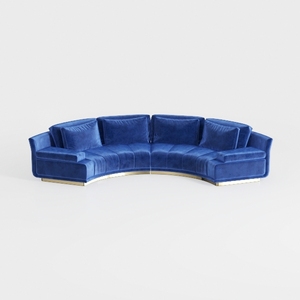

Modern Navy Velvet Gold Base Curved Sectional Sofa 3D Model
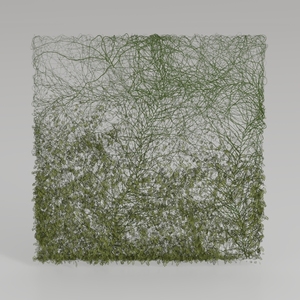
Natural Green Vine Wall Panel Decorative 3D Model

Modern Brown Leather L-shaped Sectional Sofa With Throw Pillows 3D Model
Discover the magic of home design with Homestyler! This user-friendly platform offers a powerful online design tool, stunning 3D renderings, and a treasure trove of DIY video tutorials. Whether you're a novice or an expert, transform your spaces into dream homes effortlessly!
Zaprojektuj teraz za darmo
































