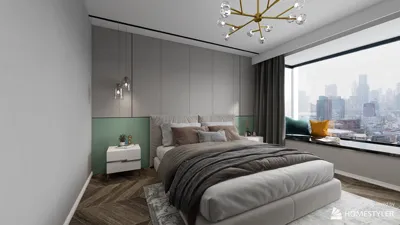


I have created numerous gaming-friendly environments, and Minecraft themes stand out due to their inventive modularity and vibrant visual appeal. By converting pixels into tangible materials, lighting options, and user-friendly layouts, you can transform an ordinary bedroom or study into an engaging space that fits real-life needs. The key lies in striking a balance between playful design and comfort—soft edges where necessary, robust materials in high-touch areas, and a lighting strategy that ensures relaxation during prolonged sessions. Utilizing tools like Homestyler can help visualize these concepts effectively.
Effective room design prioritizes human comfort and adheres to established standards, even in playful settings. According to WELL v2 guidelines, general task lighting should be maintained between 300–500 lux, while task-specific lighting can reach 500–1,000 lux without causing glare; these principles highlight the importance of managing light to minimize eye strain during screen usage. Behavioral studies, like those conducted by Steelcase, emphasize how adaptable environments enhance engagement and wellbeing—qualities that reflect Minecraft's core principles, and your space should embody this adaptability. For those wishing to understand how a flexible workplace boosts comfort, the Steelcase research library serves as an excellent resource.
Minecraft Color Palette and Material Strategy
Consider the color palette as an extension of the game’s biomes: utilize soft neutrals such as stone and birch for larger surfaces, and inject vibrant accents like grass green, nether red, and lapis blue in smaller areas. As noted by Verywell Mind, green is linked to balance and rejuvenation, making it an ideal choice for curtains, rugs, or plant walls to alleviate screen fatigue. Limit high-chroma colors to 20–30% of the visible space to prevent visual overload, and utilize various materials such as wool, felt, cork, and matte laminates to achieve that pixelated appearance without harsh reflections. For durability, opt for washable matte paints and upholstery-grade fabrics rated for at least 30,000 double rubs for gaming chairs and poufs.
Block Walls, Pixel Art, and Feature Panels
Installs featuring a block wall instantly evoke Minecraft without appearing childish, especially when utilizing refined geometry. Achieve a 3D voxel appearance with staggered wood tiles in birch, oak, and charcoal MDF, ensuring that projection depth does not exceed 30–40 mm to maintain circulation flow. For a cost-effective alternative, create a painted grid with 6–8 inch squares in three shades per color family (for instance, stone: cool gray, medium gray, warm gray). Pixel art prints featuring motifs like hearts, tools, or creatures are most effective when displayed in clusters of three or five, establishing visual rhythm across the space.
Lighting: Ambient, Task, and Glow Effects
The realm of Minecraft thrives on torches, lanterns, and glowstone, and in real-world rooms, the aim is to achieve layered lighting with minimal glare. Comply with IES-recommended shielding angles and incorporate diffusers on LED strips. For ambient lighting, aim for 300–500 lux using cove LEDs or fabric drum pendants. Task lighting should provide over 500 lux at the desk with a high Color Rendering Index (CRI) adjustable lamp. For accent lighting, utilize RGB strips set to warm whites (2700–3000K) during evening hours; reserve saturated colors for short bursts or celebratory events. Maintain gentle luminance ratios—bright elements should not surpass 3–5 times the ambient lighting to avoid veiling reflections on screens.
Functional Zones: Build Like You Play
Divide the room into zones based on survival skills: crafting (desk), storage (shelving), resting (bed), and displaying (trophies and builds). I prefer positioning the desk against a wall to reduce distractions, complemented by cable management systems and pegboards for organizing tools. Storage solutions like cube shelving, designed in 12–15 inch modules, resonate with the Minecraft aesthetic while enhancing organization. Ensure a clear circulation space of at least 30–36 inches around the bed and primary desk area. If you are redesigning a furniture layout or evaluating flow, utilizing a room layout tool such as Homestyler can aid in simulating dimensions and movement prior to making any commitments.
DIY Projects: Easy Wins with Big Impact
Layer a green shag rug atop a brown flat-weave base, and finish the edges with darker felt squares to maintain slip resistance using a rug pad while ensuring the pile height doesn’t interfere with door movement.
Assemble cube shelves arranged in a checkerboard pattern using three colors, two neutrals, and one accent color. Alternatively, consider wrapping existing shelves with removable vinyl squares (about 2–3 inch modules) to mimic pixel art.
Transform a standard table lamp into a 'redstone' inspired piece by adding a laser-cut acrylic shade featuring square patterns and a warm-dim LED bulb, ideally set at 2700–3000K in the evening to promote relaxation.
Select duvet covers in stone gray complemented by pillow shams in leaf green and river blue. The quilted grid pattern naturally reinforces the block aesthetic.
Paint a cork board in the iconic Minecraft pattern and utilize it for pinning quests, schedules, and build plans; cork provides added acoustic benefits in compact spaces.
Ergonomics and Human Factors
Creating a gamer-friendly environment should not compromise posture. Ensure monitor tops are aligned at eye level or slightly below, keep elbows bent at 90–110 degrees, and maintain lumbar support with a chair that allows adjustments for backrest and seat depth. A desk height of 28–30 inches is comfortable for most adults, and if your feet do not rest flat on the ground, consider pairing it with a footrest. Arrange controllers and tools within primary reach (approximately 16–18 inches from the body) and position heavier items, such as gaming consoles, lower to minimize strain during lifting.
Acoustics and Noise Management
Amid the sounds of mechanical keyboard clicks and cheers after a gaming victory, rooms can benefit from the introduction of softer surfaces. Mix area rugs, fabric-based blinds, upholstered headboards, and cork panels to absorb mid to high frequencies. Positioning shelves filled with books along reflective walls can help diminish echo effects. For those who stream, having a dense curtain behind the camera setup can enhance both sound quality and the overall background appearance.
Sustainable Choices for a Long-Play Build
Whenever feasible, select FSC-certified wood and low-VOC paints to maintain improved indoor air quality. Implementing LED lighting can reduce energy consumption and excess heat, also opting for dimmable drivers to extend the lifespan of fixtures. Modular furniture options can lower waste—swap individual cubes rather than replacing entire units. Incorporating plants such as snake plants and pothos enriches the room with a nature-inspired feel, promoting fresh air and providing a calming visual element.
Styling, Scale, and Visual Balance
Given the strong visuals inspired by Minecraft, it's crucial to control scale. Utilize larger block motifs on a designated feature wall while keeping surrounding decorations minimal. Repeating colors in at least three different areas (such as a rug, pillow, and shelf accent) can help stabilize the overall palette. Ensure there is negative space around focal points—maintain at least 6–8 inches between clusters of wall art and 3–4 inches between objects on shelves—to create a composition that feels clean rather than cluttered.
Safety and Kid-Friendly Considerations
Round off sharp edges on DIY blocks, secure tall shelving units to wall studs, and utilize appropriately rated power supplies for RGB lighting. Flame-retardant fabrics for lampshades should also be a priority, and ensure proper ventilation surrounding consoles and PCs. In shared spaces, label storage areas with icons—tools, bricks, plush mobs—to facilitate easy organization and cleanup.
FAQ
Aim for a task lamp that provides 500–1,000 lux while controlling glare; ambient lighting should be set at 300–500 lux to enhance comfort throughout the room.
Opt for neutral base colors (such as stone gray and birch) while limiting saturated accent colors (grass green and lapis blue) to 20–30% of the overall visible area.
When utilizing lightweight MDF or foam panels, ensure a maximum projection depth of 30–40 mm, avoiding any obstructions to door swings or circulation paths.
Position the monitor's top edge at or slightly below eye level, keep elbows bent at 90–110 degrees, provide lumbar support, and maintain desk heights around 28–30 inches for optimal comfort for most adults.
Combine ambient, task, and accent lighting effectively; restrict saturated RGB colors to brief periods and prefer warm whites (2700–3000K) during evening hours.
Utilize matte paints, felt, cork, and fabrics designed for upholstery (especially those with a minimum of 30,000 double rubs) to achieve both texture and longevity in your design.
Incorporate a mix of rugs, fabric blinds, upholstered headboards, and cork panels; bookshelves filled with books can also assist in breaking up echo sounds within the room.
Select FSC-certified wood, low-VOC paints, dimmable LED lighting, modular furniture pieces, and easy-to-maintain plants like snake plants for a sustainable approach.
Clearly define different zones (crafting, storage, resting, displaying) and utilize an interior layout planner to ensure smooth circulation space.
Absolutely! Keep the palette limited, use tonal gradients strategically, and cluster items in odd numbers to establish visual flow.
For guidelines and research related to comfort and lighting standards relevant to home configurations, consult WELL v2's performance recommendations and the informative insights available from Steelcase studies.
Homestyler is your go-to online home design platform! With its user-friendly design tool, stunning 3D renderings, and a wealth of DIY video tutorials, you can effortlessly create and visualize your dream spaces. Transform your home design ideas into reality today!
Zaprojektuj teraz za darmo
































