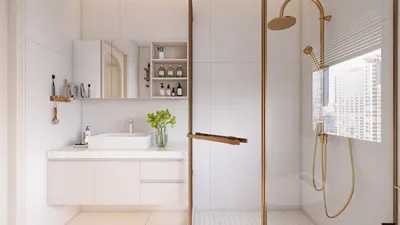


In my experience designing green rooms for various performance spaces, from local community theaters to expansive auditoriums, I've found that the most effective environments have one key element in common: they proactively address the needs of individuals experiencing stress. A well-designed green room can soothe nerves, optimize preparation time, and facilitate seamless transitions to the stage. Attention to details such as lighting, acoustics, ergonomics, materials, and layout significantly enhances both comfort and performance, making tools like Homestyler invaluable in the planning process.
Research consistently supports the importance of thoughtful design elements. According to WELL v2, an ambient light level of 300–500 lux is ideal for general spaces, with task lighting specifically tailored to functionality, minimizing glare to maintain visual comfort. Studies conducted by Steelcase demonstrate that our surroundings greatly impact cognitive function and stress levels. Providing performers with adjustable lighting is critical, enabling them to shift from a relaxing, low-glare atmosphere to brighter task lighting as needed, a feature easily configured through software like Homestyler.
Acoustic management in these spaces is just as vital. For optimal sound strategies, auditoriums should rely on guidance from the Illuminating Engineering Society rather than the Institute of Electrical Engineers. Steelcase's insights into noise levels affirm that continuous noise can increase fatigue and stress. To create effective green rooms, I aim for background noise levels between NC-25 and NC-30, achieved through the use of sealed doors, acoustic panels, and sound-absorbing surfaces without a bulky feel.
Layout and Flow Focused on Performance
An effective green room design promotes smooth movement, featuring wardrobe racks, makeup stations, lounge areas, and a compact kitchenette that moves seamlessly together. For complex productions, I strategically outline circulation paths and staging areas, ensuring easy access to the stage and restrooms. When conceptualizing your layout, start with a detailed diagram and consider using a virtual layout tool, such as Homestyler, to analyze traffic patterns, seating layouts, and changeover zones while adhering to safety regulations.
Lighting: Enhancing Comfort, Preparation, and Precision
My lighting design incorporates three layers: ambient, task, and accent. The ambient setting should fall between 300–500 lux, utilizing warm-white tones (2700–3000K) before performances to create a calming atmosphere; task lighting at makeup stations operates in the 4000–4500K range for optimally accurate color rendering; dimmable accent lights are used to establish mood and relaxation pre-performance. The IES emphasizes glare reduction through diffusers and proper angles, essential for both overhead fixtures and makeup mirrors. I avoid mirrors that are directly under downlights, opting instead for evenly spread vertical lighting around the face to reduce unwanted shadows.
Color Psychology and Material Selection
It’s been established that colors like soft blues and muted greens can induce tranquility, while neutral shades lend stability to the space. In green rooms, I favor a palette of soft greens, gentle taupe, and slate accents, steering clear of harsh white tones that may cause excessive glare and feel sterile. Moreover, materials should be resilient and pleasing to the touch: opting for stain-resistant fabrics, acoustic panels, wool-blend carpets for sound absorption, and durable, rounded-edge millwork to prevent fabric snags during quick changes. Adopting low-VOC finishes ensures consistent air quality, guided by WELL v2 standards for VOC levels. For durability, I choose upholstery rated for high-abrasion performance (≥50,000 double rubs).
Ergonomics: Prioritizing Comfort and Functionality
Given the episodic nature of backstage work, furniture needs to cater to brief periods of sitting, focused prep, and quick movement to the stage. Chairs should provide supportive backrest angles between 90–110°, with shallow seats for short sessions, while makeup stations should be set at heights of 28–30 inches, with mirrors positioned for easy viewing at 48–52 inches above ground for most adults; stools should also incorporate footrests to alleviate leg fatigue. I also incorporate strategic plug placements and cable management to minimize tripping hazards. Maintaining aisles of 42–48 inches is essential for smooth transitions, particularly near racks and garment bins.
Acoustic Privacy and Comfort
Green rooms need to feel insulated from stage noise while still allowing for necessary communications. To achieve this, I specify solid-core doors with proper seals and acoustic panels rated between NRC 0.7 and 0.9 on reflective surfaces. Soft furniture is evenly distributed across walls and corners to absorb sound without creating excessive reverberation. The HVAC system should operate quietly at or below NC-30, and diffusers must be strategically placed, avoiding locations directly next to mirrors to eliminate movement noise. For privacy, installing translucent screens near preparation areas can redirect sightlines without constraining the space.
Spatial Ratios and Visual Harmony
A space conveys peace when its layout feels consistent. I strive for a distribution of 60% soft lounge areas, 30% work and prep spaces, and 10% flexible storage tailored to the specific performance type. The lighting plan should follow a rhythmic pattern, with aligned fixtures, consistent vertical lighting at mirrors, and layered dimming to guide performers through pre-show transformations. Visual anchors—such as an upholstered bench, clusters of plants, or an eye-catching art wall—create orientation points and provide a reassuring “home base” for performers between stages.
Kitchenette, Hydration, and Restorative Space
Ensuring access to hydration and light snacks is crucial for maintaining energy throughout performances. A compact kitchenette outfitted with filtered water, a kettle, a mini-fridge, and easy-to-clean surfaces keeps the flow of activity organized. It is prudent to position the kitchenette away from costume racks to prevent any potential spills. I utilize soft under-cabinet lighting and install quiet, soft-close cabinetry to reduce noise disruptions.
Integrating Technology and Communication on Stage
Clearly defined relays and cues are essential. I incorporate a straightforward AV panel with a monitor on a pivot arm, low-latency audio connections, and discreet cue lights. Screen brightness should be moderated (120–150 cd/m2) to prevent glare; adjustable audio levels are necessary to avoid startling performers between cues. Ample power outlets and USB-C hubs at every station help keep any cord clutter at bay, while also allowing for a secure drawer for phone charging to prevent loss and distractions.
Emphasizing Sustainability and Durability
Opting for finishes that are built to last is crucial. Utilizing recycled acoustic panels, FSC-certified wood, and paints low in volatile organic compounds supports overall air quality without compromising utility. Easily replaceable LED modules help simplify maintenance; CRI 90+ lighting guarantees color accuracy for costumes and makeup. I also steer clear of shiny flooring options; semi-matte resilient surfaces minimize glare and slip hazards, making the space safer.
Storage Solutions, Wardrobe Management, and Quick-Change Planning
Using mobile racks with locking wheels, labeled storage bins, and strategically placed quick-change areas near the stage entrance alleviates potential disorder. Where there is enough space, I design dual prep lines for performers—one for those entering and one for those departing—to mitigate congestion with a neutral buffer zone. Including a compact, enclosed area for costume repairs—equipped with task lighting and magnetic tools—can save valuable minutes and prevent delays.
Safety, Accessibility, and Code Compliance
Maintaining clear and visible exits is imperative: well-illuminated signage, contrasting floor colors near thresholds, and tactile indicators at step edges are essential for safe navigation. ADA-compliant counters and at least one accessible workstation guarantee equity in preparations. Implementing rounded corners, shrouded bulbs, and proper cable management also enhances safety. In addition, using flame-resistant upholstery and curtains is crucial; confirming compliance with local safety codes is necessary for all materials utilized.
Practical Testing: Calibration Before the Big Night
I conduct rehearsals in the green room, setting lighting scenes, verifying lux levels at mirrors and lounge areas, and assessing noise levels from HVAC systems while also analyzing circulation during quick-change drills. Gathering input from performers regarding seating comfort, mirroring clarity, and sound levels is vital for making any necessary adjustments. Devoting a few hours to this process yields significant benefits for smoother events and more relaxed performers.
References and In-Depth Research
For additional insights into lighting standards and human-centered design principles, resources like IES standards and WELL v2 guidelines on light, air quality, and material use offer extensive checklists and performance criteria that can seamlessly be integrated into backstage environments.
Common Queries
To maintain comfort in green rooms, ambient lighting should be maintained around 300–500 lux, complemented with makeup task lighting in the 4000–4500K range for optimal color accuracy. Proper dimming and glare reduction are crucial to minimize eye strain.
Combining plush upholstery, NRC 0.7–0.9 rated acoustic panels, and absorptive rugs while ensuring sealed doors will vastly improve sound quality. Distributing sound-absorbing materials effectively is more efficient than completely covering walls, and HVAC systems should operate at NC-30 or below.
A calming environment can be achieved with soft greens, slate blues, and balanced neutral tones that alleviate stress and visual fatigue. Avoid bright white or saturated red, as they can contribute to increased glare and anxiety.
Counter heights should be set at 28–30 inches, with mirrors positioned to allow for eye-level viewing at 48–52 inches. Optimally, lighting should surround mirrors with vertical configurations, while offering footrests and side outlets to clear up cable clutter.
Ensure circulation aisles of at least 42–48 inches are clear, and keep lounge and prep areas distinct while positioning wardrobe racks nearby but not obstructing pathways to the stage. Using an interior layout planner, such as Homestyler, will help in assessing density and effective adjacencies.
A program feed monitor with adaptable brightness, low-latency audio connections, cue lights, and plenty of outlets is essential. Keeping a lockable drawer for phone charging helps reduce clutter and potential distractions.
Choosing upholstery rated for high-abrasion (≥50,000 double rubs), semi-matte flooring to avoid slips, and low-VOC finishes are critical for longevity and safety. It’s also important to utilize CRI 90+ LEDs, ensuring color accuracy in both costumes and makeup applications.
Incorporating ADA-compliant counters along with at least one accessible workstation is essential while ensuring clear egress with tactile guidance. Maintaining unobstructed pathways and access to control systems is important.
The kitchenette should be placed away from the wardrobe area and feature filtered water, a compact refrigerator, and warm under-cabinet illumination. Surfaces should be durable and easy to clean, along with quiet hardware to minimize noise.
Finally, to optimize your space for real use, measure lux levels at stations, analyze HVAC sounds, practice quick-change routes, and gather feedback from performers. This assessment allows fine-tuning of dimming levels, seating configurations, and storage organization for maximum efficiency.

WestinTrends Malibu 29 Inch Outdoor Bar Stools
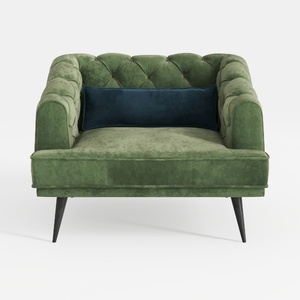
Modern Green Velvet Tufted Armchair with Accent Pillow 3D Model
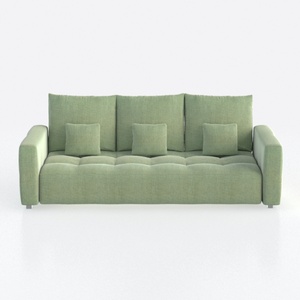
Minimalist Green Fabric Tufted Three Seat Sofa 3D Model
Homestyler is your go-to online platform for all home design needs! With its user-friendly design tool, stunning 3D renderings, and a wealth of inspiring video tutorials, transforming your ideas into reality has never been easier. Start creating your dream space today!
Design Now for FREE
































