

I create outdoor shelters using the same principles as I do for compact cabins: focusing on thermal efficiency, ergonomics, and ease of maintenance. A well-insulated dog house ensures that small breeds remain protected during heat waves, heavy rain, strong winds, and freezing temperatures. Proper thermal management is crucial, as it can significantly influence stress levels, sleep quality, and joint health for pets, particularly those with a smaller mass and higher surface-area-to-weight ratios. Utilizing a design tool like Homestyler can help visualize these elements effectively.
When setting comfort objectives, it's essential to base them on real standards. For canine shelters, maintaining a consistent interior temperature (around 45–75°F based on coat type and breed) is vital. According to WELL v2 Thermal Comfort guidelines, occupant contentment increases when temperatures remain stable and drafts are minimal, which is equally true for smaller animals. I adhere to the Illuminating Engineering Society’s regulations for outdoor lighting, employing warm-white LEDs in the range of 2700–3000K with low glare to ensure soft nighttime illumination—this aligns with IES's optimal practices for visual comfort. Moreover, color influences behavior: research from Verywell Mind indicates that warm shades promote calmness, prompting me to design interiors in neutral, warm tones to foster relaxation and rest.
The ergonomics of small dog houses are often undervalued. Drawing inspiration from Steelcase’s studies on human micro-movements, I design for efficient canine circulation: ensuring unobstructed entry, a turning radius that accommodates curled sleeping positions, and a floor height that eases joint strain. For dogs weighing between 10–20 pounds, I aim for an internal space of about 22–28 inches deep, 18–24 inches wide, and 18–22 inches high, with an entry opening of 8–10 inches wide and 10–12 inches high, customized to accommodate breed chest girth. This design approach enhances mobility while minimizing heat loss through oversized openings.
Thermal Envelope: Effective Insulation
I approach dog house construction as if crafting a miniature thermal envelope. I recommend using rigid foam (polyiso or XPS) or high-density mineral wool at 1–2 inches for the walls and roof. It's essential to create a continuous insulation layer with taped seams, as thermal bridges at corner studs can lead to rapid temperature drops. In hot climates, consider adding a ventilated roof gap or a radiant barrier beneath the roof deck. For colder areas, incorporating a double-door vestibule (an exterior flap combined with an interior baffle) can dramatically reduce convective heat losses.
Flooring and Managing Moisture
Elevating the floor by 2–4 inches is crucial to prevent ground moisture and enhance air circulation. I recommend lining the floor with closed-cell foam underlay topped by a durable, non-slip, washable mat. Avoid using bare wood for the interior, as urine and humidity can deteriorate it. Implementing a slight rearward slope (around 1–2%) toward a discreet drainage port facilitates quicker cleaning and prevents damp bedding. Furthermore, selecting materials with low VOCs and easy-clean properties is important; sustainability plays a key role, and durable components help minimize waste.
Ventilation Without Unwanted Drafts
Small dogs typically have heightened sensitivity to drafts. Thus, I design cross-vent openings high on opposite walls (close to the roofline) to facilitate air exchange above the sleeping area. In winter, I keep these vents minimal and depend on a snug door flap; during summer months, I incorporate larger screened vents along with a shaded entry to maintain airflow without exposing bedding to direct wind. A removable summer vent insert provides flexibility according to the season.
Lighting and Nighttime Comfort
Utilizing warm, low-lux lighting is helpful for nighttime orientation. A battery-operated LED puck light featuring a frosted diffuser and in the 2700–3000K spectrum minimizes glare and lessens stress. It should be positioned to avoid direct sight lines. For outdoor path lights, keep the illuminance low to prevent disturbance to neighbors and wildlife while ensuring safe navigation.
Color and Behavioral Signals
According to color psychology, warm neutrals (such as ecru, camel, and soft taupe) can produce a calming effect. Inside the dog house, I steer clear of bright reds or blues that could provoke stimulation in confined spaces. The exterior, however, can carry more vibrant hues; I ensure a balance of contrast to create an easily visible entryway, as dogs navigate their environment better when there’s moderate differentiation between door trim and wall colors.
Dimensions, Entryways, and Bedding Strategies
Proper sizing is essential. Oversized houses tend to lose heat quickly, whereas undersized ones can limit posture. I often use cardboard mockups to test sizes, allowing the dog to make a natural circle before settling down. For bedding, I suggest a layered approach that includes a moisture-wicking base, a supportive foam core, and a removable fleece cover. In frigid climates, adding a mylar-lined pad that reflects body heat can enhance warmth.
Roof Design, Overhangs, and Weather Protection
A sloped or shed-style roof with a 4–8 inch overhang protects the entryway from weather elements. Including a flexible vinyl or neoprene flap can block winds; it should be trimmed to a length that allows the dog to push through easily. In areas with heavy rainfall, a gutter drip edge is advisable to reroute runoff. Ensure that all fasteners are stainless or coated to prevent corrosion over time.
Heating and Cooling Enhancements
I prioritize passive solutions first. In extreme cold, a low-wattage, chew-resistant heating pad, specifically rated for pets and equipped with an internal thermostat, can be used underneath a washable cover. It’s important to monitor usage. For heat management, shade is crucial—adding a small pergola, vegetation, or a reflective roof finish can greatly help. Never rely solely on sealed interiors without adequate ventilation, as this can quickly lead to heat stress.
Planning Layout for Compact Yards
For compact yards, it’s important to carefully consider the micro-site: position the entry away from prevailing winds, maintain at least 8–12 inches of clearance from fences for airflow, and avoid placing the house in direct afternoon sunlight. I often utilize room layout tools like Homestyler to pre-visualize placement, simulating orientation and circulation before construction begins.
Maintenance, Hygiene, and Durability
Designing with maintenance in mind is essential: features such as wide-open roof hinges or removable wall panels, easy-to-clean surfaces, and sealed corners make a big difference. Select finishes that are UV-stable and utilize weatherproof sealants. Seasonal inspections should be a routine—checking conditions of flaps, vents, and bedding is key. A small commitment to maintenance helps keep the internal microclimate stable and healthy for the pets.
Safety and Ergonomic Considerations
Ensure that electrical components are placed outside the dog's reach, and route cords through protective conduits. Reduce interior protrusions as much as possible; rounded corners can help prevent scrapes. The entry height should limit effort for the dog—if a pet seems hesitant, consider adding a gentle ramp with a textured surface.
Choosing Materials Responsibly
Opt for FSC-certified exterior plywood or recycled HDPE panels to ensure durability and moisture resistance. Use low-VOC paints and sealants to maintain a healthy environment. Insulation should be enclosed to prevent any risk of ingestion. Selecting stainless hardware, silicone gaskets, and weatherstripping can significantly enhance longevity.
Standards and Practices References
The principles of thermal comfort adapted from WELL v2 support stable conditions within the interiors, while glare reduction in lighting is aligned with IES visual comfort standards. To verify color behavioral cues, I refer to resources like Verywell Mind’s color psychology guide. Adhering to these frameworks informs my design decisions while respecting the natural routines and needs of dogs.
FAQ
For most dogs weighing between 10 to 20 lbs, the suggested interior dimensions should be around 22–28 inches deep, 18–24 inches wide, and 18–22 inches high, with an entry approximately 8–10 inches wide and 10–12 inches high. Adjustments should be made based on breed chest girth and coat thickness.
Using rigid foam (either polyiso or XPS) or high-density mineral wool is effective. Aim for 1–2 inches of insulation with sealed seams to eliminate any thermal bridging. It's crucial to keep insulation enclosed to prevent chewing or ingestion.
Install small, screened ventilation openings high near the roofline on opposing walls. Incorporate a flexible door flap, and during winter, a simple internal baffle can help regulate airflow. This setup allows for air exchange without subjecting the sleeping area to direct wind.
Only minimal warm lighting is beneficial for nighttime navigation. Select a LED light that emits in the 2700–3000K range with a diffuser to minimize glare, staying consistent with IES visual comfort standards.
Construct bedding with a moisture-wicking base layer, a supportive foam core, and a fleece exterior cover. Introducing a mylar-reflective pad can also provide additional warmth. Ensuring bedding remains dry and easily washable is vital.
Position the entry away from prevailing winds while ensuring there’s adequate clearance from fences to facilitate airflow, and avoid placing the house in direct afternoon sun. It’s beneficial to use an interior layout planner, such as Homestyler, to check for optimal circulation and access before installing.
Only use pet-rated, low-wattage heating pads equipped with thermostat controls. Ensure cords are safeguarded, position pads under washable covers, and monitor their use regularly. Always prioritize passive solutions such as insulation, insulated flaps, and appropriate bedding as the main strategy.
Warm neutral tones and soft hues with low saturation are less likely to provoke stimulation. High-contrast or saturated colors can increase arousal in smaller spaces. Therefore, it's preferable to use gentle contrast at the entryway to maintain visual clarity.
Conduct inspections of vents, flaps, seals, and bedding on a seasonal basis. Wash covers weekly or bi-weekly based on usage, and watch for moisture or odors after precipitation.
FSC-certified exterior plywood with marine-grade finishes, along with recycled HDPE panels, stainless fasteners, and UV-stable coatings, ensures durability and low maintenance needs.
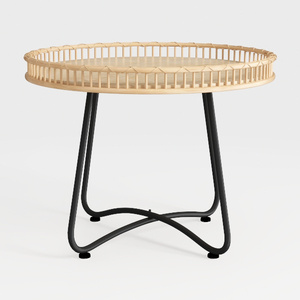
Minimalist Rattan Metal Round Side Table 3D Model
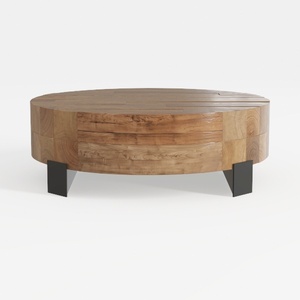

SIMPLIHOME Rayburn Drum Coffee Table - 38 inch

UEV Mid Century Modern Sideboard Buffet Cabinet
Looking to transform your living space? Homestyler offers an intuitive online design tool perfect for all skill levels. Explore stunning 3D renderings, browse inspiring design projects, and access DIY video tutorials to effortlessly bring your vision to life. Start your design journey today!
立即免费设计
































