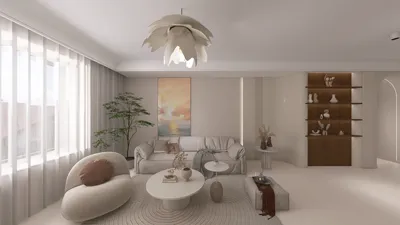


Having constructed numerous gaming and collaborative tables, I've discovered that the finest DnD tables have a fundamental characteristic: they prioritize player comfort and gameplay flow over mere aesthetics. According to research by Herman Miller, desk heights between 28–30 inches are beneficial for adult posture and reach, while the IES recommends task lighting within the 300–500 lux range to minimize eye strain during map reading. These considerations will inherently influence your table's dimensions, clearance for legs, and lighting design.
The experience of a gaming session hinges on ergonomics, contributing significantly to how enjoyable it feels. An ideal chair seat height should be between 17–19 inches, and table edges should have radii of 3–5 mm to alleviate pressure points. Furthermore, the WELL v2 standard emphasizes glare control and flicker-free lighting as essential health factors to maintain focus during lengthy campaigns. I ensure a consistent knee clearance of 24–26 inches and aim for an 8–10 inch space between the table edge and a player’s torso to facilitate comfortable writing. For a reference point, the guidance provided by WELL v2 regarding visual comfort and lighting quality serves as an excellent benchmark for evaluating your lighting setup: WELL v2.
Establishing Essential Dimensions
For a table accommodating four to six players, a size of 72–84 inches in length and 36–42 inches in width works exceptionally well. This configuration offers each player approximately 24–28 inches of edge space for their character sheets, dice, and beverages, while maintaining a central area for miniatures or a DM screen. If your sessions are primarily theater-style with the occasional map, ensure there’s a clear center space of 24–30 inches; however, if you frequently utilize tactical grids, design the center to fit a standard 24×36 inch map board along with 2–3 inch borders for card trays.
Layout Strategy and Seating Arrangement
Before cutting any materials, simulate the layout with a straightforward planner to visualize seating arrangements, reach areas, and sightlines. Utilizing a room layout tool can assist in simulating chair clearances and DM sightlines, particularly when including screens or dice towers. It's crucial to leave 30–36 inches of circulation space behind chairs so players can easily stand, stretch, and exit without disturbing the miniatures.
Material Choices: Warm, Durable, and Repair-Friendly
Opt for hardwood tops, such as ash, maple, or white oak, which offer a pleasing grain that looks great under neutral lighting while also being resistant to dents. Should your budget necessitate plywood, select Baltic birch with a hardwood veneer and reinforce edges with solid wood banding. Applying a satin waterborne polyurethane finish will prevent rings without creating the glaring sheen that leads to eye fatigue. For eco-friendliness, choose FSC-certified materials and low-VOC finishes; also, ensure rounded edges and chamfers are included to protect wrists and sleeves.
Optimal Lighting for Comfort and Visibility
Effective lighting for DnD gaming relies on even, shadow-free illumination and accurate color rendering. Aim for lighting at a surface level of 350–450 lux for comfortable reading, with ambient warmth set between 2700–3000K and task lighting accents around 4000K for painting miniatures or studying fine print. Keeping a Color Rendering Index (CRI) of 90+ ensures consistency in color across terrain and miniatures. Avoid downlight hotspots by utilizing two offset ceiling fixtures or a linear pendant with glare shields. According to IES task illumination recommendations, sustained reading is best at 300–500 lux; combining this with dimming options allows for mood settings between storytelling and rule reference.
Managing Acoustics: Experience the Story, Not Just the Room
Sounds of dice rolling, spontaneous laughter, and an engaging narrative can easily overpower a bare room. To address this, incorporate soft rugs beneath the table, use fabric wall panels, or feature bookcases with irregular spines to scatter sound reflections. Prevent the table surface from acting like a drum by integrating felt inlays, leather writing pads, or a rubber mat beneath the central well to absorb impact noise. If utilizing dice trays, line them with 2–3 mm neoprene or wool felt to lessen high-frequency clicks.
Designing the Table Edge: Trays, Inlays, and Central Wells
A quintessential DnD table typically features a central well for maps, accompanied by surrounding rails and pull-out trays. I design trays to be 10–12 inches wide and 14–16 inches deep, with low walls of 20–25 mm to keep dice secure. Magnetic inserts allow for quick swaps between card dividers, dice cups, and pencil lanes. Alternatively, for a flat surface, utilize removable modular rails that sit flush, ensuring comfort for elbows and organized sheets. The DM station should include cable grommets, hidden power strips, and a lip for securing a screen.
Integrating Screens: Preventing Glare
Planning to include a screen? Keep the panel positioned 1–1.5 inches below the tabletop, protected by tempered glass to reduce parallax. Angle the display 5–7 degrees towards the DM to minimize glare while preserving grid accuracy. Route cables through a leg channel and exit via a rear grommet to sidestep ankle hazards. For projection setups, adjust a short-throw projector aimed at a matte white center insert, ensuring brightness remains around 350 lux at the map without washing out adjacent character sheets.
Table Joinery and Structure Stability
Opt for a trestle base or an apron-and-leg design, reinforced with corner blocks for enhanced rigidity. To ensure a removable center well, a rabbeted frame with interchangeable panels simplifies maintenance. I recommend a top thickness of around 1–1.25 inches for stability; heavier hardwoods may require stretcher bars to prevent racking. Utilizing knock-down hardware is advantageous for portability—choose cross dowels and bolts over simpler screws.
Finish and Comfort for Hands-On Use
Since players rest their hands on the table for prolonged periods, finishes should feel smooth yet not sticky. Sand surfaces to 180–220 grit, water-pop the grain, and apply two to three coats of satin polyurethane or hardwax oil. When conducting finishing tests, sit at the table and roll dice to check for any glare at common viewing angles, adjusting sheen as necessary.
Utilizing Color Psychology for Inviting Atmosphere
Opting for warm woods and muted shades of greens or deep blues fosters focus while evoking a sense of adventure without overstimulation. Cooler accents can enhance alertness during tactical scenarios, while warmer ambient lighting soothes during roleplaying sessions. Research into color psychology indicates that blues help maintain concentration, whereas reds may heighten arousal; thus, it’s wise to use red sparingly on trays or dice towers to evoke action without overwhelming the space.
Step-by-Step Construction Outline
1) Define dimensions based on number of players (72–84 × 36–42 in). 2) Choose material and prepare the tabletop and apron. 3) Construct the frame for the center well with a replaceable insert. 4) Assemble legs with corner supports and a stretcher. 5) Perform a dry fit and confirm knee clearance. 6) Integrate cable management and grommets on the DM side. 7) Create trays lined with felt. 8) Sand, finish, and reassemble. 9) Install lighting over the table and check lux levels. 10) Conduct a mock campaign to adjust glare, reach, and storage needs.
Expert Tips from Experienced Gamers
Before finalizing the well size, test player reach with real items. Maintain coasters and a spill lip close to electronics. Use a removable rail to mark initiative lanes for efficient turn tracking. Consider adding under-table hooks for headphones and bags. Most importantly, ensure the DM side is slightly deeper to accommodate a laptop and notes without encroaching on map space.
Common Questions
Optimal heights for surfaces are between 28–30 inches, paired with chair seat heights of 17–19 inches. This setup keeps elbows near a 90-degree angle while decreasing shoulder strain, a trend supported by workplace ergonomics data provided by Herman Miller.
Aim for lighting levels of 350–450 lux on the surface for reading and examining maps. Following IES guidelines for task lighting and integrating dimming features aids in alternating between a narrative atmosphere and clarity for rules.
Central wells are key for organizing maps and miniatures but also present cleaning and spill challenges. A smooth surface paired with modular rails offers versatility. Incorporating a screen may necessitate a shallow well to protect it and minimize glare.
For durability and affordability, maple and ash excel; a higher resistance to dents can be found in white oak. When considering budget constraints, Baltic birch plywood with hardwood edging is a strong alternative.
To mitigate high-frequency clicks, line trays with felt or neoprene, place a soft rug under the table, and use leather or cork pads in rolling areas. Minor changes in materials can significantly enhance tactile enjoyment while managing noise.
Recess the screen panel by 1–1.5 inches, employ tempered glass, and tilt it slightly toward the DM. Plan for cable management through leg channels with grommets. Ensure ambient lighting is dimmable to avoid washing out the screen's content.
Position players along the longer edges of the table, with one player at each shorter end. Maintain a space of 24–28 inches per player at the edges and 30–36 inches behind chairs to facilitate movement. Use simple layout planning tools to assess sightlines and reachability.
Utilize diffused pendants or linear light fixtures, keeping the finish at satin or matte, and position lights slightly away from player sightlines. Recommendations from WELL v2 on visual comfort align with including glare control and a high CRI.
High-gloss finishes tend to increase glare and show fingerprints prominently. Satin or matte treatments offer better visual comfort, beautifully showcase the wood grain, and avoid distractions throughout extended gaming sessions.
Drill rear grommets and administer cable management through a leg channel leading to a mounted power strip. Keep cables clear of knee space and foot traffic, using Velcro ties for quick adjustments.
Looking to transform your space? Homestyler is your go-to online home design platform. With its user-friendly design tool, stunning 3D renderings, diverse design projects, and helpful DIY video tutorials, you can easily create your dream home, regardless of your experience level!
Design Now for FREE
































