

Over the last ten years, I have transformed numerous community halls, and the objectives for Sarada Nagar are well-defined: accommodate more visitors, host a variety of activities, and create an inviting atmosphere—all without increasing the overall space. Achieving this requires a thoughtful integration of adaptable design, effective lighting and acoustics, ergonomic furniture, and a logical storage system. This approach ensures quick turnover while enhancing comfort levels—essential for a versatile venue like this.
Research underlines the importance of these foundational elements. The WELL v2 guidance suggests aiming for 300–500 lux in multipurpose spaces to achieve a comfortable visual environment. Additionally, the IES sets a target of around 30 footcandles (equivalent to roughly 300 lux) for general assembly areas, which is crucial for reading, moderate movement, and safe exit. Recent studies by Steelcase have shown a clear connection between controlling environmental factors and posture variability with increased engagement; spaces that allow for diverse postures and easy adjustments consistently yield higher participation rates and longer visits. These metrics will be paramount in planning for Sarada Nagar.
Examining social behaviors reveals how color and layout can influence mood and the flow of a space. According to Verywell Mind’s exploration of color psychology, warmer colors can stimulate social interaction, whereas cooler shades promote focus—beneficial for transitions between celebrations and seminars. Gensler’s workplace research further demonstrates that intuitive navigation and flexible zones can enhance user satisfaction, particularly in venues that frequently change function.
Effective Flexible Zoning
I propose organizing the hall into three distinct zones: a core area for events, a service backbone, and a flexible perimeter. The core is designed for performances, meetings, and banquets; the service spine includes storage, catering access, and AV equipment; while the perimeter is adaptable for classrooms, additional seating, or exhibition displays. By utilizing sliding acoustic partitions with an STC rating of 45+, we can create simultaneous functions without sound interference. For effective spatial planning and quickly assessing different scenarios, employing a room layout tool can efficiently model seating arrangements, aisle widths, and safety measures.
Seating Arrangements for Maximized Comfort and Capacity
In banquet mode, the recommendation is 10–12 square feet per person; classroom setups require around 12–15 square feet per person; theater configurations can reduce this to 6–8 square feet per individual while ensuring proper aisle widths (typically 36–44 inches). I advocate for lightweight, stackable chairs weighing less than 11 pounds, along with folding tables measuring 60–72 inches, to facilitate versatile layouts. The ergonomic design of seating—with gentle waterfall edges and breathable backs—enhances comfort during extended events, in line with principles that alleviate pressure points and encourage movement.
Layered Lighting for Versatile Use
Incorporating three layers of lighting is essential: ambient lighting should maintain a level of 300–400 lux, task lighting can reach up to 500 lux at presentation areas, and accent lighting can highlight stages or exhibits. For social gatherings, a color temperature of 3000–3500K enhances warmth, while training sessions benefit from a cooler 3500–4000K to maintain alertness. Utilizing dim-to-warm fixtures facilitates mood transitions without the need for replacing lamps. Minimize glare by opting for diffusers with a UGR of less than or equal to 19 over key seating areas, and add perimeter wall washing to create a sense of spaciousness. Make sure to refer to WELL v2 and IES standards for compliance and optimal practices.
Enhancing Acoustic Comfort
Many community halls struggle with sound reverberation. I aim for an RT60 time between 0.8 and 1.2 seconds for clearer speech. Achieving this requires covering 20–30% of the space with acoustic materials, including micro-perforated ceiling panels, fabric-wrapped wall baffles, and heavy stage curtains. Incorporating soft furnishings like rugs and upholstered seating aids sound diffusion and absorption without compromising the aesthetic. Zonal audio systems with steerable arrays ensure balanced sound distribution, while partition seals maintain clarity during concurrent events.
Optimizing Storage and Turnover Efficiency
To facilitate quick transitions, allocate 12–18% of the total space to storage that is strategically located near the core area, rather than in a far-off section. Roll-in racks that fit standard door sizes (900–1000 mm) and labeled bins for audio-visual equipment, linens, and tableware can reduce changeover times by 30–40 minutes for events serving 150–200 guests. Integrating charging stations for microphones and tablets, as well as cable management systems, can enhance safety and efficiency during setup.
Streamlined Circulation and Wayfinding
Ensure main aisles are straightforward, with a width of at least 1.1–1.2 meters, using visual indicators like contrasting floor designs, overhead banners, or LED lighting to guide visitors. The entry areas should accommodate 10–15% of peak capacity to prevent crowding. Use color cues where warm accents lead to social areas and cooler tones signify quieter zones. Clear signage featuring icons and bilingual text reduces confusion for attendees who might be unfamiliar with the venue layout.
Selecting Durable and Sustainable Materials
Choosing high-quality LVT or rubber flooring promotes longevity and ease of maintenance, with a wear layer of at least 0.7 mm to withstand heavy use. For walls, utilize high-scrub acrylic paints (minimum 10,000 double rubs) and impact-resistant materials to keep the finishes looking fresh. Tables should feature high-pressure laminate that resists stains and heat, opting for FSC-certified woods and low-VOC adhesives to enhance indoor air quality. Opt for solution-dyed polyester upholstery for areas exposed to sunlight to maintain color vibrancy over time.
Stage Design and AV Integration
Configure a modular stage with 600 mm risers and adjustable steps, and integrate floor boxes that provide power, data, and XLR connections. A ceiling-mounted projector on a motorized lift ensures unobstructed views when not in use. Consider installing a 16:9 screen that measures between 1/6 and 1/8 of the distance to the audience. LED panels mounted at the rear can create dynamic backgrounds for cultural performances, and a simple digital mixing console with preset scenes aids quick transitions between community events.
HVAC, Natural Light, and Thermal Comfort
Utilize displacement ventilation diffusers along the perimeter to maintain low CO₂ levels during events at full capacity. Target a temperature range of 20–24°C with humidity control set between 40–60% for optimal comfort; low-velocity air supply minimizes drafts. Although daylight is a benefit, it is essential to manage it effectively: dual-layer window treatments—sheer with blackout options—allow for adjustments between daylight activities and evening programs. Air curtains in entry areas will help control heat exchange and reduce dust accumulation.
Operational Guidelines: Typical Event Configurations
For round tables (60 inches) set for 8–10 guests, maintain a spacing of 1.8–2.0 m between tables and provide service routes every third row. Ambient lighting should hover around 3000-3200K with a brightness of 300–350 lux, employing accent uplighting on columns to enhance warmth.
Arrange staggered rows with a seat pitch of 900 mm and include two aisles for emergency exits; stage lighting should reach 1000–1500 lux, ensuring the audience has ambient light levels of 150–200 lux for comfort.
Set rectangular tables with 2–4 seats, utilizing task lighting at 4000K and brightness between 450–500 lux; incorporate writable surfaces or movable boards, and strategically position acoustic partitions to create two breakout areas.
Emphasizing Community Identity and Inclusivity
Allow the hall to reflect Sarada Nagar’s unique character: showcase local art along the perimeter, reserve space for a gallery wall, and ensure signage is multilingual. Ensure wheelchair accessibility with turning radii of 1500 mm, install hearing loops in the main seating sections, and implement high-contrast edges on steps for improved safety.
Planning and Visualization Tools
When collaboration with stakeholders is necessary, utilizing an interior layout planner can effectively demonstrate various options, such as seating density, sightlines, and traffic flow. I regularly employ a layout simulation tool to revise seating arrangements in collaboration with volunteers and staff, ensuring that pathways for catering and accessibility are unobstructed, all with the help of tools like Homestyler.
Frequently Asked Questions
With an allocation of 6–8 square feet per person and adequate spacing, a 300 square meter hall can comfortably accommodate approximately 400–500 individuals. It is important to verify local regulations and sightline considerations prior to finalizing plans.
General ambient illumination should be around 300–400 lux, task lighting may reach 500 lux, and accent lighting should be adjusted as necessary. These ranges align with the IES assembly guidance and WELL v2 comfort standards.
Incorporate acoustic ceiling panels, fabric baffles on the walls, and heavy curtains on the stage area to achieve an RT60 target close to 1 second, particularly for events focused on spoken communication.
Select chairs weighing less than 11 pounds that are stackable and compatible with dollies, and choose folding tables with durable latches, ideally between 60–72 inches in length. Clearly label storage and position it directly adjacent to the main hall for convenience.
Incorporate warm neutral tones (such as peach and terracotta) to energize social interactions, balanced by cooler base colors (like soft gray-blue) to create a calming environment for workshops—these choices align with findings from color psychology.
Implement dual-layer window treatments: a sheer layer for glare control combined with blackout options for presentations. This should be paired with dimmable electric lighting to avoid drastic contrasts.
Maintain clear primary aisles of 1.1–1.2 meters, integrate cross aisles for lengthy layouts, and ensure exit routes are straightforward and well-marked. Avoid dead-ends behind stages or storage areas to ensure smooth traffic flow.
Absolutely, by utilizing STC 45+ sliding partitions, zoned audio management, and distinct service pathways, it is possible to create a versatile environment. Strategically planning storage and AV access along a central spine minimizes cross-traffic and enhances overall efficiency.
Provide turning circles of 1500 mm, accessible ramps where necessary, hearing loops, and high-contrast edges on steps. Ensure aisle widths remain consistent and free of obstructions.
Consult the WELL v2 framework for wellness criteria and refer to IES standards for lighting targets. Steelcase and Gensler’s research offers valuable insights on flexibility and enhancing user experience.
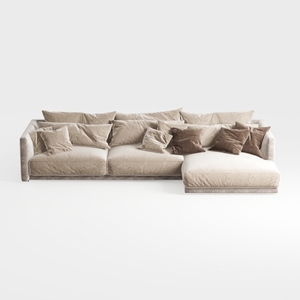
Minimalist Velvet L Shaped Sectional Sofa with Throw Pillows 3D Model
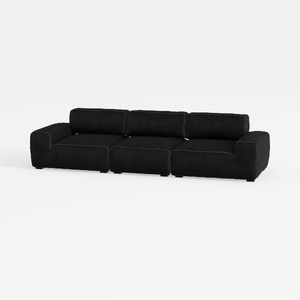

Minimalist Black Fabric Modular Sofa 3D Model
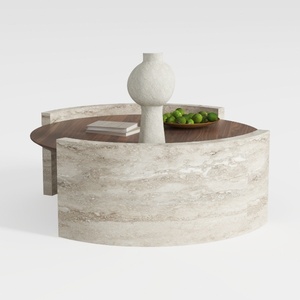
Round Coffee Table,29.52IN Wooden Coffee Table,Mid
Homestyler is an outstanding online home design platform for anyone looking to create their dream space. Featuring a user-friendly design tool, stunning 3D renderings, a wealth of design projects, and helpful video tutorials, it empowers you to visualize and execute your interior design ideas effortlessly.
Desain sekarang Gratis
































