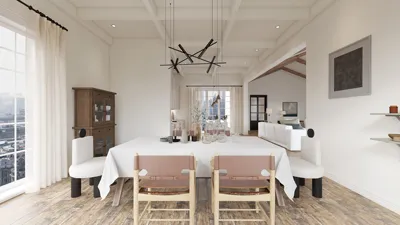


With over a decade of experience in designing, renovating, and programming multifunctional community spaces, I’ve realized that the most effective designs achieve a balance between flexibility and clear architectural vision. The Saheed Mohan Chand Sharma Community Hall aims to create a versatile setting that effortlessly accommodates cultural events, weddings, exhibitions, community meetings, and training sessions—all without compromising the essence of any activity. The fundamental design elements include capacity considerations, circulation logic, lighting, acoustics, and materials, all of which form the core of this structure’s layout.
Effective design choices stem from accurate data. According to WELL v2, ambient light levels should range between 300–500 lux for multipurpose interiors to foster alertness, with task-specific areas ideally reaching 500 lux. Similarly, the Illuminating Engineering Society supports this by advocating for assembly spaces that target approximately 200–500 lux of ambient illumination, complemented by layered lighting for optimal adaptability. Steelcase research highlights the importance of ergonomic design, indicating that variations in posture and environmental control can significantly enhance comfort and engagement—crucial when a space must switch between banquet and auditorium configurations.
Designing the community hall in accordance with observed community behaviors is essential. Research from Herman Miller illustrates that adaptable environments can boost overall utilization due to their capacity for swift transitions between various event formats; combining this flexibility with user-friendly storage solutions and mobile infrastructure can notably decrease turnover times. Regarding color selection, insights from Verywell Mind suggest that warmer tones encourage sociability and a welcoming atmosphere, while cooler shades promote calmness and focus—beneficial traits when segments of the hall serve educational or civic purposes. These insights provide critical parameters for early decisions on lighting, color schemes, and furniture choices.
Core Spatial Strategy
The design should facilitate a large unified space divided into distinct zones: a primary gathering area, a service spine for catering and storage, and a versatile foyer that also serves as a climate buffer and check-in area. Primary aisles for auditorium setups should measure between 1.0–1.2 meters, while service corridors behind the stage should be 1.5–1.8 meters to ensure safe circulation. Sightlines to the stage need to be unobstructed, with a minimum depth of 5–7 meters reserved for the stage and access to backstage areas. To optimize seat counts, utilizing an interior layout planner like Homestyler can help visualize fire egress paths, catering routes, and sightline restrictions effectively.
Capacity & Seating Configurations
Establish three fundamental configurations: auditorium (for presentations and performances), banquet (for weddings and communal meals), and exhibition (for markets and health fairs). In an auditorium layout, allocate one chair per 0.5–0.6 square meters, accounting for aisles and stage clearance. For banquet arrangements, a circulation loop measuring between 1.5–1.8 meters around table clusters is essential to prevent service bottlenecks. In exhibition mode, aim for stall-to-stall spacing of 2.0–2.5 meters, with primary aisles at 1.5–1.8 meters. Designate a quiet zone for seniors or nursing mothers, ideally located next to the foyer but acoustically separated.
Light Environment: Illumination, Color Temperature, Glare
Incorporating layered lighting is vital. Establish ambient lighting within the 300–500 lux range, and task lighting should be set between 500–750 lux for areas like registration desks or reading sections. Use warm-white lighting (3000–3500 K) for social and banquet events, while neutral-white lighting (3500–4000 K) is optimal for training and meetings to minimize fatigue. Avoid direct overhead lighting on the stage that causes glare; instead, employ asymmetric wall washers with controlled beam angles to enhance facial visibility. Implementing dimmable circuits in logical groupings for different zones, such as front-of-house and stage areas, is crucial. If natural light is available, it's beneficial to combine it with automated shades to mitigate glare and ensure consistent illumination on speakers' faces.
Acoustic Comfort: Reverberation, Zoning, Materials
Due to the prevalence of hard surfaces, community halls often face issues with excessive reverberation. It is advisable to target a mid-frequency RT60 of around 0.8–1.2 seconds in the main hall to facilitate speech intelligibility while enhancing the warmth of music. A balanced approach includes acoustic ceiling tiles, soft wall panels at ear height, and upholstered seating. The addition of operable partitions with significant STC ratings is critical for sound division within the hall. Furthermore, it's essential to maintain mechanical noise levels below NC-35 by implementing lined ducts and flexible connectors. In banquet mode, controlling acoustics helps minimize noise and fatigue, while in speech mode, it ensures clarity for attendees seated at the back.
Stage, AV, and Technology
The stage should be designed for modularity, featuring riser platforms that accommodate varying heights, alongside side wings for quick access to performers, and a discreet backstage service corridor. Ensure a minimum of a 32 A electrical service for stage equipment, and distribute 16 A circuits for catering and exhibit stalls. Strategically plan for a digital infrastructure that includes ceiling raceways for projectors or LED screens, shielded cable routes for AV components, and a user-friendly control interface. Two wireless microphone channels are insufficient—design for at least six, with a comprehensive frequency coordination plan. Where feasible, provide a hearing assistance loop, ensuring it is clearly marked.
Furniture & Ergonomics
Select stackable chairs with a seat height of 450–460 mm and a width between 420–460 mm to promote comfort during extended sessions. For table choices, consider 1500–1800 mm round tables for seating 8–10 people, or rectangular tables with a depth of 750 mm for workshops. Utilize mobile staging, foldable buffet stations, and high-capacity trolleys to facilitate quicker turnover. Incorporate standing-height counters in exhibition mode to support postural variety—research from Steelcase indicates that such flexibility enhances engagement during longer events.
Materials & Sustainability
Using durable and easily cleaned finishes is key to keeping operational costs manageable. Implement low-VOC paint options, slip-resistant flooring with acoustic backing, and thermally insulated glazing where applicable. Timber paneling adds an element of warmth, especially when combined with mineral fiber acoustic tiles for optimal performance. Considering local materials such as stone or terrazzo in the foyer enhances resilience. It is also crucial to source materials with transparent environmental certifications; resources like Material ConneXion can provide verified insights into sustainability and performance.
Color Psychology & Wayfinding
Utilizing warm neutral colors like muted terracotta and soft sand can create an inviting atmosphere for social gatherings. In contrast, cooler accents—such as sage and slate—help to maintain calm during training or civic discussions. Implement color-blocked wayfinding strategies with bold contrasting accents at entries, service doors, and sanitation areas to enhance visibility for attendees of all ages. According to insights from Verywell Mind, understanding the psychological implications of color can significantly inform palette choices for various functions.
Mechanical, Electrical, Plumbing (MEP) Planning
Prepare for peak event demands by ensuring catering areas are equipped with necessary water access, grease management systems, and robust 32 A electrical feeds. HVAC zoning should cater to increased ventilation during banquet settings while ensuring quieter, more focused environments for speeches. It’s crucial to position thermostats for staff access, not guests, and to provide ample power and data outlets throughout for exhibitions. Regular testing of emergency lighting and exit signage is essential to maintain safety standards.
Circulation & Back-of-House
It’s essential to segregate guest and service routes for efficiency. The service spine needs to connect the loading bay, storage, preparation areas, and stage wings without intersecting the main event floor. Incorporate at least one private green room with a restroom for performers or wedding parties. Storage often goes unnoticed yet remains critical—allocate around 10–15% of the floor area for the storage of chairs, tables, AV equipment, and seasonal decorations, employing adjustable shelving and secure containers.
Outdoor Interface & Community Identity
Design an outdoor space with shaded seating areas that promote informal gatherings and overflow accommodation. Infusing local patterns, memorial features, or pertinent artwork that honors Saheed Mohan Chand Sharma will anchor the hall in community heritage. Ensure that loading areas are weather-protected and provide clear signage for deliveries. Lighting at night should create a welcoming atmosphere while minimizing discomfort to nearby residents.
Planning Tips: From Concept to Operation
- Consider mapping the annual event calendar alongside size requirements; this can inform the design of storage solutions and necessary furniture quantities.
- Develop prototypes for three layout configurations and test their functionality using an interior layout planner, such as Homestyler.
- Invest in a layered lighting system with dimmable, addressable circuits and glare control measures.
- Establish acoustic targets from the outset; ensure that ceiling and wall treatments are integral to the design rather than considered later.
- Create a straightforward AV guide that can be displayed in the control room to minimize technological issues.
- Compile an operational manual detailing seating turnover protocols, cleaning standards, and vendor regulations for consistent performance across various events.
Further Reading
For additional guidelines regarding lighting and comfort, refer to WELL’s Light concept and IES standards for assembly spaces.
FAQ
Allocate 0.5–0.6 square meters per chair, including space for aisles and stage clearance. In a 600 square meter hall, this could accommodate approximately 1,000–1,200 seats when well-planned, though it’s vital to check local regulations and egress standards.
Aim for ambient levels of 300–500 lux, with task zones reaching 500–750 lux. This complies with WELL v2 Light concept guidelines and standard IES practices for assembly areas.
Employing light temperatures of 3000–3500 K for social events can enhance warmth, while 3500–4000 K is recommended for meetings or training to promote alertness without creating harshness.
Strive for an RT60 target around 0.8–1.2 seconds through acoustic ceiling treatments, ear-level wall panels, and soft finishes. Additionally, maintain HVAC noise near NC-35 to ensure clarity.
Consider stackable chairs with a height between 450–460 mm and comfortable widths (420–460 mm), complemented by flexible table formats that adapt to both banquet and workshop needs.
Incorporate a 32 A power supply for the stage along with distributed 16 A circuits along the periphery, enhanced by ceiling raceways for projectors and LED screens and at least six wireless mic channels with organized cable management to prevent hazards.
Reserve 10–15% of the floor area for storage of furniture, AV equipment, and decorations; positioning this storage close to the main floor area to streamline turnover times.
Utilize layout simulation tools like Homestyler to test seating arrangements, egress paths, and catering routes before finalizing designs, refining the widths of aisles and stage access based on findings.
Incorporate low-VOC paints, resilient acoustic flooring, and mineral fiber ceilings with timber accents for aesthetic appeal. In high-traffic areas like the foyer, consider durable materials such as terrazzo or local stone.
Warm neutral tones facilitate a sociable atmosphere, while cooler colors aid concentration and calmness. Use insights from color psychology to tailor palettes for various uses.

Modern Minimalist Fabric U Shaped Sectional Sofa 3D Model
Minimalist Solid Wood Arched Display Cabinet 3D Model

Minimalist Solid Wood Linen Fabric Three Seat Sofa 3D Model
Looking to transform your space effortlessly? Homestyler is your go-to online design platform! With its user-friendly design tool, stunning 3D rendering, and a treasure trove of DIY video tutorials, you can create your dream home with confidence and inspiration—perfect for any design enthusiast!
Progetta ora GRATIS
































