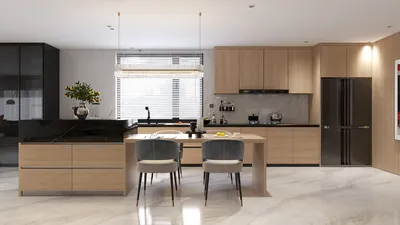


A wooden jhula infuses a living space with warmth, fluidity, and an inviting charm that encourages hospitality. I see it as both a seating option and a spatial centerpiece—an element that encourages stillness, playful interaction, and conversations without overpowering the room's ambiance. An ideal jhula combines structural stability, comfortable design, and a unique material finish, positioning it as a serene counterpart in a lively home.
Comfort is not merely an emotion; it is quantifiable. The WELL Building Standard emphasizes that ergonomic seating and correct postures can alleviate musculoskeletal pain, aligning its ergonomic guidance with home seating designs (WELL v2). Research from Steelcase connects variations in posture with decreased discomfort and improved concentration, indicating that subtle movements and seat depth are vital for everyday usage—key insights applicable to jhula seat constructions and their hanging heights. I often recommend setting the jhula's seat height between 16–18 inches, in line with average popliteal heights, incorporating a gentle recline of 5–10° or a subtly curved back for lumbar support.
The way light and sound are managed significantly influences the atmosphere created by a swing within the room. IES suggests utilizing a blend of ambient and task lighting; for seating, aim for an ambient light level of around 150–300 lux, ensuring that glare is kept off polished wood surfaces, while maintaining a soothing atmosphere. Opting for color temperatures in the 2700–3000K range enhances the appearance of natural wood while mitigating harshness in the evening. To soften the gentle sounds created by chains or hooks, the addition of a wool rug and plush furnishings can absorb high-frequency noise, rendering the jhula's movement more soothing than disruptive.
Design Directions for a Wooden Jhula
• Classic carved teak: This option features rich, oil-finished teak, detailed with hand-carved side arms and a sturdy backrest. Complement it with khadi or linen cushions, and utilize brass chain links with a matte finish that accentuates the wood's grain without shine.
• Contemporary minimal: Choose a sleek ash or white oak seat with softly rounded edges, hidden ceiling mounts, and braided rope rather than metal chains. Neutral upholstery and powder-coated hardware create a sleek and modern profile.
• Heritage swing with a nod to canopies: Implement a subtly carved wood top beam that visually hints at a canopy without adding extra weight. This design frames the jhula as an eye-catching component while preserving clear sightlines.
• Compact swing for apartments: Include a two-seater (ranging from 48–54 inches in width) with a more slender seat and shallow arm supports. The lighter structure allows airflow and natural light to permeate small living areas.
Space Planning and Proportions
The jhula should appear to float rather than dominate the space around it. I recommend maintaining a clearance of at least 30–36 inches in front and behind the swing to accommodate its movement safely. In tighter living areas, consider a controlled swing arc of 12–16 inches (by using shorter ropes or limiting mechanisms) to avoid collisions with coffee tables or consoles. Center the swing along a key axis—often related to the main window or wall with a TV—so that its placement is perceived as purposeful rather than random. For those interested in visualizing layouts or testing room arrangements, utilizing a layout tool can help simulate clearances and flow before installation: room layout tool.
Material Choices and Finishes
Choosing durable hardwoods such as teak, white oak, and Indian rosewood (sheesham) ensures stability and resistance to warping due to fluctuating humidity. I opt for closed-grain timber for its increased comfort and splinter resistance. Finish with low-VOC oils or water-based polyurethanes to maintain tactile warmth. The hardware used should exceed expected loads; stainless steel or brass is preferable for its corrosion resistance. If opting for rope in conjunction with wood, select marine-grade rope (a blend of polypropylene or polyester) for longevity against stretching and fraying.
Ergonomics and Dimensions That Feel Right
Recommended seat width ranges from 48–72 inches, catering to household size. Depth should sit between 18–22 inches for relaxed seating. For back height, aim for 14–18 inches to ensure lumbar support without making the swing feel unbalanced. Arm height is optimized at 8–10 inches above the seat for ease of getting on and off. The jhula's hanging length typically falls between 70–80 inches from the ceiling in rooms with heights of 9–10 feet, designed so that the seat rests 16–18 inches above the finished floor. These dimensions ensure comfort and resonate with data-backed seating norms emphasized in workplace research and comfort standards.
Mounting, Safety, and Structure
It is crucial to identify structural beams or joists and confirm their load capacity with a professional when possible. A standard two-person jhula can demand two to three times its static load when in motion; therefore, I select hardware with a minimum working load of 600–800 lbs per anchor for residential use to ensure a safe margin. Utilize through-bolts whenever feasible, large-diameter eye bolts, and isolation bushings to minimize noise. If ceiling mounting isn't an option, consider a freestanding frame made of steel or hardwood with wide feet and floor protection pads.
Color Psychology and Styling
The allure of natural wood promotes a sense of tranquility and grounding. Warmer stains are favored for inviting family environments, while lighter woods exude a fresh and contemporary feel. Insights from color psychology reveal that blues can evoke relaxation and trust, greens promote balance and renewal, and soft earth tones create a restorative atmosphere (Verywell Mind). I harmonize cushion colors with the wood's undertone—cool blues with honey oak, warm terracotta with ash—to maintain a deliberate color scheme. Textiles featuring subtle patterns can diminish visual noise and allow the jhula's form to stand out.
Lighting the Swing for Evening Atmosphere
To enhance evening ambiance, utilize indirect lighting: a wall washer positioned behind the jhula or a floor lamp featuring a diffused shade to prevent glare during reading. Dim-to-warm LEDs create an intimate evening atmosphere, while a small downlight placed offset from the swing’s centerline helps eliminate harsh shadows on users. In spaces that are abundant with daylight, sheer curtains can help mitigate contrast, preventing the swing from appearing as a dark formation against bright windows.
Acoustic Comfort and Daily Use
Interfacing wood with metal can lead to clicking or chirping sounds. To remedy this, consider adding a leather or silicone grommet at the connection point. Layering soft materials—such as rugs, curtains, and nearby upholstered sofas—helps absorb sound reverberation, ensuring that family conversations remain comprehensible even amidst gentle swinging motions nearby.
Maintenance and Longevity
Regularly clean the swing’s seat with a slightly damp microfiber cloth once a week; avoid harsh cleaning agents that could damage finishes. Reapplication of oil is recommended annually if using penetrating oils. Conduct hardware inspections quarterly for any signs of loosening, and replace ropes every 2–3 years in homes with frequent usage. These small maintenance habits help maintain the swing’s quiet motion and the integrity of the ceiling mounts.
Styling Ideas to Try
• Layered cushions: One firmer cushion for support, paired with a soft one for relaxation.
• Mixed metals: Incorporate brass rings with matte black hooks for an appealing contrast.
• Gallery wall backdrop: The swing can act as a dynamic counterpoint to framed artwork.
• Complementary plants: A nearby hanging fern can reflect the motion and soften hard angles.
• Seasonal fabrics: Refresh covers in the summer (using lightweight fabrics like linen or cotton) and in winter (opting for warmth with wool or velvet) to keep the area feeling vibrant.
When a Jhula Isn’t Right—Alternatives
If structural capacity or household dynamics deem a swing unfeasible, alternatives like a glider chair, a hanging chair with a freestanding frame, or a deep bench with cushions that mimic a reclined position can serve as excellent substitutes. The principle of fostering comfortable movement, tactile enjoyment, and creating an inviting focal point remains unchanged.
Authority & Research Links
When refining dimensions and experiences, I refer to comfort standards and research sources: WELL v2 (wellcertified.com) for ergonomics and comfort guidance, and insights from Steelcase Research regarding posture variability and seating trends (steelcase.com/research). These materials consistently bolster the measurable aspects that contribute to a daily jhula experience that feels seamless and effortless.
FAQ
Q1: What ceiling requirements do I need for a wooden jhula?
A: It is crucial to have solid joists or beams with verified load capacity. High-rated anchors and through-bolts are highly recommended. In older homes, a contractor's verification of beams and possibly adding blocking may be necessary.
Q2: How high should I hang the jhula?
A: Aim for a seat height of 16–18 inches above the ground. Adjust the rope or chain length so that knees bend comfortably at 90°, similar to ergonomics seen in standard seating guidelines.
Q3: What wood types are optimal for durability?
A: Teak, white oak, and sheesham are among the best for their hardness, stability, and moisture resistance. Opt for kiln-dried boards to minimize seasonal movement.
Q4: Should I choose chains or ropes?
A: Chains provide dependable strength and longevity; whereas ropes offer an aesthetically softer look and quieter swinging. If selecting rope, ensure it is marine-grade with high tensile strength and UV resistance.
Q5: How much space should I allow around the jhula?
A: Maintain 30–36 inches of clearance both in front and behind for safety. In smaller rooms, consider limiting the swing arc using shorter ropes or discreet stoppers to prevent contact with furniture.
Q6: How can I minimize noise from swing hardware?
A: Incorporate leather or silicone bushings at the rings, lightly lubricate metal joints, and use soft materials like rugs and curtains in proximity to absorb ambient sounds.
Q7: What finishes are safe and low-odor?
A: Low-VOC oils or waterborne polyurethanes help preserve the wood's tactile quality while maintaining good indoor air quality. Avoid high-solvent lacquers, particularly in compact living spaces.
Q8: How should I match cushion colors?
A: Complement wood undertones with matching hues—such as pairing cool blues with warmer woods and earthy terracotta with lighter woods. Combining a firmer cushion for support with a softer one for lounging can create a nice balance.
Q9: Can a jhula work in a rental space?
A: If mounting to the ceiling is restricted, a freestanding frame that includes floor protectors can provide the swinging experience without the need for invasive hardware.
Q10: How often should I check on the swing’s condition?
A: It's advisable to inspect bolts, rings, and rope wear every quarter. Annually re-apply oil on the wood and consider replacing ropes every 2–3 years in homes with frequent usage.
Q11: Is a jhula safe for children?
A: Yes, provided there is supervision and a controlled swing arc in place. Ensure to keep breakable items clear of the swing's path and set occupancy limits while swinging.
Q12: What kind of lighting is best for evening use?
A: Opt for 2700–3000K warm LEDs, likely in indirect floor lamp forms, alongside soft wall washes to reduce glare on the swing’s wood and to flatter skin tones during reading or relaxation.
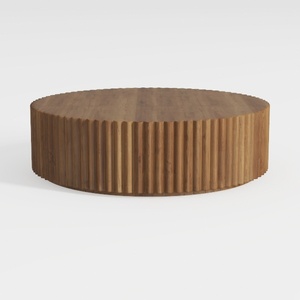
Minimalist Solid Wood Fluted Round Coffee Table 3D Model

Minimalist Solid Wood Linen Fabric Three Seat Sofa 3D Model
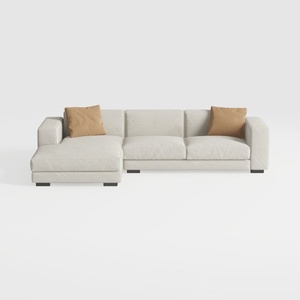
Minimalist Fabric L Shape Sectional Sofa with Throw Pillows 3D Model
Homestyler is your go-to online home design tool! With its user-friendly interface, stunning 3D renderings, and a wealth of design projects and DIY video tutorials, you can easily explore and create your dream space. Transform your home effortlessly with Homestyler!
Design Now for FREE
































