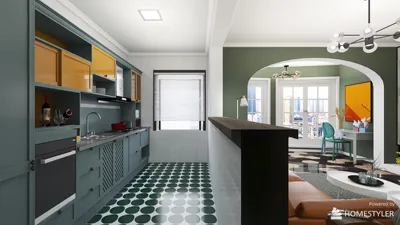


I envision an uncle’s room as a sophisticated retreat—an ideal blend of personal haven and functional living area. This space serves as a sanctuary for reading, recharging, hosting movie nights with a nephew, or enjoying a restful sleep after a busy day. The design usually merges understated elegance with ergonomic seating, sleep-friendly lighting, and rugged, simplistic materials. In this context, great design is not about flashiness; it reflects careful consideration.
Prioritizing comfort and health is paramount. Following the WELL v2 Light guidelines, it’s essential to provide layered lighting with optimal brightness and glare control, which fosters circadian well-being and visual ease; evening lighting should shift to warm colors, ideally between 2700-3000K, while task areas can remain around 3000-3500K for better clarity. Research from Herman Miller highlights that upright, dynamic seating enhances musculoskeletal comfort during reading and working sessions—thus, a chair with lumbar support and adjustable features can be highly beneficial. These standards inform my initial selections for lighting temperatures, lumen outputs, and seating ergonomics.
From an organizational perspective, a room that subtly categorizes sleep, reading, entertainment, and storage minimizes distractions. Studies by Steelcase indicate that well-defined areas within a space facilitate smoother task transitions and improve focus. I begin by delineating distinct areas: a bed for restful sleep, a reading nook complete with a chair and lamp, and a small surface for laptop use or hobbies. When reconfiguring the layout—perhaps fitting in a queen bed, a lounge chair, and a small desk in a compact space—I often utilize a room layout tool like Homestyler to visualize clearances, sightlines, and flow.
Design Vision: Tranquil, Functional, and Individual
Most clients looking for a design for their uncle’s room prefer a grounded, inviting ambiance—something warmer than stark minimalism yet cleaner than a disorganized space. I commence with a harmonious color palette: nature-inspired neutrals (like warm gray, mushroom, olive, and tobacco) accompanied by a bold accent (indigo, rust, or deep green). According to Verywell Mind’s color psychology research, blues and greens evoke feelings of tranquility and rejuvenation; I incorporate these hues into walls, textiles, or artwork to create mood without overwhelming the space.
Layout Strategy: Defined Areas Without Clutter
To maintain a soothing flow, I establish spatial proportions with the bed as a central element. A queen-sized bed typically requires around 30 inches (76 cm) of space on at least one side for comfortable movement. If feasible, I position the reading chair diagonally opposite the entrance, generating an inviting visual when one enters the room. The desk is placed along a wall to minimize glare and ensure proximity to power outlets. In tighter spaces, I recommend a wall-mounted, fold-down desk that can hover above a low storage unit. When testing multiple furniture placements rapidly, I rely on room design visualization tools like Homestyler to confirm comfort distances and sightlines.
Lighting That Functions Around the Clock
I incorporate lighting in three layers: ambient, task, and accent. Ambient lighting consists of a ceiling fixture or cove lighting with dimming capability to transition from bright daylight (~300–500 lux) to the soft glow needed for evening relaxation. The task lighting, like a reading lamp, provides focused illumination of 300–500 lux with a shield to reduce glare—aligned with IES standards for residential reading environments. Accent lighting includes warm, low-output sources for artwork or shelving, adding depth without straining the eyes at night. I prefer bulbs that can warm down to 2700K in the evening, supporting the body’s natural circadian rhythms, in accordance with WELL v2 recommendations.
Furniture: Support, Proportions, and Endurance
Proportions are key. A streamlined bed frame with a medium-height headboard maintains an airy feel in smaller rooms. A well-designed lounge chair that offers lumbar support and a gentle recline is preferable to a low, slouchy chair for reading sessions. I opt for a side table that can accommodate a mug, a book, and glasses—ideally with a diameter of 18–22 inches for round tables—along with a lamp featuring a tactile switch. For desks, I ensure a depth of around 20–24 inches to accommodate laptop use while allowing for legroom. Storage options should be discreet yet functional, such as a dresser with soft-close mechanisms, a bench with hidden storage, and a single open shelf for cherished items.
Materials that Feel Rich and Last
Choosing materials that combine durability with warmth is essential. I blend wood tones (such as walnut, ash, or smoked oak) with textured upholstery in wool blends or performance chenille. High-quality leather or its faux counterparts make for resilient, easily maintained surfaces on chairs or ottomans. For bedding, I select percale or sateen cotton with a thread count of 300–400 for optimal breathability and comfort. Rugs crafted from wool or a wool-nylon mix mitigate noise and provide underfoot insulation. I avoid glossy finishes that can cause glare and leave fingerprints.
Understanding Color Psychology for Mood Enhancement
To evoke stability, I lean into muted greens and earthy blues—colors linked to tranquility and groundedness according to color psychology studies. A single deep-colored wall (navy or olive) behind the bed can anchor the space visually while maintaining a lighter aesthetic throughout. To avoid a sense of heaviness, I pair darker shades with light bedding and warm wood tones and distribute the accent color in two or three areas (like a throw, art piece, or lamp base) to ensure a cohesive rhythm.
Ensuring Acoustic Comfort
Sound control is vital for restful sleep. I choose dense area rugs, lined curtains, and upholstered pieces to absorb sound reflections. If external noise is an issue, I suggest layered window treatments: sheer fabric for diffusing daylight and blackout curtains for restful sleep. A solid-core door and felt pads under furniture minimize noise transfer and vibrations. If the space also serves as an entertainment area, incorporating a fabric-wrapped panel or a bookshelf with varying depths can help disrupt echo.
Organizing Storage to Prevent Clutter
Visual chaos can quickly undermine the serenity of a retreat. I consolidate small items into designated trays—one for the nightstand and another for the dresser. A shallow drawer near the entrance can hold keys and wallets. In settings with limited closet space, a garment rail paired with a concealed base cabinet keeps the look tidy. Cables are discreetly routed through channels under desks, and I choose lighting fixtures with integrated USB ports to reduce the need for extra chargers.
Integrating Technology Without Overwhelming the Space
Smart dimmers equipped with preset scenes (such as Read, Relax, Nightlight) suffices in most rooms. I keep screens out of immediate sightlines from the bed; if a television is a must-have, positioning it across from the chair rather than directly opposite the bed is advisable. A small Bluetooth speaker can be tucked on a shelf, and if music is a focal point, I allocate a low console space for a turntable and records, employing vibration dampeners where needed.
Styling: Personality Without Clutter
The most impactful spaces reflect a life well-lived: perhaps a framed photo from a memorable trip, a signed poster, or a classic watch displayed on a valet tray. I typically restrict decor to one designated wall and one shelf, allowing the rest of the room to feel serene. Adding a cozy throw on the chair and a bench at the foot of the bed completes the ensemble, enhancing comfort and utility.
Two Sample Design Schemes
- Walls: warm gray accompanied by a tobacco accent wall behind the bed.
- Wood: mid-tone walnut bed frame and dresser.
- Textiles: olive wool-blend chair, cream percale bedding, rust-colored throw.
- Lighting: drum-style ceiling pendant, brass swing-arm bedside lamps, and dim-to-warm bulbs (3000K to 2700K).
- Rug: hand-tufted wool with a low pile and subtle geometric patterns.
- Walls: soft sand with a deep navy accent wall.
- Wood: light-stained ash with rattan details on drawer fronts.
- Textiles: indigo throw, striped lumbar pillow, and crisp white bedding.
- Lighting: slender black floor lamp for reading; diffuse ceiling fixture with dimmer controls.
- Rug: flatweave wool in oatmeal color.
Essential Planning Checklist
- Ensure bed wall is measured; aim for 30 inches (76 cm) of clearance on at least one side.
- Establish a reading corner with 300–500 lux illumination from a glare-shielded task lamp.
- Implement dimmable ambient lighting that warms down to 2700K for an evening ambiance.
- Select an ergonomic lounge chair equipped with lumbar support and a matching side table.
- Include effective cable management and ensure at least two accessible outlets near the bed.
- Utilize layered window treatments to manage light and privacy during day and night.
- Incorporate at least one concealed storage piece to keep bulk items out of sight.
- Limit displays to one curated area to maintain focus.
FAQs
1) What bed size is ideal for a typical uncle's room?
In medium-sized rooms, a queen bed strikes a good balance between comfort and space efficiency. In rooms under approximately 10' x 10' (3 x 3 m), a full bed might create enough space for a reading chair and better movement flow.
2) What brightness should lighting be for reading?
Aim for brightness around 300–500 lux on the page utilizing a shaded lamp to minimize glare. Maintain a color temperature between 3000–3500K for clarity, then transition to 2700K during the evenings to promote relaxation.
3) Which colors contribute to a calm, adult atmosphere?
Soft blues and greens enhance calm and restorative feelings; combining them with warm neutrals and natural wood tones avoids a clinical appearance. Use one accent color dispersed in two or three spots for balance.
4) How can I manage noise for better sleep?
Implement dense wool rugs, lined blackout curtains, and upholstered furniture to absorb sound. Upgrading to a solid-core door and adding felt pads can help minimize rattling. Bookshelves with varied depths can also assist with sound diffusion.
5) I need a work surface but dislike the typical desk appearance. Suggestions?
Consider a wall-mounted fold-down desk situated over a low cabinet, or a narrow console with a discreet drawer. Pair this with a comfortable chair that doubles as a reading seat.
6) How should I position a TV to ensure it doesn't dominate the room?
Place the TV opposite the lounge chair as opposed to facing the bed. Use a low cabinet and position the screen below eye level when seated. An art frame-style display or a fabric panel can help soften its presence.
7) Which materials provide durability while remaining comfortable?
Opt for wool-blend upholstery, performance chenille, or high-quality leather (or its faux equivalent) for longevity. For rugs, select wool or wool-nylon blends. Favor matte or satin finishes to reduce glare and fingerprints.
8) How to showcase personality without creating clutter?
Consolidate smaller items in trays, utilize at least one closed storage solution, and dedicate a single wall or shelf for displaying personal mementos. Regularly revising your displays ensures that each item serves a purpose.
9) What’s the best approach to window treatments that cater to both day and night needs?
Layer sheer curtains for day lighting with blackout shades for nighttime use to secure privacy and sound insulation while maintaining a soft daytime glow.
10) Is it beneficial to have a ceiling fan?
If climate conditions allow, a quiet, well-balanced ceiling fan enhances thermal comfort and can reduce reliance on air conditioning at night. Select one featuring a low-profile light and a true dimmer to maintain layered lighting.
11) How can I experiment with different furniture arrangements before making a purchase?
Utilize a digital interior layout planner to assess clearances, sightlines, and lighting setups. Tools like Homestyler’s layout simulation features can assist in visualizing scale and movement within the space.
12) Which minor upgrades yield significant impact?
Dim-to-warm bulbs for circadian-friendly lighting, a supportive reading chair paired with a side table, a dense rug for sound absorption, and a cohesive accent color scheme can greatly enhance the ambience of the room.
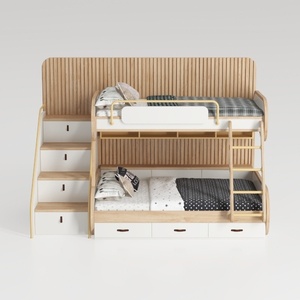

Modern Solid Wood Bunk Bed With Storage Stairs Drawers 3D Model

Minimalist Solid Wood Platform Bed 3D Model

Minimalist Corduroy Upholstered King Size Bed 3D Model
Discover the ease of home design with Homestyler! This online platform offers a user-friendly design tool, stunning 3D renderings, and a wealth of DIY video tutorials. Whether you're a novice or pro, you'll find inspiration and support to bring your interior ideas to life effortlessly!
Design Now for FREE
































