

A twin sharing room is specifically crafted for two individuals, usually featuring two separate single beds along with shared amenities within the same space. This setup is attractive in areas such as hospitality, student accommodations, and co-living environments because it balances privacy with affordability while ensuring effective space utilization. When designing these rooms, I focus on elements like spacing between beds, circulation pathways, optimal lighting, sound comfort, and storage solutions, enabling both occupants to coexist harmoniously.
The aspects of cost, comfort, and health standards converge in this context. Research from Gensler indicates that having a sense of control over one's environment significantly influences satisfaction and productivity. This concept applies to shared rooms, where establishing personalized zones and adjustable lighting is crucial. According to WELL v2 guidelines, ambient light should be between 150–300 lux for general areas, and task lighting should be set at 300–500 lux for more concentrated activities, which helps minimize eye strain, especially when occupants read or work at different times. For more in-depth guidelines on occupant well-being, delve into WELL v2 insights.
Acoustic privacy is critical. Research from Steelcase emphasizes that noise significantly disrupts concentration and well-being in shared spaces. Implementing straightforward solutions—such as using soft materials, strategically positioning beds, and creating designated zones—can diminish sound reflection. In my designs, I ensure to allocate a minimum of 750–900 mm of clear space along each side of the bed and 900 mm at the foot, which promotes safe nighttime movement and reduces disturbances.
Key Features of a Twin Sharing Room
- Two single or twin beds arranged either parallel or in an L-shape to optimize movement and space.
- A shared wardrobe or ideally two smaller wardrobe units, along with dedicated bedside surfaces for each occupant.
- Bathroom facilities may be en-suite or located down the corridor, depending on the property type.
- A neutral color palette with customizable accents allows for personal expression and identity within the space.
- Dimmable task lighting beside each bed, complemented by layered ambient lighting to cater to varying routines.
Twin, Double, and Dorm Room Configurations
Many confuse twin arrangements with double setups. A twin sharing room consists of two separate single beds, whereas a double room features a larger bed (typically queen or king-sized). Dormitory layouts often incorporate more beds in bunk formations with shared storage. In twin arrangements, I favor parallel beds with a central walkway for rooms measuring 3.0–3.6 m wide; in narrower spaces, an L-shaped arrangement can better maintain privacy by limiting sightlines.
Space Planning Considerations and Circulation Ratios
Effective clearances are essential for maximizing shared room functionality. I adhere to the following space ratios:
- Maintain 750–900 mm of clearance on each side of the bed for safety during movement.
- Aim for 900–1050 mm between the fronts of beds and storage doors to avoid collisions.
- Ensure at least 600 mm clearance in front of closet doors for ease of access and dressing.
When exploring various arrangements, using a room layout tool such as Homestyler can effectively simulate bed positioning, nightstand layouts, and circulation paths before finalizing your design.
Lighting: Creating Comfort for Two Distinct Routines
In twin layouts, it’s common for one occupant's bedtime to differ from the other's. I recommend installing individual reading lights set at 300–500 lux with warm-to-neutral color temperatures (2700–3500K) to foster relaxation and avoid glare. Ambient lighting should hover around 150–300 lux to create a calming environment. Incorporating task lights with local switches or app controls provides each occupant with autonomy, thereby reducing potential conflicts.
Color Psychology and Personal Touches
Color plays a vital role in setting the atmosphere and establishing boundaries. Utilizing soft neutral tones and muted cool shades can minimize visual distractions; personal touches—such as throws, artwork, or lamp shades—help maintain individual identities without overwhelming the space. Color psychology suggests that hues like blue and green promote calmness and focus, while overly bright reds may elevate energy and disrupt rest. Providing each occupant with a personal color corner encourages ownership while maintaining harmony.
Acoustic Comfort Through Material Selection
In shared accommodations, effective acoustic treatment is beneficial. Implementing medium-pile carpets, fabric-covered headboards, lined draperies, and wall decorations featuring soft materials can help. Positioning beds away from shared walls (like bathrooms or common corridors) can further enhance acoustic comfort. Using soft-close hardware and door seals can minimize noise disturbances. These strategies effectively reduce high-frequency sound reflections and nighttime disruptions.
Storage Solutions: Equitable and Efficient Flow
Equitability is crucial in shared spaces. I suggest vertically dividing storage: creating two equal wardrobe sections, mirrored shelves, and identical bedside units. Under-bed storage options are practical, but it’s best to avoid mixed ownership to circumvent disputes. Hooks near each bed and a communal cubby by the entrance can help manage quick drop-offs (like bags and keys) without cluttering the sleeping area.
Achieving Privacy Without Physical Dividers
True psychological separation doesn’t always require solid partitions. Arranging beds offset, utilizing a tall plant, or adding a low shelf can visually break sightlines. Implementing asymmetric lighting—direct task lights on one side and softer ambient light on the other—can subtly indicate personal territories. If one occupant works late, a localized directed task lamp with a narrow beam can illuminate their area while keeping the opposite side dim and restful.
Ergonomic Aspects: Beds, Workspaces, and Access Zones
An ideal mattress height ranges from 500–600 mm, facilitating easy transitions from seated to standing positions. Should a desk be included, ergonomic recommendations suggest a work surface height between 710–760 mm, with task lights that avoid creating glare on screens. Chair selection is vital, with lumbar support and adjustable height options ensuring comfort for distinct body types if both inhabitants share the workstation.
Bedding and Hygiene Considerations
Having two beds translates to double the bedding needs. I recommend breathable and easy-care materials while establishing clear laundry routines in student accommodations to sustain air quality. Utilizing hypoallergenic pillows can accommodate the variable sensitivities of occupants. In hospitality settings, maintaining consistent bedding across both beds fosters a unified appearance.
Sustainable and Durable Choices
Shared rooms that experience high traffic require finishes that withstand wear: washable paints, robust laminates, and stain-resistant flooring materials are essential. Opting for LED light fixtures with energy-efficient designs and dimming capabilities helps cut energy consumption. Selecting well-suited materials reduces maintenance needs and prolongs replacement cycles, benefiting both budget and ecological performance.
Embracing Technology for Modern Convenience
Integrating dual charging ports at each bedside and ensuring comprehensive Wi-Fi coverage will help eliminate cable clutter. Positioning motion-sensor low-level night lighting along circulation paths prevents accidental trips without disturbing both residents. If room controls are available, offering individual regulation can support distinct routines effectively.
Popular Layout Designs
- Beds arranged in parallel with a central aisle: optimal for rectangular spaces, facilitating equal access to storage.
- L-shaped arrangements: enhance privacy, suitable for square room layouts.
- Head-to-head designs with a divider: compact formations using a slim shelving unit or privacy screen.
Utilizing an interior layout planner, such as Homestyler, allows for experimenting with different arrangements and testing spatial clearances in both 2D and 3D formats.
Promoting Etiquette Through Co-Living Agreements
While design can encourage respectful behavior, agreements are essential for maintaining harmony. Establishing quiet hours, cleaning rosters, and guest policies is vital. Creating a small whiteboard or digital note area near the entrance can facilitate effective communication.
Frequently Asked Questions
A twin sharing room accommodates two individuals with individual separate single beds, along with shared storage options and amenities, designed to balance personal privacy with collective functionality.
No distinction exists: a twin configuration features two separate beds, while a double room consists of a single larger bed (queen or king). Twin setups cater to roommates or travelers who prefer distinct sleeping spaces.
I recommend allowing for 750–900 mm of clearance on each side and 900 mm at the foot to ensure safe movement and minimal nighttime disruption.
Aim for ambient lighting in the range of 150–300 lux, complemented by individual task lights set at 300–500 lux with warm-to-neutral color temperatures (2700–3500K) for optimal relaxation and reading experiences without glare.
Incorporate soft furnishings such as rugs and fabric headboards, plus lined curtains to absorb sound. Avoid placing beds against walls with plumbing or corridor noise; deploying door seals and soft-close mechanisms can mitigate impact noise.
Ensure equal storage arrangements: two corresponding wardrobes, matching bedside units, and clearly designated under-bed drawers. Shared entry cubbies can accommodate everyday items without encroaching on the sleeping areas.
Definitely. Utilize a desk height of 710–760 mm with adjustable task lighting. In limited spaces, a slim wall-mounted desk along with one quality ergonomic chair can effectively serve both individuals.
An L-shaped layout generally enhances privacy while maintaining fluid circulation. Incorporating a lightweight divider or tall plant can obscure sightlines without necessitating heavy partitions.
Establish localized task lighting with independent switches, implement blackout curtains, and set quiet hours. Motion-activated low-level night lights can prevent disturbances during the night.
Opt for soft neutral shades coupled with cool color accents to minimize visual distractions; blues and greens can foster calmness and enhance concentration. Employ personal decorative pieces to delineate space without overwhelming the aesthetic.
Although bunk beds can accommodate twin arrangements, they often alter ergonomics and privacy. While they can optimize floor space, careful consideration regarding clearance, ladder safety, and noise management is necessary.
Selecting LED lighting with dimming capabilities, along with washable paints, tough laminates, and stain-resistant textiles, can extend lifecycles while minimizing energy and maintenance costs.
Hotels typically classify rooms with two separate single beds as "twin." Availability varies among different brands and regions, thus confirming the bed type during booking is advisable.
Certainly. Attention to symmetry, diverse lighting options, high-quality textiles, and meticulous storage solutions can create a sophisticated, serene environment while assuring privacy is preserved.
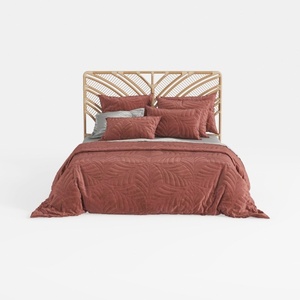

Rattan Boho Bed with Velvet Bedding 3D Model

Minimalist Solid Pine Wood Low Profile Storage Bench 3D Model

Mid Century Solid Oak Wood Platform Bed With Spindle Headboard 3D Model
Discover the power of Homestyler, the ultimate online home design platform. With its user-friendly design tool, stunning 3D renderings, and a vast selection of DIY video tutorials, you can effortlessly create and visualize your ideal home décor. Transform your dreams into reality today!
Design Now for FREE
































