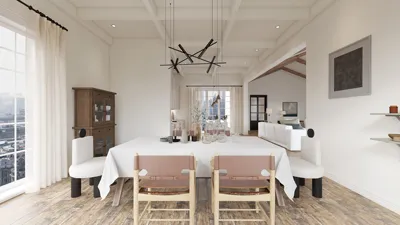


I frequently design for both small urban apartments and spacious homes, where the right sofa is crucial for creating an inviting living room atmosphere. In compact spaces, the importance of scale, proportion, and multifunctionality surpasses any singular aesthetic consideration. A thoughtfully selected compact sofa enhances circulation, maintains visual balance, and facilitates flexibility for hosting without overwhelming the space.
Evidence-based sizing and comfort
In a small living room, the seat depth and overall width are pivotal factors. According to research from Steelcase on workplace seating, individuals tend to shift their posture frequently, benefiting from supportive cushions and upright positions that encourage social interaction. For tight spaces, a seat depth within the range of 19 to 22 inches ensures knees are comfortably aligned while allowing clear walkways. As recommended by the NKBA, maintaining at least 30 to 36 inches for main pathways means a sofa measuring 72 to 78 inches often strikes the ideal balance in studio and one-bedroom apartments.
Lighting greatly influences the perception of spaciousness. The IES suggests uniform ambient lighting with controlled glare; positioning a compact sofa alongside a floor lamp behind or next to its armrests minimizes shadows and visually lightens the piece, giving it a sleeker appearance.
Scale, proportion, and visual balance
In smaller rooms, the arm profile and leg style of a sofa can dramatically affect how bulky it appears. Opting for narrow or track arms helps reduce perceived volume, while elevated legs expose more floor space, enhancing the feeling of openness. I aim for back heights that clear windowsills without obstructing light—typically around 30 to 34 inches. Low-profile backs and tight-seat cushions convey a modern aesthetic, while tufting or overstuffed designs can add visual weight.
Color psychology subtly impacts ambiance. Insights from Verywell Mind suggest that lighter neutrals foster tranquility and a sense of space; pairing a light-colored sofa with slightly darker walls creates an appealing contrast that emphasizes edges and maintains an airy feeling. For those who prefer color, incorporating throw pillows or a patterned rug can introduce vibrancy without weighing down the sofa’s appearance.
Multifunctional designs for small spaces
When floor area is at a premium, the sofa must be adaptable. I seek modular two-seat sectionals with reversible chaises, storage-lift seats, or sleeper designs that remain slim. A bench-seat cushion creates a seamless look and allows more guests to be accommodated. Slim arms equipped with integrated shelves or magazine pockets enhance functionality without taking up extra space.
For effective layout testing, utilizing an interior design planner can help simulate clearances around doors and media units, ensuring comfortable movement and a balanced focal point. A tool like Homestyler can assist in visualizing traffic paths, seating arrangements, and coffee table positioning.
Comfort-first ergonomics
Ergonomic comfort centers around the density of seat foam (medium-high resilience to prevent sinking), a seat angle between 95 and 105 degrees, and arm heights that align with natural resting positions. The WELL v2 guidelines advocate for ergonomic support and variation in seating posture; for a compact sofa, it’s essential to avoid overly deep loungers that promote slouching, and consider adding a lumbar pillow for tailored support across different body types.
Materials and durability that endure
In small spaces, every surface is under scrutiny. Performance fabrics with over 30,000 double rubs for abrasion resistance are ideal for regular use; tight weaves can resist pilling. For pet owners, mid-tone fabrics featuring subtle textures help camouflage pet hair better than flat darks or whites. It's wise to choose sustainably sourced frames—such as kiln-dried hardwood with corner-blocked joints—to ensure longevity and minimize creaking in acoustically sensitive tight spaces.
Light environment and glare management
Compact living rooms often depend on a singular window or various lamp sources. To adhere to IES best practices, layering ambient light (such as soft ceiling or wall washes), task lighting (placing a reading lamp near the sofa), and accent lighting (like sconces or LED strips) can help diminish glare on TVs and glossy tables. Dimmable warm-white LEDs in the 2700 to 3000K range facilitate inviting evening gatherings without washing out colors.
Acoustic comfort in enclosed spaces
Hard flooring and narrow walls can amplify sound levels. A sofa featuring soft upholstery, paired with a rug and fabric curtains, can help absorb sound reflections. If the room serves dual purposes, such as a home office, positioning the sofa away from corners can minimize bass build-up during calls or media sessions. It's advisable to avoid glass-topped coffee tables near the sofa; instead, choose wooden or upholstered ottomans that can absorb noise.
Spatial ratios and flow
The sofa should seamlessly align with the room’s flow. I apply a 60/40 rule: allocate 60 percent of space for primary seating and circulation, while reserving 40 percent for secondary pieces (such as accent chairs, side tables, and storage options). The coffee table should be positioned 14 to 18 inches from the sofa's front for an accessible reach, and visually align the table’s width with two-thirds of the sofa length to maintain a balanced look.
Recommended small living room sofa styles
Opt for sofas featuring clean lines, track arms, and raised legs to provide additional seating without visual disruption. Pair it with a slim 16 to 18 inch deep console behind to anchor lighting and storage.
Consider modern tri-fold or click-clack designs that keep a low profile. Perfect for hosting in studio apartments without compromising daily comfort.
Look for a two-seat base equipped with a movable chaise cushion. This adaptability lets you adjust for door swings and TV sightlines, proving useful in rental layouts that may change.
A 60 to 66 inch loveseat paired with a swivel chair optimizes conversation angles while fitting snugly in smaller rooms. Swivels allow for easy reorientation without dragging furniture.
Choose sofas deep enough for comfort yet configured as narrow blocks. You can add or remove sections as needed to suit evolving spaces; armless components help minimize bulk.
Layout strategies to maximize space
Position the sofa 6 to 8 inches off the wall to enhance airflow and allow for drapery. Angle a swivel chair to maintain clear paths to doors. If the TV is mounted on the wall, center the sofa accordingly and utilize a narrow media shelf to optimize storage without consuming floor depth. Employ a layout simulation tool like Homestyler to trial different configurations and ensure adequate coffee table reach.
Pro tip: accurate measuring is crucial
I always begin with three critical measurements: the minimum walkway (30 to 36 inches), sofa seat depth (19 to 22 inches), and coffee table clearance (14 to 18 inches). Mark these out on the floor before making any purchases. Verify door swing dimensions and elevator specifications for delivery, especially since smaller rooms often reside in large buildings with narrower corridors.
Design trends for 2024–2025
Expect to see compact sofas with integrated storage, boucle and performance linens in soft neutral tones, and slender-legged silhouettes continue to trend. Modular systems crafted from sustainable materials and featuring reversible components cater to both renters and long-term homeowners. Warm LED lighting combined with matte finishes helps reduce glare while highlighting texture.
Frequently asked questions
Look for sofa lengths of 72 to 78 inches combined with a seat depth of 19 to 22 inches. This configuration preserves walkways of 30 to 36 inches and maintains balanced proportions.
Modern sleeper mechanisms equipped with supportive foam or hybrid mattresses can provide comfort, provided the seat angle and cushion density are properly adjusted. Always test both sitting and sleeping modes before making a purchase.
Raise the sofa on slim legs, incorporate light-colored pillows, and ensure layered lighting. A floor lamp behind the sofa minimizes shadows, helping the silhouette appear lighter.
Track arms or slim square arms are ideal. They reduce width and offer a contemporary feel. Avoid rolled arms in compact spaces unless softer edges are necessary.
Yes, provided the chaise can be reversed or moved. This option allows for lounging without the need for additional chairs and can adapt to door swings or social gatherings.
Choose performance fabrics that meet the standards of 30,000+ double rubs and tight weaves. Mid-tone colors are effective at hiding wear and pet hair compared to extreme shades.
Maintain a distance of 14 to 18 inches between the front of the sofa and the edge of the table for comfortable access, without bumping knees.
Absolutely. According to IES recommendations, well-balanced ambient and task lighting diminishes harsh shadows, allowing forms to appear sleeker and the room to feel more expansive.
Use a room visualization tool like Homestyler to simulate circulation and seating angles effectively. This can greatly assist in planning your layout.
Position the loveseat along the focal axis and angle a swivel chair by 20 to 30 degrees towards it. Ensure clear pathways of 30 to 36 inches around both pieces.
Low backs (30 to 34 inches) promote lightness and keep windows unobstructed. Conversely, high backs can dominate small spaces, so use them sparingly.
Kiln-dried hardwood frames, replaceable cushions, and durable fabrics minimize waste while enhancing longevity—essential when every piece needs to serve a purpose.
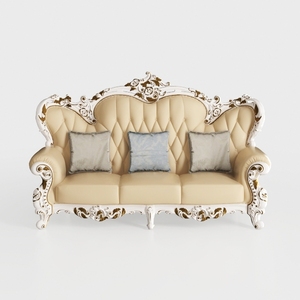
Baroque Luxury Leather Tufted Three Seat Sofa 3D Model
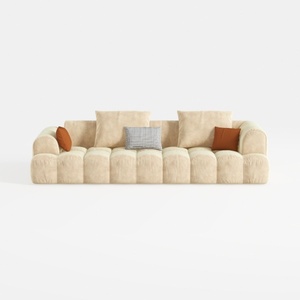

Minimalist Fabric Large Sofa With Decorative Throw Pillows 3D Model

Minimalist Vintage Leather Extra Large Sofa 3D Model
Homestyler is your go-to online platform for home design! With its user-friendly design tool, stunning 3D renderings, and a wealth of DIY video tutorials, you can effortlessly transform your space. Explore endless design projects and unleash your creativity—it's perfect for beginners and professionals alike!
Design jetzt kostenlos
































