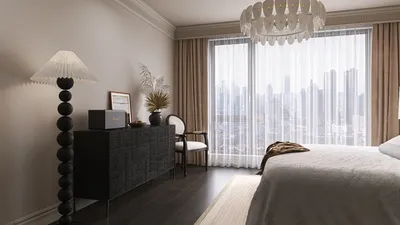


Over the past ten years, I have focused on designing compact homes that maximize their living space, and one of my preferred designs is a small modern bungalow. The primary aim is straightforward: ensure smooth circulation, ample natural light, and seamless storage solutions that blend into the home’s architecture. In a small living space, it’s essential that every inch serves a purpose without giving a cluttered impression.
Research supports our intuitive understanding that access to natural light enhances wellbeing and focus, which can significantly influence the atmosphere and functionality of a small home. The WELL v2 framework also highlights the importance of visual and acoustic comfort in everyday life, establishing performance standards for light quality, glare management, and sound reduction—all crucial elements in compact designs where spaces often share walls. My designs intentionally adhere to these criteria to prevent spaces that may initially appear appealing but ultimately strain the occupants over time. According to Verywell Mind, calming colors like soft blues and greens can help alleviate stress and foster a sense of openness, a clever approach that makes even a tiny living room feel more spacious and serene.
When initiating the design of a bungalow, I begin by establishing a central axis: a straightforward pathway that connects the entryway to the kitchen and extends out to a terrace. This axis facilitates natural light, views, and airflow—three vital components that contribute to a more expansive feeling in a small home. For visualizing furniture arrangements or partition alternatives, utilizing a layout simulation tool such as Homestyler can help you explore circulation paths, turning radiuses, and multifunctional areas before making a final decision.
Essential Elements of a Space-Conscious Bungalow
A modern small bungalow flourishes on simplicity: streamlined forms, single-story layouts, and clear connections to outdoor spaces. My target is a division of 60% for communal areas and 40% for private spaces. This typically translates into a combined living/kitchen/dining area comprising around 60% of the total footprint, leaving the remaining space for bedrooms and bathrooms. Implementing sliding or pocket doors conserves movement space, while integrated cabinetry replaces standalone furnishings, optimizing floor area.
Light, Views, and Glare Management
Natural light does more than illuminate; it influences behavior. The Illuminating Engineering Society suggests task lighting levels between 300-500 lux for activities like reading and food preparation. I complement this with ambient light levels of 150-300 lux in living spaces to avoid harsh contrasts and eye fatigue. My lighting strategy includes a soft ambient ceiling wash, task lights positioned at counters, and accent lighting to highlight crucial vertical elements. It’s essential to maintain consistent color temperatures—about 2700-3000K in living areas and 3000-3500K in kitchens for a cozy, modern ambiance. Opting for matte finishes minimizes glare, and selecting glazing with low U-factors and suitable SHGC ensures effective temperature control without sacrificing daylight.
Open Layouts Without Excessive Noise
While open floor plans can enhance social interactions, they can also amplify noise levels. To mitigate this, I avoid typical “hard box” acoustics by incorporating a variety of materials: a rug with sound-absorbing underlay, upholstered furniture, drapery with some weight, and decorative acoustic panels that enhance aesthetics. The WELL v2 framework recommends limiting background noise and reverberation times, aiming for an RT60 of about 0.4-0.6 seconds in living spaces to ensure clear conversations.
Clever Storage Solutions
In the realm of compact living, storage serves as the backbone. I envision walls as furniture: 12-16 inch deep built-in units along circulation areas, drawers nestled beneath seating, and toe-kick pull-outs within kitchens. In bedrooms, full-height wardrobes with integrated lighting eliminate the need for bulky dressers. Hallways can transform into small libraries when niches are thoughtfully designed to accommodate 8-10 inch deep shelves for books while still maintaining sufficient width for comfortable passage.
Kitchen Functionality and Ergonomics
I prefer either a galley or L-shaped kitchen that features a compact working triangle. Maintain a clearance of 42 inches for single-cook lanes, or 48 inches for spaces shared by two people. Counter heights of 36 inches are standard, with a seated prep area at 30 inches for those who enjoy cooking with children or require variety in their tasks. Tall storage should be positioned at the ends to preserve sight lines, and when space permits, recess appliances to streamline the overall appearance. Under-cabinet task lighting set at 300-500 lux prevents shadows during food preparation.
Bedrooms and Versatile Spaces
In a compact bungalow, it’s common for a single room to serve multiple functions. A guest room can double as a studio, complete with a wall bed and integrated desk. I ensure outlets are accessible for both uses: task power at desk height, ambient lighting switched at the bed’s wall, and a dimmable reading light to minimize melatonin disruption overnight. The color scheme tends to be tranquil—soft greens or muted blues—considering Verywell Mind’s findings on their calming effects.
Compact Yet Cozy Bathrooms
Wet rooms are a smart choice for maximizing space, bringing together shower and tub areas behind a single glass panel. Where permitted by code, I favor pocket doors to minimize swing, and using dark grout on floor tiles can help conceal wear and tear. Layering lighting is essential: sconces at eye level for tasks, ambient ceiling lights for general activities, and a gentle night mode. Effective ventilation is a must—acoustic-rated fans reduce noise while controlling humidity levels.
Expanding Outdoor Areas and Transitional Spaces
A small home can extend into its outdoor spaces. I design terraces or porches that directly connect to the main living area, allowing the interior to borrow space from the outside. I aim to align indoor flooring with outdoor decking in similar color tones to blur the boundaries. Plantings can also enhance privacy; a strategic mix of tall grasses, small trees, and evergreen hedges not only filters views but also allows daylight to permeate.
Sustainable Material Choices
In the design of compact homes, it’s vital to select materials that are both durable and require minimal upkeep. My preference leans towards FSC-certified woods, stain-resistant quartz countertops, and high-performance vinyl or porcelain tiles for wet areas. Choosing low-VOC finishes is crucial for preserving indoor air quality. I advocate for a restrained material palette—utilizing two primary materials and one accent—to create a calming rather than busy environment.
The Psychology of Color and Visual Harmony
Color can create optical illusions. Cool tones tend to recede, neutrals offer stability, and warm accents provide energy. I apply richer colors vertically in narrow bands to create rhythm without overwhelming surfaces. Keeping ceilings lighter than the walls enhances the perceived height, while tone-on-tone cabinetry ensures that storage integrates seamlessly with the architecture.
Design Trends for Compact Bungalows in 2024–2025
Currently, I observe three major trends gaining traction: multi-functional spaces equipped with integrated technology, biophilic lighting that aligns with circadian rhythms, and compact furniture that emphasizes generous ergonomics. Although furniture sizes may shrink, the importance of cushion depth, lumbar support, and overall human factors has never been more pronounced. It’s wise to invest in fewer, higher-quality pieces that complement your layout.
Layout Planning Essentials
Commence with the pathways and visual corridors in your design. Arrange seating to face windows or gardens, ensuring walkways are at least 36 inches wide, and experiment with various furniture arrangements. If you’re exploring different configurations—such as a sofa chaise versus two armchairs, or an island versus a peninsula—utilizing an interior layout planner like Homestyler can help you simulate proportions, light distribution, and movement flow effectively.
Expert Insights
For guidance on daylight ratios and glare management, I rely on IES standards, while WELL v2 serves as my reference for occupant comfort and health benchmarks. Insights gleaned from Steelcase research concerning daylight and attentiveness also apply here since human factors remain consistent in home environments. Utilizing these authoritative resources ensures my designs are not just aesthetically pleasing but also functionally robust.
Frequently Asked Questions
Q1: What ratio of rooms is optimal for a small bungalow?
A1: Aim for approximately 60% of the space for communal use (living, kitchen, dining) and 40% for private areas (bedrooms, bathrooms). This arrangement supports social interaction while maintaining efficient circulation.
Q2: What space should I allocate in a compact kitchen?
A2: Ensure at least 42 inches for a single cook and 48 inches for two. This provides enough room to maneuver safely and promotes ergonomic movement.
Q3: What are the ideal lighting levels for comfort in small rooms?
A3: Aim for 150-300 lux in ambient living spaces, and 300-500 lux for tasks like reading or cooking. Utilize warm-white lighting (2700-3000K) in living areas and slightly cooler options (3000-3500K) in kitchens.
Q4: How can I mitigate noise in an open-plan bungalow?
A4: Integrate soft finishes—such as rugs, curtains, and upholstered furniture—and include acoustic panels. Target a reverberation time of around 0.4-0.6 seconds for living areas.
Q5: Which colors can help a small home appear more spacious?
A5: Soft, cool hues such as pale blue or green visually recede, while light neutrals on ceilings can enhance perceived height. Use deeper accent colors sparingly to keep energy levels up.
Q6: How can I incorporate storage without creating visual clutter?
A6: Thoughtfully integrate full-height cabinetry, toe-kick drawers, and seating with hidden storage. Utilize tone-on-tone finishes to ensure that storage blends harmoniously within the living space.
Q7: Are pocket doors beneficial in compact layouts?
A7: Indeed, if permitted by local codes. They eliminate swinging conflicts and help maintain clear passageways, especially in high-traffic areas such as between living rooms, bathrooms, and closets.
Q8: What outdoor design approaches can help expand a small footprint?
A8: Create direct connections from living rooms to porches or terraces, align floor materials seamlessly, and use layered planting to improve privacy without obstructing natural light.
Q9: How do I select furniture for flexible use?
A9: Opt for modular furnishings—such as wall beds and nesting tables. Test various configurations using a room design visualization tool like Homestyler before finalizing any purchases.
Q10: What guidelines should inform my decisions regarding comfort?
A10: Consult IES standards for lighting quality and WELL v2 for visual and acoustic comfort benchmarks. Insight from Steelcase research on daylight and attentiveness provides valuable context surrounding human factors.
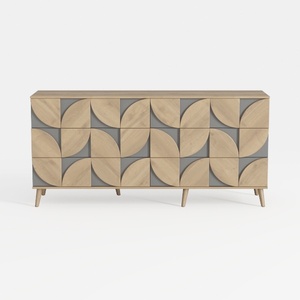
Modern Geometric Pattern Solid Wood Sideboard Cabinet 3D Model
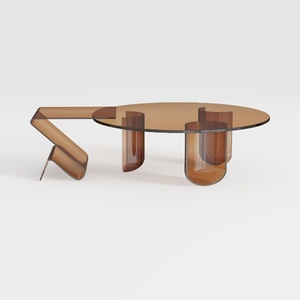
Round Coffee Table Modern Glass Coffee Table with
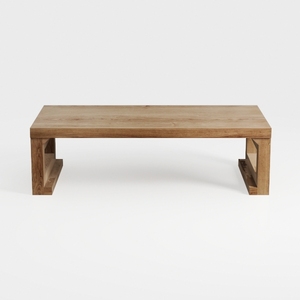
Bed Table Bed Desk Living Room Simple and Creative
Discover the creative potential of your home with Homestyler! This intuitive online design platform offers powerful tools for 3D rendering, a wealth of design projects, and engaging DIY video tutorials. Perfect for all skill levels, it makes transforming your space fun and easy!
Design Now for FREE
































