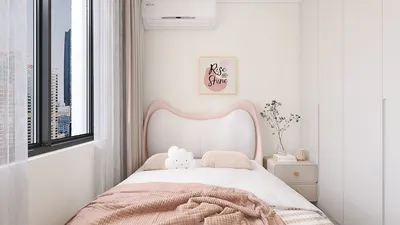


A sangeet is all about vibrant energy, rhythm, and meaningful connections. In designing function halls for these events, my focus is on crafting spaces that celebrate music and movement while simplifying logistics for families, vendors, and performers alike. The essence of the design is to create an environment that enhances joy without overwhelming the senses—featuring clear sightlines, layered acoustics, fluid circulation, and atmospheric lighting that transitions beautifully from the welcoming moments to the grand finale. Using Homestyler allows for a smooth execution of these design principles.
To create memorable events, guest comfort is paramount. Research conducted by Steelcase shows a direct correlation between environmental conditions and guests' perceived experiences. Their studies indicate that optimal sound, light, and layout significantly enhance satisfaction. Correspondingly, the WELL v2 guidelines emphasize vital factors such as glare control, flicker-free lighting, and appropriate levels of illuminance to ensure comfort. By applying these insights to the sangeet atmosphere—employing warm 2700–3000K ambient lighting, precisely measured stage illuminance, and sound absorption techniques—I enable guests to interact, enjoy performances, and dance freely without feeling overwhelmed.
Music lies at the core of the sangeet, making acoustic planning essential. Steelcase’s findings on noise distractions reveal that unmanaged sound can escalate stress and diminish enjoyment. In practice, I incorporate a blend of absorptive wall panels (NRC 0.7+), upholstered seating zones, and soft-textured rugs to reduce echo. Onstage, I integrate directional speakers and basic diffusion behind the performers to enhance vocal clarity while preventing harsh sound hotspots. These straightforward modifications help stabilize reverberation in the space, targeting RT60 around 0.8–1.2 seconds to promote clear conversations throughout the venue.
Entry and Procession Flow
Typically, a sangeet kicks off with a welcoming procession. I design the entry to be spacious—ideally maintaining a clear width of 3–4 meters—while strategically using layered lighting cues like soft lanterns or uplights to guide attendees toward registration or photo opportunities. Wayfinding banners and subtle floor graphics help mitigate crowding, and I position the bar or chai station slightly off the main thoroughfare to prevent bottlenecks. Additionally, a designated gift table near the entry ensures a smooth flow without interrupting movement throughout the hall.
Stage Design and Sightlines
The stage serves as the focal point of the evening's festivities. I aim for a stage height of 450–600 mm with a depth of 3–5 meters to accommodate performances and props effectively. Considering sightlines is crucial: the first row of seating should be placed 1.5–2 meters from the stage's edge, with the farthest seats maintaining a 12–15° vertical viewing angle for optimal comfort. If the venue's width exceeds 20 meters, side risers or a shallow runway may be added to enhance proximity between performers and the audience. Utilizing a room layout tool, such as Homestyler, aids in visualizing seating arrangements, aisle spacing, and safe exit paths.
Lighting That Elevates Mood
I design the lighting journey for the sangeet around the event’s narrative. The ambient light remains warm (2700–3000K) to enhance the appearance of skin tones and décor. During performances, accent lighting on stage provides 700–1000 lux, while dining areas maintain around 200–300 lux for enjoyable conversation. I deliberately avoid harsh lighting and uncontrolled glare; adhering to WELL v2 guidelines ensures glare management and flicker-free technology are prioritized. Uplighting on backdrop fabrics and floral displays adds dimension without overshadowing guests. Dynamic lighting cues—subtle color changes for couple entries, clean whites during choreographed pieces, and warm amber during family moments—help maintain a cohesive atmosphere.
Color Psychology and Décor Layers
Color plays a pivotal role in setting the emotional tone. Insights from Verywell Mind indicate that warm colors foster sociability; hence, I incorporate coral, marigold, and saffron in reception areas while opting for structured jewel tones (emerald, ruby, indigo) for the stage, ensuring they photograph beautifully. Decorative patterns should enhance rhythm without causing distraction: repeating motifs across drapery, table runners, and signage weaves a coherent story. Reflective materials—like lacquered trays and mirrored pedestals—can shine under controlled lighting but should be managed carefully to avoid glare in photographs.
Dance Floor and Audience Zones
The dance floor should offer both friction and flexibility. High-gloss tiles are avoided in favor of sprung wood or vinyl surfaces that protect guests' joints. The size of the dance floor should correspond to the number of attendees: a 6×8 meter area is adequate for 150–200 guests, while larger crowds require an 8×10 meter space. I maintain 1.2–1.5 meter aisles around the dance floor to facilitate safe movement for photographers, children, and servers. If the layout becomes intricate, utilizing an interior layout planner can quickly simulate configurations to ensure smooth circulation and accessible exit routes.
Acoustic Strategy for Live and DJ Sets
Achieving a balance between live performances and DJ sets requires strategic zoning. I arrange dense seating away from subwoofers and designate tranquil areas for buffet discussions. Utilizing soft seating clusters—such as ottomans and upholstered benches—helps diffuse sound and promotes conversation. I ensure stage monitors are positioned to avoid feedback and maintain microphone stands away from reflective backdrops. As the DJ set begins, a subtle reduction in ambient light combined with focused perimeter lighting helps guests navigate as the dance floor comes alive.
Food and Beverage Flow
Managing food service effectively can prevent congestion. I arrange buffet stations in a U or double-line layout with 1.5-meter-wide aisles and staggered dessert stations to spread out traffic. Hydration stations—such as water, nimbu pani, or infused beverage dispensers—should be conveniently located near the dance floor exit to keep guests refreshed. For seated meals, I ensure 600 mm clearance between table edges and walls, while banquet lines require 900 mm between chair backs across rows for unobstructed service flow.
Family Seating and VIP Comfort
For the comfort of elders and important family members, I create a semi-buffered VIP area 8–12 meters from the stage, providing elevated seating with softer sound levels. Strategically placed floor lamps or patterned screens offer privacy without cutting them off from the festivities. Kids' corners with craft tables and cushioned mats are positioned nearby, allowing parents to relax while keeping an eye on the dance floor.
Photo Ops, Backdrops, and Content Capture
In the age of social media, sangeets are filled with opportunities for content creation. I incorporate a dedicated photo backdrop highlighted by indirect lighting and anti-glare fabrics, strategically placed away from main circulation pathways. A secondary candid photography area near the bar fosters spontaneous captures. I take care of cable management by securing taped runs and power strips to ensure videographers can work safely. If the hall has a low ceiling, I utilize side lighting with softboxes rather than overhead fixtures to minimize shadows on guests' faces.
Materials, Sustainability, and Clean-Up
Creating temporary decor can be environmentally responsible. Utilizing reusable fabric, modular arches, and live potted plants minimizes waste. I steer clear of materials like glitter and fragile foil balloons that complicate cleanup processes. For tabletops, I favor natural fibers—like cotton and jute—both for their soft acoustics and beautiful photography qualities. Where feasible, I opt for LED lighting with a high color rendering index (CRI 90+) to ensure accurate color capture and enhance energy efficiency.
Safety, Accessibility, and Egress
Accessibility is vital for event success. I ensure step-free pathways from the entrance to both the stage and dance floor, utilizing ramps with a slope of no greater than 1:12. Clear, contrasting floor edges aid navigation in dim light. Fire exits remain unobstructed, while aisle runners are securely anchored to prevent tripping. I mark cable paths and maintain fog machines away from exit signage and fire detectors to ensure safety.
Run-of-Show and Micro-Zones
A successful sangeet benefits from defined micro-zones: a welcome lounge, stage viewing, dance floor, dining areas, bar, children's activities, and photo opportunities. The run-of-show coordinates lighting changes, sound intensities, and guest movement. Gentle transitions—such as a brief emcee pause between sets to reset sound levels or a gradual lighting adjustment before couple dances—maintain energy without creating chaos.
Technology Integration
Incorporating reliable technology is crucial. I utilize wireless microphones, compact mixers, and dependable playback systems to ensure a seamless experience. The tech desk is ideally situated for unobscured views of both the stage and dance floor, often on a raised platform. Additionally, backup audio systems prevent any delays during speeches, while clearly defined tripod zones help manage audience expectations regarding drone usage, if applicable.
Budget-Smart Moves
Making an impact doesn’t necessitate excessive spending. I prioritize investing in acoustics and lighting first—these two elements have the most significant influence on guest experiences. Layering fabric and floral arrangements can be scaled appropriately, while thoughtful seating layouts produce noticeable improvements at minimal costs. Utilizing a room design visualization tool like Homestyler can help test various options before finalizing rental decisions.
To inform my design choices, I rely on frameworks like WELL v2 for lighting quality, glare management, and visual comfort, along with Steelcase research that links environmental factors to user experiences. The insights gained translate well from office spaces to event designs, informing decisions related to illuminance, sound management, and layout effectiveness.
FAQ
Q1: What color temperature works best for a sangeet?
A1: For a sangeet, warm ambient lighting between 2700–3000K complements both skin tones and décor, with focused stage lighting delivering 700–1000 lux during performances. Dining areas should maintain around 200–300 lux for comfortable conversations.
Q2: How large should the dance floor be?
A2: For gatherings of 150–200 guests, a dance floor of 6×8 meters is sufficient for both group performances and open dancing; however, for larger crowds, an increase to 8×10 meters is recommended. Opt for sprung wood or vinyl surfaces to safeguard joint health.
Q3: How can I reduce echo in a tall hall?
A3: The introduction of absorptive wall panels (NRC 0.7+), area rugs, upholstered seating islands, and fabric drapes can significantly mitigate echo. Target an RT60 of approximately 0.8–1.2 seconds to ensure intelligible speech and clear music.
Q4: What’s the ideal stage height?
A4: A stage height of 450–600 mm strikes a balance between visibility and accessibility. It’s important to ensure a clearance of 1.5–2 meters to the first seating row while providing unobstructed lateral aisles.
Q5: How should the buffet be arranged?
A5: Buffet stations should adopt a U-shaped or double-line format, ensuring 1.5 meters of clear aisles. Separate dessert and beverage stations to alleviate congestion and prevent bottlenecking at any single point.
Q6: How do I plan seating for elders and VIPs?
A6: Devise a semi-buffered VIP area positioned 8–12 meters from the stage, providing softer sound levels and elevated seating. Ensure easy access without steps and uninterrupted sightlines for optimal viewing.
Q7: What research supports these lighting and comfort choices?
A7: The WELL v2 framework underscores the importance of glare control and flicker-free lighting for visual comfort, while Steelcase’s research correlates environmental quality with attendee engagement and satisfaction, both of which are critical to effective event design.
Q8: How can we keep cables and tech safe during performances?
A8: Implement taped cable pathways, guarded power strips, and designate specific tripod zones. Ensure the tech desk provides a clear sightline to both stage and dance floor while establishing backup audio channels to prevent interruptions.
Q9: Are there sustainable décor options for a sangeet?
A9: Reusable fabric installations, modular arches, potted floral arrangements, energy-efficient LED lighting with a high color rendering index, and linens made from natural fibers contribute to reducing waste while enhancing both acoustic properties and visual aesthetics.
Q10: What layout tools can help before booking rentals?
A10: Utilizing layout simulation tools allows for testing seating configurations, aisle widths, and dance floor sizes to ensure smooth circulation and accessible egress before finalizing any decorative elements or furniture arrangements.


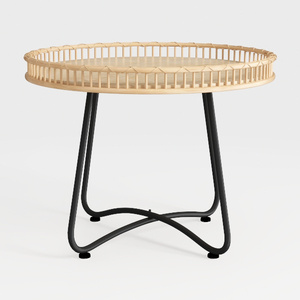
Minimalist Rattan Metal Round Side Table 3D Model
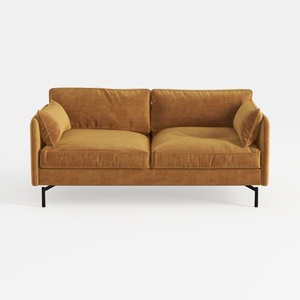
Modern Velvet Upholstered 2 Seater Sofa With Black Metal Legs 3D Model
Homestyler is your go-to online home design platform, perfect for unleashing your creativity! With an easy-to-use design tool, stunning 3D renderings, and a treasure trove of DIY video tutorials, you can transform your space effortlessly. Start bringing your dream home to life today!
立即免费设计
































