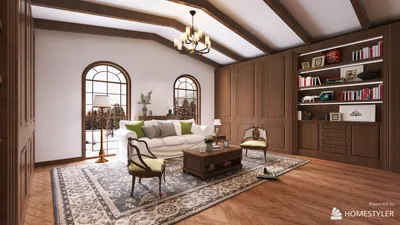


Once, a father approached me with a challenge to design a room that simultaneously resembled a jungle, a laboratory, and a racetrack. While I almost suggested incorporating a zip line, I quickly recalled the importance of adhering to safety codes. This engaging project taught me the value of starting with a clear vision and sketching the entire layout in 3D using Homestyler, ensuring that every element, from toys to the bed and storage, fits harmoniously together.
1. Divide the room into zones for sleeping, playing, and learning
I find it effective to establish distinct micro-zones: a snug sleeping area, a carpeted play section, and a low table for early writing. This organization not only aids a five-year-old in developing routines but also prevents clutter from spiraling out of control. The challenge lies in maintaining disciplined boundaries, a learning experience for both parents and children.
save pin
2. Implement vertical storage accessible to children
Incorporating open shelves, cubbies, and labeled bins at toddler height empowers children to participate in clean-up activities and fosters independence. I suggest using durable, washable bins alongside a few concealed drawers for art supplies, although it may require some guidance to maintain a meaningful labeling system, the results are certainly rewarding.
save pin
3. Opt for adaptable furniture that evolves
Choosing loft or raised beds creates a fort-like atmosphere while maximizing floor space for play; lower bunks and convertible desks enhance longevity. In compact spaces, I always recommend planning for mobility or folding capabilities, hence the importance of optimizing every inch before acquiring larger items — it helps avoid returns and disappointments.
save pin
4. Select long-lasting finishes and designate an art wall
I consistently choose washable paint or scrubbable wallpaper for lower walls and dedicate one area as a dynamic art display. Children enjoy showcasing their creations, and it’s a reality that scuffs do occur — opting for easily maintainable finishes simplifies touch-ups significantly.
save pin
5. Incorporate varied lighting, focus on nighttime safety, and comfy reading spots
A layered lighting approach — comprising ceiling lights, task lamps, and a gentle night light — fosters bedtime independence and enhances reading experiences. Establishing a cozy reading nook with cushions and a low shelf enables children to select their books; some families even ask for advice on fabricating a whimsical reading corner, a delightful small indulgence that promises daily use.
save pin
FAQ
Q1: Which themes are ideal for a 5-year-old boy?
I typically suggest broad themes such as explorers, vehicles, or outer space — these themes can easily adapt as interests evolve. Subtle motifs, like bedding and decals, can be swapped out as new phases emerge.
Q2: What paint colors are most suitable?
Soft neutral shades paired with a single accent wall tend to maintain aesthetic appeal while ensuring the room remains bright and serene. Bold elements can be introduced through textiles and removable decals, allowing you to avoid yearly repainting.
Q3: How do I arrange furniture in a limited space?
Positioning the bed along the longest wall helps to maximize floor area while keeping the play zone close to natural light. Always measure larger items and consider door swings — a quick sketch can prevent unnecessary trips to the store.
Q4: What type of flooring is best for children?
Vinyl or laminate that looks appealing and is easy to clean offers a practical budget solution, complemented by a soft rug for playtime. Steer clear of slippery surfaces and ensure that rugs are equipped with non-slip pads for safety.
Q5: How much storage is considered adequate?
Designing one bin or cubby for each primary toy category (like cars, blocks, crafts) renders cleanup straightforward and visible. Built-in drawers beneath beds or stackable bins serve as budget-friendly options to effectively conceal clutter.
Q6: What is the safest bed option for a five-year-old?
Choosing a low platform bed or a toddler transition bed minimizes fall risks and offers a sense of security; loft beds can be enjoyable but must include guardrails and be used appropriately for the child’s age. Ensure any ladders are sturdy and easily navigable for little feet.
Q7: What essential safety tips should be followed?
Securing furniture to the wall, utilizing cordless window treatments, and avoiding heavy decorations above the bed are straightforward measures that help prevent serious accidents. For more comprehensive guidance on sleep and overall safety, consult the recommendations from the American Academy of Pediatrics (AAP) at HealthyChildren.org.
Q8: How can I design a room on a limited budget?
Focus on acquiring durable essentials (such as bed, mattress, and storage) while adding character through affordable textiles, decals, and a DIY art display. Thrifted furnishings can be refurbished for a renewed appearance without the hefty price tag.
save pin
Homestyler is your go-to online home design platform, perfect for both novices and seasoned designers. With its user-friendly design tool, stunning 3D renderings, and a wealth of DIY video tutorials, you can effortlessly create and visualize your dream space. Start designing today!
Design Now for FREE
































