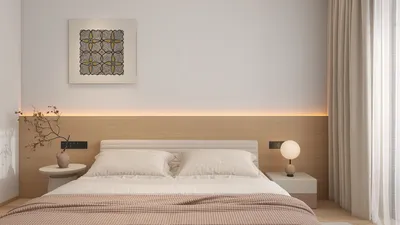


Rooftop rooms provide unique square footage and exquisite skyline views that are typically inaccessible on street level. I envision these spaces as multifunctional living areas that combine the essence of a lounge, studio, and garden, adaptable throughout the day while ensuring comfort in a high-exposure setting. The WELL Building Standard highlights the importance of sufficient daylight exposure for circadian health and minimizing sleep disturbances; yet, controlling glare and heat gain is vital. WELL v2’s Light concept focuses on achieving balanced light levels and visual comfort for various tasks. Additionally, research from Steelcase reveals that environments which foster focus, rejuvenation, and social interaction enhance overall well-being and performance, capturing the core needs of a rooftop room design, especially when utilizing tools such as Homestyler for planning.
In addition to wellness advantages, an effective layout plays a crucial role in maximizing rooftop usage. Herman Miller's findings on workplace efficiency indicate that varied settings promote greater engagement and satisfaction—imagine lounge seating designed for social interactions, elevated edges for quick laptop tasks, and quiet corners for leisurely reading. For managing the light, I aim for a horizontal illuminance of around 300-500 lux for seated activities, in accordance with IES guidelines, and maintain color temperatures within the 2700-3500K range during evenings to safeguard circadian rhythms while providing a warm ambiance. To tackle glare, achieving a correct vertical balance of illumination is essential: adjustable shades, light-colored canopies, and movable louvers effectively manage high luminance levels while preserving the views. When experimenting with circulation patterns and furniture placements, utilizing a room layout tool ensures effective visualization of seating arrangements, planting zones, and storage solutions before actual construction begins.
Design Intent: Create Zones Without Walls
I initiate the design process by establishing distinct zones: social, quiet, and utility. The social area is positioned to take advantage of the best view, while the quiet section is nestled behind greenery or a partial screen, and utility areas (including storage, bar, grill, and planters) are arranged along the parapet for easy accessibility. A ratio of 60% for social/lounge spaces, 30% for quiet retreats, and 10% for utilities proves to be effective. Circulation is designed to flow seamlessly so that guests have a clear path. Low-profile modular sofas define the social area, whereas a chaise and side table denote the retreat. Meanwhile, a slim galley counter combined with hidden storage creates functional utility space.
Light Environment: Daylight, Shade, and Night Layers
Rooftops often face dramatic contrasts—intense sunlight during the day and profound darkness at night. I employ three layers of lighting: firstly, daylight management through adjustable shade sails and retractable awnings, maintaining balanced vertical illumination; secondly, ambient evening light supplied by dimmable linear LEDs (2700-3000K), integrated beneath parapets or overhangs, and strategically placed step lights for safety; and thirdly, task lighting features, such as swing-arm wall fixtures near reading areas and battery-operated lanterns for tabletop use. Utilizing high-CRI light sources (90+) guarantees accurate color presentation and prevents excessive glare from exposed bulbs. For guidance on achieving an optimal balance of luminance and visual comfort, I recommend consulting IES lighting standards.
Color Psychology: Urban Serenity with Energy
The impact of color transforms in outdoor environments. Bright whites can be dazzling, while darker tones can absorb heat. I strive for a muted palette featuring soft taupe, misty gray, olive green, and clay. To add vibrancy, I incorporate two accent colors: warm saffron cushions and deep teal ceramics. According to findings shared on VerywellMind, warmer colors promote inviting, energetic atmospheres, whereas blues and greens instill tranquility; this balance is perfect for a rooftop that alternates between lively social events and peaceful solitude.
Materials and Sustainability: Weatherproof Without the Plastic Look
I prefer using powder-coated aluminum frames for their lightweight, corrosion-resistant qualities, paired with FSC-certified teak or thermally modified wood for tabletops. Solution-dyed acrylics or recycled PET fabrics are ideal for soft goods as they resist UV degradation and mildew. Outdoor rugs should be polypropylene flatweaves laid with breathable underlay to inhibit moisture buildup. Using pavers with a high Solar Reflectance Index (SRI) helps minimize heat accumulation. When managing stormwater, integrating planters with sub-irrigation reservoirs and selecting drought-resistant plants reduces the requirement for potable water. Sustainable material choices enhance lifespan and lower replacement costs.
Acoustic Comfort: Taming the City Soundscape
Sound bounces off hard rooftop surfaces. To counteract this, I implement layered sound absorption and diffusion strategies: raised planters acting as baffles, dense vegetation for sound diffusion, thicker outdoor fabric for seating, and porous screens. A wooden slat partition backed with weatherproof mineral wool can significantly reduce reflections in the lounge area. Small water features provide pleasant background noise while maintaining low pump sound levels. Careful positioning of quiet seating areas away from mechanical noise and sheltering them with tall plants enhances comfort.
Human Factors and Ergonomics: Scale, Reach, and Comfort
Furniture on rooftops should prioritize human ergonomics. Seating heights should range from 16-18 inches with a back angle of 100-110 degrees to promote relaxed seating. Side tables should be 20-22 inches high for easy access to beverages. For tasks requiring a laptop, consider counters standing at 38-40 inches, paired with stools of 26-28 inches. Pathways should maintain a minimum width of 36 inches for ease of movement, with 42 inches being preferable for social gatherings. Ensure depth lighting for steps and clearly marked treads for safety.
Layout Strategy: Flexible Modules and Hidden Storage
Incorporating modular sections allows flexibility to arrange seating according to seasonal needs and guest counts. I design adaptable pieces, such as benches with hidden storage for cushions and heaters, nesting tables, and lightweight lounge chairs that can be rotated to engage with views or conversation. For long, narrow rooftops, anchoring one end with a built-in banquette preserves floor space while using a slim dining table aligned with the parapet. Testing placements and clearances can be conveniently done with an interior layout planner to simulate shade distributions and traffic patterns effectively.
Planting and Microclimate: Shade, Privacy, and Texture
Plants serve multifaceted roles: they provide shade, create privacy, and enhance acoustic properties. My approach incorporates a blend of tall grasses (to create movement and soften sounds), evergreen shrubs (for structure and seclusion), and seasonal flowering plants (to introduce vibrant colors). Choosing lightweight fiberglass planters helps minimize structural load. Varying heights—24-inch grasses at the perimeter, 36-42 inch shrubs positioned behind seating, and climbing plants trained on trellises—form a soft enclosure without obstructing the skyline views. Drip irrigation systems and moisture sensors streamline maintenance efforts.
Storage, Utilities, and Weather Strategy
The functionality of a rooftop room largely depends on effective storage solutions. Lockable compartments for cushions, throws, and tabletop items keep the space organized. Weatherproof covers should be breathable to avoid moisture retention. Consider outfitting the area with outdoor-rated power outlets near the lounge, USB ports in the storage bench, and a hose connection for cleaning purposes. If your rooftop design permits grilling, position it downwind from the seating areas, ensuring a non-combustible backdrop and employing downdraft or side vent hoods as required.
Visual Rhythm and Proportions: Balance the Skyline
The urban view becomes a captivating artwork, which is why I keep furniture heights under 36 inches along the edges to maintain sight lines. Vertical rhythm is emphasized with planters of varying heights—24, 32, and 40 inches—allowing the skyline to frame through the design elements. Incorporating repetition in textiles and lanterns brings cohesion to the areas, while variations in texture (such as wood grain, woven materials, and pottery glazes) add richness to the overall palette.
Seasonality: Four-Season Comfort Strategies
To accommodate transitional seasons, I recommend implementing portable radiant heaters equipped with safety features and providing wool throws for added warmth. During peak summer, fine misting systems can cool the area without soaking surfaces, while choosing materials with a higher SRI reduces excessive heat. Windbreaks should be porous, allowing for a 40-50% open design for efficient airflow without turbulence.
2024–2025 Trends: Elevated Simplicity and Flexible Social Spaces
Current trends highlight restrained, tactile palettes, low-profile designs that showcase views, and hybrid dining-lounge spaces. Outdoor technology is increasingly subtle, featuring battery-operated lanterns and compact projectors for film nights, along with app-controlled dimming for LED systems. Sustainability and durability remain central to decision-making processes, as comfort-centered layouts with ample walkways begin to replace bulkier furniture arrangements.
Quick Planning Checklist
- Assess structural weight limits before introducing planters or heavy appliances.
- Create a plan outlining three distinct zones and a circulation loop.
- Determine the strategies for shade and evening lighting layers.
- Select durable materials that require low maintenance and have high UV resistance.
- Plan for integrated storage early; ensure utilities are concealed neatly.
- Digitally simulate layouts and test on-site with tape before making purchases.
FAQ
Q1: How can I minimize glare without obstructing the view?
A: Implement light-diffusing shade sails or retractable awnings, strategically positioned to block direct sunlight while maintaining a clear vertical viewing angle. Use darker tabletops or matte finishes to avoid reflective glare, and set evening LEDs to warm 2700-3000K to soften luminance contrasts.
Q2: What lighting levels are ideal for reading or casual working?
A: Aim for an illuminance of 300-500 lux on the designated task surface, utilizing low-glare fixtures and high-CRI lighting. Maintain balanced vertical illumination using indirect lighting along parapets or beneath benches for comfortable adaptation of the eyes.
Q3: Which materials are durable against sun and rain yet not plasticky?
A: Select powder-coated aluminum frames, FSC-certified teak or thermally treated wood table surfaces, solution-dyed acrylic or recycled PET materials, and polypropylene flat-weave rugs. These choices stand up to UV exposure, maintain their shape, and offer a tactile experience.
Q4: How can I enhance rooftop acoustics?
A: Increase sound absorption and diffusion by including upholstered seating with thicker cores, taller grasses and shrubs, wood slat screens with permeable backing, and a gentle water feature for atmospheric masking. Avoid hard, flat surfaces that amplify sound across the deck.
Q5: What’s an effective strategy for zoning a compact rooftop?
A: Utilize a built-in seating area to maximize floor space, opt for a compact table adaptable for buffet use, and include a single lounge chair accompanied by a movable ottoman. Differentiate zones using rug textures and clusters of plants instead of physical barriers.
Q6: How can I keep the rooftop comfortable throughout the year?
A: During colder months, use portable heaters and windscreen designs featuring 40-50% openness to maintain warmth while minimizing airflow disruption. Summer solutions should incorporate high-SRI surfaces, shade sails, and optional misting systems for peak sun conditions.
Q7: What ergonomic measurements should I follow?
A: Optimal lounge seat heights should be 16-18 inches with a back angle around 100-110 degrees, side tables should sit at 20-22 inches, counters should be between 38-40 inches with stools at approximately 26-28 inches, and pathways should be a minimum of 36-42 inches wide to facilitate movement.
Q8: How can I effectively plan layouts before purchasing furniture?
A: Use tape to outline furniture dimensions on-site to evaluate circulation and sightlines, then create a digital prototype with a room design visualization tool to simulate shade parameters, seating quantities, and storage arrangements. Adjust configurations based on seasonal needs and guest volume.
Q9: What is the best color scheme for urban rooftops?
A: Opt for desaturated neutrals (such as taupe, gray, olive, and clay) to minimize glare and heat absorption; add two strategic accent hues—one warm and one cool—to evoke vibrancy and tranquility. Utilizing high-CRI lighting helps keep colors accurate during evening hours.
Q10: How can I integrate plant life without overburdening the rooftop?
A: Select lightweight fiberglass planters, drought-resistant plant species, and utilize sub-irrigation to ease maintenance. Group plants to enhance privacy and shade while ensuring even weight distribution across structural components.
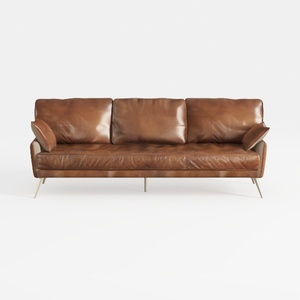
Modern Vintage Leather 3 Seater Sofa With Metal Legs 3D Model

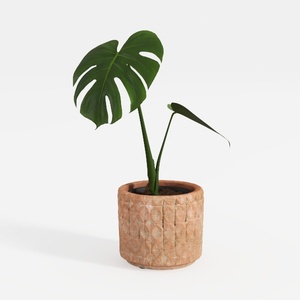

Costa Farms Live Pothos Plant, Easy Grow Vining
Looking to transform your home? Homestyler is your go-to online design platform! With its intuitive design tool, stunning 3D renderings, and a wealth of DIY video tutorials, you can effortlessly create and visualize your dream space, making home design both fun and accessible.
Design jetzt kostenlos
































