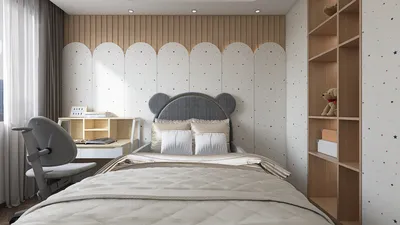


I create Panchakarma rooms designed to provide a sense of restoration even before any therapy begins. The atmosphere is tranquil, warm, easy to navigate, and spotlessly hygienic. The objective is to craft an environment that accommodates treatments like Abhyanga, Swedana, Shirodhara, Basti, and detox therapies seamlessly, while also ensuring that therapists can work efficiently and clients feel respected. This involves fine-tuning lighting, sound, temperature, and selecting materials that are easily cleanable and slip-resistant. Utilizing tools such as Homestyler can greatly enhance the design process.
Human performance data backs these design choices. The WELL v2 standard advocates for treatment room sound levels around NC 30–35 to maintain speech privacy and alleviate stress, while suggesting targets for glare control and circadian-friendly lighting, recommending 300–500 lux for task areas and warmer tones for relaxation. Research by Steelcase indicates that having autonomy and sensory comfort is linked to enhanced wellbeing in care settings, and studies by Gensler show that environments optimized for noise, light, and thermal comfort improve both satisfaction and outcomes. For further insights into human-centered design standards, refer to the WELL Building Standard guidance available at WELL Certified.
The psychology of color is also significant; Verywell Mind highlights that muted greens and warm neutrals are seen as soothing, while bold reds and cool blues can heighten arousal and perceived chill. In a Panchakarma environment—where maintaining body warmth, oil therapy, and controlled breathing are essential—these color cues subtly encourage parasympathetic activity. I emphasize low-sheen finishes, warm lighting (2700–3000K), and visual flows that are calming for the eye: using gentle textures, uncomplicated forms, and effective wayfinding principles.
Understanding the Panchakarma Program and Its Layouts
A well-designed Panchakarma suite generally includes a primary therapy room (for Abhyanga or Shirodhara), a pre-warm section for oils and linens, a Swedana pod or chamber, a sanitation station for handwashing, a discreet path for soiled linens, and a recovery area for clients to regain their balance before re-entering communal spaces. Ideally, the therapy room is strategically located between clean storage and a wet zone, reducing cross-traffic and minimizing contamination risk. For those assessing room layouts or circulation patterns, a simulation tool like the one offered by Homestyler can help visualize functional areas and staff pathways efficiently without needing a complete redesign.
Consideration of Spatial Ratios and Flow
For a therapy setup involving Shirodhara and Abhyanga on a single table, I aim for dimensions of 3.0–3.6 m in length and 2.7–3.0 m in width. This allows for safe circulation around the perimeter (keeping at least 900 mm clear on each side for therapists), plus an extra 900 mm at the head for the Shirodhara vessel and drip pot adjustments. Dedicated clearance is required for Swedana cabinets or pods: 1000–1200 mm for front access and 600 mm on the sides. A seating area for recovery, ideally about 1.2 m x 1.2 m, should feature dimmable lights to ease the transition from bright areas.
Lighting: A Focus on Layers, Lux, and Color
I advocate for layered lighting systems consisting of ambient, task, and accent lighting. The IES guidelines recommend targeting around 300–500 lux for procedures in treatment rooms; however, for Panchakarma, I suggest a calming ambient level of 150–200 lux at 2700–3000K, alongside adjustable task lighting at 300–400 lux with a high Color Rendering Index (CRI ≥90) for assessing skin tones and oils. Dimming capabilities need to be smooth down to 1% for Shirodhara procedures. It is important to shield direct views of light sources to avoid glare, only using wall grazing on textured surfaces to eliminate visual noise. Motion sensors are best avoided in treatment rooms to prevent disruptive lighting changes; instead, opt for manual or scheduled controls with the ability to be overridden by therapists. For comprehensive lighting practices, consult the Illuminating Engineering Society (IES) standards.
Acoustic Design and Noise Management
Aim for NC 30–35 in treatment rooms. To achieve this, use resilient acoustic flooring or cork underlay beneath a seamless, oil-resistant top layer; acoustic ceiling tiles should have a Noise Reduction Coefficient (NRC) of ≥0.70 where suitable, along with sealed doors featuring drop seals. White noise systems should be a last resort; it is preferable to isolate mechanical systems (through vibration mounts and lined ducts), and place pumps and steam generators in noise-treated closets. Ensure that door swings do not disrupt the quiet space around the head of the treatment table.
Ensuring Thermal Comfort and Proper Ventilation
Panchakarma functions optimally at a room temperature of 24–26°C, with additional heating solutions at the treatment table and for warm oil storage. Utilize radiant panels or low-velocity displacement systems to provide consistent warmth without drafts. Areas designated for steam or Swedana require specialized exhaust systems to manage humidity effectively, alongside calibrating the fresh air intake to avoid negative pressure that may draw unwanted scents into public spaces. As oils can emit fumes, high-capture hoods should be specified for warm oil preparation in back-of-house areas when volumes are significant, ensuring the therapy room remains serene and pleasant.
Material Selection, Cleanliness, and Sustainability
Treatments involving significant oil usage necessitate the selection of materials that are non-porous, non-slip, and easy to clean. I recommend seamless vinyl or rubber flooring with coved bases, matte porcelain in wet zones, and solid-surface countertops. Opt for fabrics that resist staining and feature low-sheen to minimize glare. Avoid microtextures that can trap oils; select closed-cell materials instead. Sustainability is crucial: use low-VOC adhesives and finishes, verify slip resistance (≥R10 in wet-prone areas), and insist on durable and easy-to-repair surfaces. Linens should have a dedicated path for soiled items and a sealed hamper area to prevent odors and sustain hygiene.
Effective Water and Oil Management Solutions
Establish an in-room handwashing station (preferably hands-free taps) and a mop sink nearby. Design a dedicated space for warming and decanting oils that includes a stainless steel drip tray and a raised edge to prevent spills. If permissible by code, include a floor drain, but do not rely solely on it for daily cleaning; maintain a gentle floor slope to ensure the table remains stable. Store oils in dark, cool cabinets away from light sources to preserve quality. Ensure plumbing features strainers and interceptors suitable for plant oils; coordinate with local plumbing codes.
Integrating Shirodhara Effectively
For Shirodhara treatments, install a secure ceiling anchor or a stable, lockable stand on castors. Include a heat-resistant collection vessel and a splash guard at the treatment table’s head. Allow for 900 mm of clearance on each side of the therapist, with 1000 mm at the head. Dimming lighting to 50 lux near the client’s line of sight can diminish squinting. Maintain matte finishes around the drip area to reduce glare, allowing clients to maintain a relaxed focus.
Ergonomics Focused on Therapist Wellness
Adjustable table height is essential. Massage and bodywork can lead to repetitive strain injuries, so I ensure that working heights range from 700–900 mm based on the treatment type and the therapist's stature. Providing anti-fatigue mats at key stations and ensuring that storage is within a comfortable reach (600–1200 mm) is vital. For heavy oil containers, shelves should be positioned between 800–1100 mm to minimize bending or reaching overhead. These foundational principles align with best practices in human factors, reducing the risk of injury during lengthy sessions.
Navigating Wayfinding, Privacy, and Client Experience
Clients entering a Panchakarma suite should experience a gradual transition: softer light, warmer tones, and soothing acoustics. Utilize obscured glass or screens at entrances to prevent direct lines of sight. Colors from olive, sage, sand, and ecru palettes evoke a sense of grounding; minimize high-contrast patterns that may overwhelm the eye. Position the most intricate visual elements—such as artwork, niches, or plant arrangements—behind the client’s lying position to maintain a serene visual environment.
Efficient Storage and Back-of-House Design
Storage for clean linens must be sealed and distinctly separated from soiled items. Allocate space for a dedicated cart bay according to your linen cycle and occupancy levels. Implement pullout trays for oils and tools, featuring ribbed liners to manage drips effectively. An undercounter refrigerator can be beneficial for specific Ayurvedic preparations; ensure it is out of sight of clients to maintain a calming ambiance.
Adhering to Codes and Hygiene Standards
Ensure compliance with local codes regarding handwashing facilities, fire ratings for materials, and venting for steam systems. Integrate non-porous wall finishes up to a minimum of 1200 mm in areas prone to splashing. All touchpoints—such as taps, handles, and switches—should be constructed for easy disinfection using neutral pH cleaners that won't damage finishes.
Utilizing Concept Boards and Mock-Ups for Design
Before finalizing millwork and lighting, I conduct full-scale mock-ups in the head-of-table area to assess glare, reach, and circulation dynamics with the therapist team. If you wish to evaluate various setups, utilizing an interior layout planning tool like Homestyler can expedite scenario testing for table positioning, storage arrangements, and steam pod clearances.
Design Trends for 2024–2025
- Implementing circadian-aware dimming with warmer evening settings for later sessions.
- Employing antimicrobial, bleach-tolerant surfaces that maintain a residential feel and calmness.
- Incorporating hidden linear air supply slots to prevent drafts on clients’ skin.
- Installing acoustic doors with soft-close mechanisms to eliminate noise from latches.
- Adding biophilic elements—like preserved moss panels—located away from oil zones for optimal cleanliness.
- Using discreet under-bench heating to enhance comfort for clients transitioning to or from Swedana.
Summary of Specifications for the Room Kit
- Lighting: Set ambient levels at 2700–3000K and 150–200 lux; task lighting at 300–400 lux; CRI ≥90; drivers with 1% smooth dimming; glare shielded.
- Acoustic Solutions: Maintain NC 30–35 levels; NRC ≥0.70 at ceiling; use sealed doors with drop seals; isolate mechanical noise pathways.
- Finishing: Utilize seamless and durable flooring (R10+ in wet areas); install coved bases; select matte wall finishes; ensure solid-surface countertops.
- Ergonomic Design: Ensure height-adjustable tables; leave 900 mm clearance; use anti-fatigue mats; keep storage reachable within 600–1200 mm measurement.
- Thermal Control: Maintain a setpoint of 24–26°C; provide low-velocity airflow systems; include dedicated exhaust for steam; have a heated oil cabinet.
- Hygiene Standards: Use hands-free sinks; establish a soiled linen route; deploy drip trays; implement oil interceptors; design touches to allow easy disinfection.
Frequently Asked Questions
Q1. What is the ideal brightness for a Panchakarma room?
Aim for a serene ambient brightness of around 150–200 lux with warm tones (2700–3000K), and include dimmable task lighting at 300–400 lux for therapists' needs while minimizing glare by avoiding direct visibility of LEDs.
Q2. What acoustic level is recommended?
Design treatment rooms for an NC rating between 30–35. Incorporate acoustic ceiling elements (NRC ≥0.70), use sealed doors, and isolate mechanical noise to preserve tranquility and confidential communication.
Q3. Which colors complement relaxation best?
Muted greens, warm neutrals, and subdued earth tones foster a calming atmosphere, supported by findings in color psychology. It’s best to shy away from high-contrast patterns in the direct line of sight.
Q4. What clearance is necessary for therapists around the table?
Plan for at least 900 mm of clearance on both long sides and 1000 mm at the head for Shirodhara. Ensure pathways are free from cords and carts to minimize tripping risks.
Q5. Which type of flooring is suitable for heavy oil usage?
Select seamless, resilient flooring (either rubber or high-quality vinyl) with coved bases, ensuring slip resistance (R10+ in wet areas). Steer clear of microtextures that could trap oil.
Q6. How should steam and humidity be managed?
Ensure a dedicated exhaust is available for Swedana usage, balance fresh air intake, and utilize low-velocity supply systems to maintain comfort. The room temperature should be set to 24–26°C for optimal client wellbeing.
Q7. Are special plumbing features needed for oils?
Yes, implement strainers and interceptors that are compatible with plant oils to safeguard drains. Design a decanting area featuring a drip tray with raised edges to catch any spills.
Q8. What lighting controls should I incorporate?
Utilize smooth 1% dimming functionality with settings adjustable by therapists. Avoid motion sensors in treatment areas to prevent sudden changes in lighting during therapy.
Q9. How can ergonomics for therapists be effectively safeguarded?
Incorporate height-adjustable tables, provide anti-fatigue mats, and ensure accessible storage (600–1200 mm). The optimal working heights should range between 700–900 mm.
Q10. What strategies keep the room fresh smelling despite oil usage?
Distinctly delineate clean and soiled linen routes, ensure proper ventilation, and store oils in securely sealed cabinets. Steering clear of overpowering scents that could clash with Ayurvedic preparations is also wise.
Q11. Is biophilic design feasible alongside oil-intensive environments?
Yes, using biophilic elements in properly controlled zones is beneficial. Utilize easy-to-clean planters or preserved moss that remain distanced from treatment areas and oil spaces to maintain hygiene standards.
Q12. What’s the best method to prototype room layouts?
Create a full-scale mock-up of the head-of-table zone and run walkthroughs with therapists. Digital tools, such as a room design visualizer like Homestyler, are excellent for testing adjacencies and clearances before the actual build.
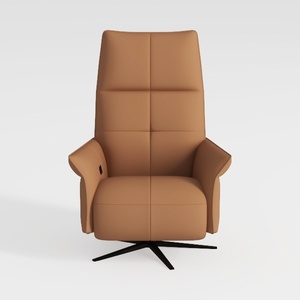
Modern Tan Leather Recliner Armchair High Back 3D Model
Ergonomic Office Chair Home Office Desk Chair Ulti
Ergonomic Gaming Desk Chair with Adjustable Footst
Looking to transform your home design ideas into reality? Homestyler offers a user-friendly online design tool, stunning 3D renderings, and a wealth of DIY video tutorials. Whether you're a beginner or a pro, it’s the perfect platform to inspire and guide your interior decoration journey!
立即免费设计
































