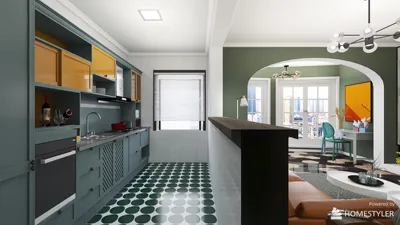


Over the past ten years, I have designed numerous one-bedroom apartments, and successful layouts consistently emphasize a few key principles: efficient circulation paths, layered lighting schemes, intelligent storage solutions, and clear demarcation of spaces. When these factors harmonize, a small apartment feels spacious and serene rather than cramped. Within a footprint of 600 to 800 square feet, it is crucial that every square inch serves a dual purpose—first for its primary function and second for storage or versatility.
Research consistently demonstrates that the arrangement of space and lighting significantly influences well-being and productivity within the home. The WELL Building Standard v2 encourages ambient residential lighting levels between 150 and 300 lux, with task lighting reaching up to 500 lux at key work areas. This adjustment markedly boosts visual comfort and alleviates eye fatigue. Additionally, studies by Steelcase highlight how adaptable environments enable residents to switch effortlessly between focus, social interactions, and rest, thereby enhancing perceived control and lowering stress levels. I incorporate these guidelines into my designs to ensure small apartments remain practical throughout the day. For quick evaluations of spatial flow, utilizing a room layout tool can expedite the process, saving hours before rearranging any furniture; for effective room planning, consider tools like Homestyler.
Essential Layout Guidelines for One-Bedroom Apartments
To start, focus on circulation. I ensure a minimum of a 36-inch wide pathway from the entrance to the living area, complemented by another unobstructed route leading to the bedroom. Such a clear pathway promotes seamless movement and reduces visual clutter. Next, establish a focal point in the living area with a media console and low storage solutions, and arrange seating in a way that fosters conversation without obstructing pathways. I aim for a distance of 8 to 10 feet between the sofa and TV to accommodate typical screen sizes in smaller rooms; distances tighter than 7 feet can result in increased glare and neck discomfort.
Creating Zones Without Physical Walls
Rather than using physical partitions, I designate areas through rugs, lighting arrangements, and ceiling shapes to signify different zones. For instance, a 5'×8' area rug can anchor the living space, while a slender runner continues along the circulation path. Suspended fixtures or floor lamps create pools of light: warm lighting (2700–3000K) should be used in living and bedroom areas for comfort, whereas neutral tones (3500–4000K) are ideal for dining and task areas to enhance contrast. This lighting approach is aligned with human behavior studies—warm light promotes relaxation, while neutral light improves color visibility for dining and work tasks.
Strategizing Entry and Storage Solutions
Effective entries utilize vertical storage efficiently. Incorporating a 12–16-inch deep built-in with upper cabinets, a bench, and storage for shoes helps keep daily items out of sight from the main living areas. For narrow hallways, shallow wall recesses (3–4 inches) can be used to hold keys and mail without disrupting movement. I recommend allocating 10 to 15% of the total square footage to storage, which should be spread across the entry, bedroom, and living areas, as consolidating all storage in one place often proves ineffective in compact homes.
Natural Living-Dining Space Integration
In one-bedroom apartments, the dining area frequently coexists with the living room. I prefer utilizing a round table (36–40 inches in diameter) to facilitate movement and avoid sharp edges in tighter spaces. Situate the table near the kitchen to optimize the efficiency of meal service and employ stackable or armless chairs. If the living area has a long wall, a narrow console can serve as a buffet behind the sofa. It is vital to maintain at least 30 inches of clearance around the seating areas, with 36 inches being the ideal comfort zone.
Compact Kitchen Layout Configurations
Galley and single-wall kitchens are prevalent in small apartments. I pay careful attention to the work triangle involving the fridge, sink, and cooktop while ensuring that each segment remains within 4 to 6 feet to prevent crowding. Incorporating under-cabinet lighting at 300 to 500 lux minimizes shadows on work surfaces. Selecting matte finishes for countertops and backsplashes minimizes glare, while a warm ambient layer of lighting (2700–3000K) ties the kitchen aesthetic to the living zones.
Bedroom Design for Rest, Storage, and Acoustic Comfort
Position the bed to either capture a pleasant view or line up with the room's longest wall. The headboard wall should remain free from doors opening near corners to maintain a calm atmosphere. A queen bed typically needs 24–30 inches of space on either side; if space is limited, consider offsetting one nightstand and incorporating a wall-mounted ledge on the opposite side. Material selection is essential: upholstered headboards, wool rugs, and curtains work to absorb sound, which helps manage reverberation in more acoustically challenging apartments. Maintain a warm light temperature (2700K), with reading lamps providing 300 to 500 lux for focused tasks.
Creating a Home Office Space Without Compromising the Living Area
Designate a workspace by carving out a 4 to 6-foot section along a quiet corner or window wall within the living area. A desk depth of 24 to 28 inches balances surface area with compact design. To preserve circadian rhythms, it’s best to avoid color temperatures above 4000K in the evenings; utilizing layered dimmable light is beneficial. For ergonomic purposes, ensure the top of your screen is at eye level, with elbows positioned at a 90 to 100-degree angle and feet flat on the floor. Investing in adjustable task chairs enhances comfort significantly.
Achieving Visual Balance and Thoughtful Spatial Ratios
Small areas thrive on rhythm. I advocate for using a 60/30/10 color ratio: 60% base neutrals, 30% secondary colors, and 10% accent hues. Research by Verywell Mind highlights that blues and greens can reduce stress, while yellows may invigorate; hence, I prefer muted greens or soft blues for primary color schemes, reserving brighter shades for decor and accessories. Using horizontal lines through low furniture like credenzas can create the illusion of longer rooms, while vertical elements such as bookcases can elevate ceilings. To maintain clear sightlines, arrange taller pieces against walls while floating shorter furniture.
Lighting Techniques to Enhance Spatial Perception
Establishing ambient light sets the comfort baseline; task lighting serves to provide precision, and accent lighting adds dimension. In compact apartments, wall-washers and cove lighting can help visually expand the space. High-CRI lamps (90+) will enhance color accuracy, particularly around art and textiles. To minimize glare, it is advisable to avoid placing directly visible bulbs at eye level; opting for indirect lighting can help maintain a calm surface appearance. For detailed best practices and standards, I recommend referring to resources like IES.
Maximizing Acoustic Comfort in Shared-Wall Buildings
Apartments with adjacent units benefit greatly from employing soft sound-absorbing materials: heavy drapery, upholstered furniture, acoustic panels concealed behind artwork, and the use of books as sound diffusers. Place noisier elements like kitchens and entries adjacent to shared walls and position sleeping areas wrapped in storage or quieter living zones. Using a rug underlay and fabric-wrapped panels can drastically cut down on high-frequency reverberations and improve clarity of sound within the space.
Choosing Sustainable and Durable Materials
Select robust, tactile materials: matte-finish wooden laminates, wool-blend rugs, and performance fabrics. Low-VOC paints can significantly enhance indoor air quality in small spaces. Favor modular storage designs that can evolve with lifestyle changes, as they are typically more sustainable than single-purpose furnishings. When feasible, look for FSC-certified woods and recycled materials in upholstery products.
Common One-Bedroom Layout Designs
- Linear layout: The entry opens directly into the living-dining area with the kitchen situated along one wall, while the bedroom is positioned at the quieter end. This configuration benefits from the use of long rugs and a floating sofa to define circulation paths.
- Split layout: Centered living space with the kitchen on one side and the bedroom on the opposite end. Effective for natural zoning; ensure corridors run alongside windows to maximize natural light.
- Corner living: L-shaped sofas situated in a corner free up the longest wall for storage solutions and media units; a round dining table placed near the kitchen facilitates traffic flow efficiently.
Clever Small-Space Strategies I Utilize
- Employ mirrored storage doors opposite windows to brighten the space and extend the visual lines without overwhelming the room with full mirrors.
- Opt for sliding doors in bedrooms and closets to reclaim 8 to 10 square feet that would otherwise be consumed by door swings.
- A built-in window bench not only provides additional seating but also incorporates storage while drawing the living area towards natural light.
- Using layered lighting with dimmers creates a calm ambiance for evenings; task lights can be activated for focused work periods.
Workflow Planning for Efficient Layouts
I typically approach the design process in three stages: first addressing circulation, followed by placing major furniture, and finally, optimizing for storage. Quickly testing several configurations using an interior layout planner helps confirm walking lines and seating space before any purchasing or moving occurs: tools like Homestyler can be invaluable. Once the foundational layout works, focus on refining materials, lighting, and acoustic considerations. The sequence of these steps is critical—having a solid framework simplifies all subsequent design decisions.
Frequently Asked Questions
For optimal comfort, aim for 24 to 30 inches of clearance on the sides of the bed and 36 inches at the foot if space permits. In tighter environments, consider reducing one side to 18 to 20 inches and utilizing a wall-mounted nightstand.
For ambient lighting in living and bedroom areas, aim for warmth with 2700 to 3000K, and for task or dining spaces, opt for a neutral tone of 3500 to 4000K. Ensure dimmability to adjust the mood during evening hours.
For the dining space, a 36 to 40-inch round table positioned close to the kitchen is ideal. Choose light, armless chairs and maintain at least 30 to 36 inches of space around them.
For typical screen sizes ranging from 50 to 65 inches, maintain a viewing distance of 8 to 10 feet. In more compressed spaces, consider utilizing an adjustable arm and a smaller screen to minimize neck strain and glare.
Incorporate 12 to 16-inch deep built-in options with enclosed upper sections and open lower shelving, using sliding closet doors and under-bed drawer systems. Incorporate mirrors on some storage fronts to enhance light reflection and create the illusion of more space.
Creating a 4 to 6-foot workspace with a 24 to 28-inch deep desk and 300 to 500 lux task lighting, choosing an adjustable chair, and concealing cables ensures a visually calming area for productivity.
Utilizing layer rugs with underlays, implementing fabric-wrapped panels, and anchoring a bookcase to shared wall spaces can effectively mitigate sound. Hefty curtains can help manage noise from outside.
Both kitchen layouts are functional. A galley setup optimizes efficient work triangles, while a single-wall design preserves more living space. It’s crucial to maintain strong task lighting and select matte finishes to decrease glare effectively.
Avoid obstructing circulation with oversized furniture, and be mindful of not neglecting layered lighting, skimping on storage solutions, or placing bright task lighting in relaxation areas, as these practices can detract from the overall comfort of the space.


Minimalist Solid Wood Console Table Single Drawer Storage 3D Model
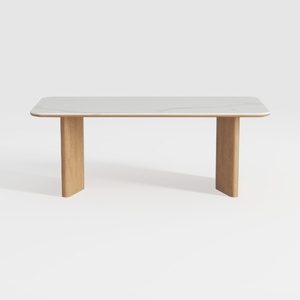
Minimalist Marble Top Solid Oak Dining Table 3D Model
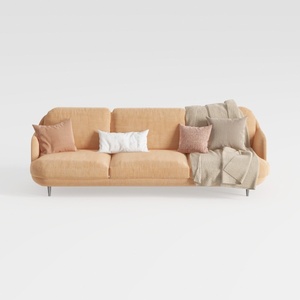
Modern Minimalist Peach Fabric Sofa with Throw Pillows and Blanket 3D Model
Homestyler is your go-to online home design platform that makes transforming your space a breeze. With an easy-to-use design tool, stunning 3D renderings, and plenty of inspiring DIY video tutorials, you'll find everything you need to create your dream home effortlessly!
Design Now for FREE
































