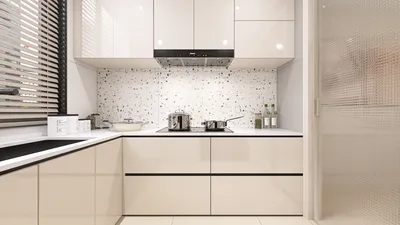


Kitchens that face northwest radiate a serene energy, beginning softly in the morning and glowing through the afternoon, culminating in a warm embrace as the sun sets. My experience in designing these kitchens across temperate and coastal regions has taught me the importance of managing the heat and glare that often accompany late-day sun while maintaining a refreshing atmosphere. When done right, a northwest-facing kitchen can embody a sense of balance during the day and transform into a vibrant social space by night—achieved through thoughtful consideration of light, layout, and materials, enhanced by tools like Homestyler.
The impact of the evening sun on comfort and color perception necessitates a careful calibration of lighting and surfaces to mitigate yellowing and harsh shadows during dinner time. Following WELL v2 guidelines, I prioritize glare control and balanced illumination with high CRI sources to enhance visual comfort. The Light concept in WELL v2 focuses on maintaining circadian rhythms with ambient levels that minimize discomfort from bright contrast. Guidelines from the Illuminating Engineering Society suggest aiming for kitchen task lighting between 300 and 500 lux with good uniformity to ensure activities like chopping and recipe reading are gentle on the eyes.
Creating an efficient layout is key to enhancing daily interactions in a kitchen. Research from Steelcase emphasizes that supportive environments can reduce cognitive overload and boost productivity, a principle I find applicable in home kitchens just as much as in office settings. To implement this, I designate clear areas for prep, cooking, cleaning, and serving. Experimenting with different shapes, whether L-shaped, U-shaped, or a galley style with an island, involves sketching out traffic patterns and designated zones using a layout tool like Homestyler, helping to visualize how evening light interacts with the cooktop, sink, and counter space.
When it comes to managing late-day light and glare in a northwest-facing kitchen, I utilize three techniques: the orientation of reflective surfaces, the shading strategy employed, and the layering of luminaires. First, I avoid glossy backsplashes directly opposite west-facing windows to prevent glare from disrupting the work area. Opting for satin or honed finishes, such as porcelain or quartzite, allows light to be softly absorbed. Second, I combine external shading solutions like retractable awnings with internal light control measures, such as dual shades that offer sheer diffusion during the day and blackout options for the warmer afternoon. Lastly, effective lighting layers include dimmable warm-white downlights paired with neutral-white undercabinet task lighting, stabilizing color from day to dusk, ensuring that produce appears vibrant and stainless steel looks inviting.
The traditional kitchen triangle—sink, cooktop, refrigerator—remains relevant, yet I interpret it as a choreography of small movements. My guideline is to maintain the distance between the points of the triangle between 4 to 9 feet, ensuring no single leg exceeds 12 feet in larger kitchens for optimal flow. Additionally, I emphasize the importance of strategic landing spaces: 18–24 inches of clear counter next to the cooktop and at least 24 inches next to the refrigerator for unloading. In a northwest kitchen, placing the primary prep area closer to the north light optimizes comfort by mitigating the impact of heat during peak hours. If space is constrained, utilizing an interior layout planner can simulate alternative configurations, helping visualize turning radiuses and appliance access within the flow.
As the late afternoon sun warms colors, it's essential to strategize color and material choices to avoid muddiness during dinner time. I achieve balance by selecting desaturated mid-tones, such as sage or soft greige, and introducing contrast with natural wood or textured stone accents. Research on color psychology indicates that warm colors generally enhance perceived coziness while cool tones foster focus; it's beneficial to blend these properties in areas where cooking meets social interaction. For countertops, low-sheen quartz or porcelain with subtle, non-directional patterns works best to camouflage crumbs under angled lighting. Using grout colors that closely match the backsplash avoids high-contrast shadows when sunlight hits the joints.
Achieving ergonomic comfort hinges on the details of height, handle, and reach in the kitchen. I typically set counter heights around 36 inches for general tasks and adjust as needed: 30-32 inches for baking stations and 42 inches for bar areas. Store frequently used items in upper cabinets within 20 to 50 inches from the floor, minimizing the need for stretching. Incorporating soft-close hardware and D-shaped handles promotes ease of use, while anti-fatigue mats at prep and sink areas support comfort during standing tasks. In warmer months, ceiling fans with low velocity can assist in air circulation without overwhelming drafts over the cooktop.
For evening gatherings, managing acoustics becomes essential, and I incorporate absorbent surfaces such as upholstered stools, wood ceilings fitted with micro-perforated panels, and area rugs in dining areas to minimize noise. Selecting quieter dishwashers and hoods helps reduce sound levels, alongside ensuring short, straight duct runs for optimal airflow. It's particularly advantageous to place refrigerators away from the main social zones in a northwest kitchen to prevent compressor noise from disrupting conversations during late-night activities.
In a kitchen bathed in strong late light, I ensure that storage solutions respect the nuances of light exposure. I opt for opaque containers for oils and grains, keeping dry goods in cabinets shielded from direct sunlight. Deep drawers with full-extension features are more efficient than tall cabinets, allowing easy access without kneeling. For corner spaces, I employ solutions such as blind-corner pullouts or LeMans trays to streamline access and visibility.
Given the demands kitchens face, I prioritize sustainability and durability in my material selections. Whenever possible, I utilize FSC-certified woods and low-maintenance, non-porous countertops. Induction cooktops not only maintain cooler ambient temperatures during summer evenings but also serve the needs of a busy northwest kitchen. Implementing LED task lighting helps reduce energy usage while providing visual comfort. Installing low-E glaze on west-facing windows can significantly improve indoor comfort and lessen the load on cooling systems, ultimately paying dividends.
I establish three essential lighting scenes for the kitchen: Day Prep featuring ambient illumination at 250-300 lux and task lighting at 350-450 lux; Cook & Serve with ambient levels around 200-250 lux and tasks brimming at 450-550 lux; and Wind Down, which encompasses ambient levels of 100–150 lux with dimmed undercabinet lights. Maintaining separate circuits for various lighting fixtures and integrating smart dimmers that remember your preferred settings can enhance functionality. In a northwest kitchen, the Wind Down scene is particularly crucial—design it to ensure minimal glare for those seated, with accent lights directed to wash vertical surfaces instead of glaring down on countertops.
Addressing late-day heat necessitates meticulous flooring choices; I avoid high-gloss tiles near northwest windows due to glare and opt for matte porcelain or larger tiles that minimize visual clutter. Wood flooring not only complements aesthetics but also requires protective measures in moisture-prone areas with inset mats or flush grilles for effective drainage.
My preferred layout strategies for northwest kitchens include: positioning the main prep area along the cooler northern section, assigning a smaller west-facing station for casual snacks; offsetting the sink slightly to avoid direct sunlight and potential glare; orienting peninsula seating for guests to enjoy side lighting instead of direct sun; ensuring refrigerator placement allows access from both entry and cooking zones while avoiding excessive heat from windows; and using layout simulation tools like Homestyler to streamline aisle widths around islands, promoting efficiency.
The details in a kitchen can greatly enhance its functionality. To achieve a polished look, I incorporate elements such as a narrow towel rail located in the shaded area of an island, hidden outlets along the backsplash for a clean aesthetic, and a pantry door painted in soft, light-absorbing colors to diffuse late sunlight. Additionally, I choose brushed finishes for reflective accents to minimize glare while allowing the evening's ambient glow to create inviting atmospheres.
To optimize shading, it's effective to merge external options like awnings or tree coverage with interior layering. Selecting matte surfaces for backdrops and counters, while aiming lights to wash the walls rather than directly illuminating reflective areas, can significantly enhance the space's comfort during evening usage.
For kitchen lighting, a warm-white ambient range of 2700-3000K fosters comfort, while neutral-white task lighting at 3500-4000K supports precision. High CRI fixtures are vital for maintaining the natural appearance of food under changing sunlight conditions, which aligns perfectly with the recommendations in WELL v2’s Light guidance.
The efficiency of workspaces is critical; I recommend spacing of 42 inches for single-cook scenarios and 48 inches for two-cook situations. Using a visualization tool can help assess these dimensions against appliance door swings and potential overlaps in traffic areas.
In a northwest-facing kitchen, situating prep tasks on the cooler north side can mitigate heat exposure. Keeping knives, cutting boards, and waste within an arm's reach streamlines workflow and maintains efficiency.
Materials with matte or satin finishes for countertops and cabinets, low-sheen stone, and textured paints create appealing yet functional aesthetics. It's best to avoid shiny tiles that reflect light directly from northwest windows.
For task lighting, aiming for around 300-500 lux at countertop height, provided by undercabinet strips and dimmable downlights, is ideal for maintaining a comfortable workspace. Following IES standards ensures consistency and helps minimize harsh lighting contrasts.
Incorporating soft materials such as upholstered stools, carpets, and acoustic panels significantly contributes to reducing noise levels. Additionally, when choosing appliances, opt for quiet models and ensure properly sized ducted hoods for quieter operation at lower speeds.
To protect perishables and oils, it’s advisable to store them away from direct sunlight, utilizing opaque containers to shield contents from degradation. Ideally, the pantry should be situated on the cooler side of the kitchen to limit sun exposure.
It’s beneficial to arrange seating so that guests enjoy the comfort of side lighting rather than facing intense westward sun beams. A slight overhang and matte bar top can also mitigate reflections that could strain the eyes at sunset.
Induction cooktops produce less ambient heat than gas stoves, appealing for kitchen layouts during warmer afternoons. This mechanism also pairs seamlessly with quieter range hoods, as they can often function efficiently at lower airflow rates.
For lighting, I opt for diffusers that soften glare—such as opal glass, fabric options, or micro-prismatic lenses. They should be hung at a height of roughly 30-36 inches above the counter and include dimming options for evening ambiance.
Incorporating features such as full-extension drawers, soft-close slides, and pullout systems for blind corners increases functionality. Keeping everyday items within 20-50 inches of the floor minimizes the chances of bending or stretching, contributing to a well-designed kitchen environment.
Homestyler is your go-to online home design platform! With its user-friendly design tool, stunning 3D rendering, an array of creative design projects, and helpful DIY video tutorials, you can effortlessly transform your home into a stylish haven. Unleash your creativity today!
Design Now for FREE
































