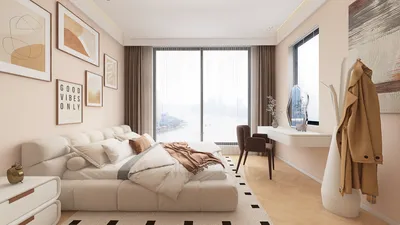


I have reimagined countless halls, including community centers, school auditoriums, and versatile event spaces. A contemporary Shreyas Hall ought to feel flexible, inviting, and equipped with modern technology, successfully balancing seating capacity alongside acoustics, lighting, and circulation flow. The most efficient halls I’ve collaborated on generally dedicate around 55–65% of the usable area to the main assembly space, while the rest is divided among storage, green rooms, technical controls, and essential service areas.
Two fundamental benchmarks continuously influence my hall design process. First, the WELL v2 standard advises maintaining sound levels below NC 35–40 in multipurpose areas to ensure comfortable speech clarity; practically, targeting an average RT60 of 1.0–1.2 seconds proves effective for spoken word and mixed-use events. Second, the IES guidelines suggest approximately 300–500 lux for general assembly lighting, increasing to 500–750 lux for task-oriented areas like registration or catering prep. These criteria help stabilize visual comfort while minimizing glare. Refer to WELL v2 and IES standards for detailed guidance on acoustic comfort and illuminance standards.
Main Hall Layout: Proportions, Circulation, and Sightlines
Successful modern halls are characterized by effective spatial ratios and streamlined movement. I ensure a minimum aisle width of 1.2 m for side aisles and 1.8 m for main aisles in seated arrangements to facilitate comfortable 2-way traffic and wheelchair accessibility. In flat arrangements, seating rake doesn’t need to be used if the first row begins at least 1.5–2.0 m away from the stage, which should be positioned at a height of approximately 600–900 mm for smaller to mid-sized venues. When layouts are subject to frequent changes, I utilize room layout software to simulate seating configurations, emergency exits, and buffet lines without undermining sightlines and attendee capacity.
For multipurpose Shreyas Halls, I target a room proportion of 1:1.6 to 1:2 (width to depth) to promote effective viewing angles and audio distribution. It’s essential to keep core areas unobstructed: a back-of-house corridor that connects storage to stage wings prevents equipment from crossing into public spaces. If the programming includes activities like yoga or wellness sessions, I’ll specify adaptable flooring (for example, cushioned vinyl) and a storage area sized at 0.1–0.15 m² per seat to accommodate mats, chairs, and acoustic elements.
Lighting Layers: Illumination, Color Temperature, and Glare Management
Well-designed lighting can transform a good hall into an exceptional one. For overall ambiance, achieving 350–400 lux at 3000–3500K creates a warm atmosphere without reducing contrast. Task lighting over registration desks, catering areas, or backstage spots should reach 500–750 lux with a CRI of 90 or higher to ensure accurate color representation for signage and food. Accent lighting—such as wall grazers or adjustable spots—not only enhances the aesthetic but also manages glare with UGR ratings of less than 19 for audience visibility. Proper dimming curves are crucial; I implement a continuous dimming system from 10–100% with presets for different scenarios (House, Presentation, Performance, Cleanup) to avoid abrupt transitions.
To enhance energy efficiency, I incorporate daylight sensors alongside blackout options for events that rely heavily on projection. The flicker index of LED drivers should be minimal, as subtle strobing can quickly disrupt keynotes captured on camera. For evening events, I also recommend 2700–3000K to complement skin tones, transitioning to 3500–4000K for morning sessions to promote alertness.
Acoustic Comfort: Absorption, Diffusion, and Quiet HVAC Design
Clarity of speech in flat halls depends on the appropriate balance of absorption (NRC ratings between 0.70 and 0.90 across ceiling clouds and wall panels) and strategic diffusion positioned behind the audience to mitigate flutter echo. For musical performances, I like to mix materials: utilizing perforated wood for warmth, and mineral fiber or PET felt for broad-spectrum absorption, supplemented by shallow diffusers at the back wall. The goal is to achieve an RT60 of approximately 1.0–1.2 seconds for spoken presentations, with a slightly longer time of around 1.4 seconds for mixed programs. It’s essential to keep HVAC supply noise below NC 35 by using large ducts, low face velocities, and sound-insulated plenums; the audience shouldn’t hear the system battling the room's acoustics.
Color Psychology and Material Choices
Colors significantly influence behavior. Softer color palettes—like muted greens and light blues—help alleviate stress during workshops and wellness activities. Warm neutrals (like sand, taupe, and desaturated terracotta) foster a welcoming environment for banquets. I avoid high-chroma colors on major wall surfaces to prevent visual fatigue, using them instead for signage or movable partitions. Flooring must be durable and assist with acoustic properties; cushioned vinyl or rubber with impact sound reduction (ΔLw 15–20 dB) ensures noise levels remain manageable. To prioritize sustainability, I opt for low-VOC finishes and modular carpet squares that can be replaced easily without generating waste.
Stage, AV, and Sightline Considerations
The stage serves as a focal point and must be clearly visible from every seat. For mid-sized venues, a 6–8 m wide stage with a depth of approximately 4–5 m accommodates most types of performances; with wing storage on both sides for swift turnover. Ensure that projection screens are elevated sufficiently so the bottom edge clears audience heads—typically around 1.5 m above the finished floor. For LED screens, it's important to check glare and viewing distance, keeping the pixel pitch below 2.6 mm for short-throw scenarios. I maintain balanced lighting across the stage with 800–1000 lux for front fill and gentle backlighting to differentiate presenters from the backdrop.
Flexible Furniture and Storage Solutions
Flexibility is crucial in today’s event spaces. Lightweight stackable chairs weighing 8–10 kg each facilitate rapid reconfigurations, while flip-top tables allow for quick setup changes. I designate a storage area sized to accommodate about 20–30% of the room’s seating capacity for chairs and table dollies. Clear labeling is essential—organizing chairs by row blocks and cables by AV stations—so that volunteers can effectively set everything up. A spacious mop sink and service vestibule positioned close to storage helps keep post-event cleanup discreet and out of guest view.
Wayfinding, Entry Experience, and Safety Features
The arrival experience significantly shapes expectations. I create a well-defined entry pathway with prominent lighting set at 450–600 lux, tapering down to 300–350 lux within the hall. Consistent iconography and color accents guide guests subtly, without being overwhelming. Egress routes must remain apparent under low lighting conditions; I incorporate floor-level LED strips or photoluminescent markings to ensure that the environment remains navigable even in dim lighting. To enhance accessibility, I ensure a gradient of 1:12 for ramps, tactile indicators at thresholds, and designated seating zones with ample maneuvering space.
Back-of-House: The Unsung Support System
Everything appears seamless when back-of-house operations run smoothly. I typically design catering prep areas at about 0.05–0.08 m² per audience member when events frequently involve buffet service. It’s vital to maintain a direct path from the prep areas to service points, minimizing cross-traffic near entryways. A compact AV control booth that offers clear sightlines to the stage, coupled with a cable management system, helps save time and reduce trip hazards. Reliable power infrastructure is key: dedicated circuits for stage lighting and AV, as well as isolated grounding to prevent audio hum.
Reconfiguration Planning Tools
Since layouts often shift—between banquets, seminars, and performances—I depend on digital planning tools to forecast seating arrangements, aisle placements, and projection lines of sight before any actual furniture adjustments. A comprehensive interior layout planner allows me to model capacities while tweaking circulation paths without encountering surprises on the day of the event; additionally, a room design visualization utility proves essential when stakeholders need to evaluate banquet versus theater configurations quickly.
Several ongoing trends are worth noting: adaptive lighting scenes featuring human-centric settings, PET-felt acoustic panels crafted from recycled materials, and modular stages equipped with quick-lift platforms. Halls focused on community usage are increasingly accommodating wellness initiatives, thus requiring dedicated storage for yoga supplies, improved airflow, and gentler color schemes as standard practice. Integrating advanced technology—like low-latency wireless microphones, streaming-ready camera mounts, and versatile power grids—ensures that the hall remains current while simplifying operations.
Reputable References
For baseline audio and lighting requirements, I frequently reference the WELL Building Standard v2 for insights into acoustic comfort and IES guidelines for optimal illuminance levels and glare management practices.
FAQ
Aim for 300–500 lux in seating areas, and provide 500–750 lux in focused task zones like registration and catering. Incorporate dimming options to transition between workshop and performance lighting schemes.
A reverberation time (RT60) of about 1.0–1.2 seconds is ideal for spoken word events. Ensure HVAC noise remains at or below NC 35 to prevent interference with speech clarity.
Morning workshops benefit from light settings of 3500–4000K to enhance alertness; conversely, evening banquets are best suited for 2700–3000K, which flatters skin tones and enhances ambience.
Side aisles should be a minimum of 1.2 m wide, while main aisles require at least 1.8 m to accommodate two-way traffic and ensure accessibility during peak exit times.
Combine high NRC PET felt panels, warm perforated wood, and effective ceiling clouds to create a harmonious balance of absorption and diffusion. Aim for NRC ratings between 0.70 and 0.90 in these treatment areas.
Set aside storage for about 20–30% of total seating capacity to house chairs and table dollies. Ensure there is direct access to the stage and service corridor for streamlined transition between setups.
Regarding dimensions, target a stage width of 6–8 m and a depth of 4–5 m, with a height of 600–900 mm. Confirm that the base of projection screens is positioned approximately 1.5 m above the floor for unobstructed sightlines.
Utilize preset settings (House, Presentation, Performance, Cleanup) with comprehensive dimming from 10–100%, manage glare using UGR ≤19, and employ daylight sensors for enhanced energy efficiency.
Ensure infrastructure includes dedicated circuits, isolated grounding, integrated cable troughs, and mounting solutions for cameras and lighting. Prioritize modular equipment while maintaining clear sightlines from the control booth.
A width-to-depth ratio near 1:1.6 to 1:2 enhances sightlines and promotes even sound distribution in flat-floor halls.
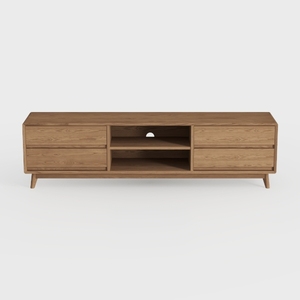
OKD TV Stand for 75+ Inch TV, Mid Century Modern
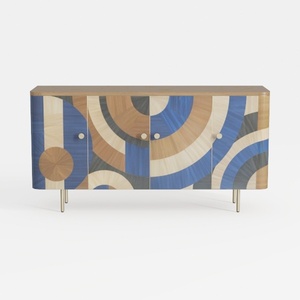
Tribesigns 63'' Farmhouse Sideboard Buffet Cabinet
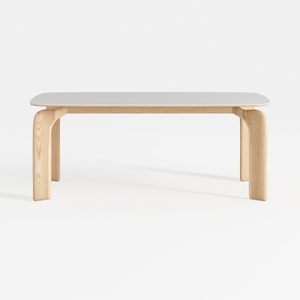

SAFAVIEH Home Collection Reid Oak/ White Computer
Homestyler is your go-to online platform for home design. With its user-friendly design tool, stunning 3D renderings, and a wealth of DIY video tutorials, you can effortlessly create and visualize your dream spaces. Transform your design ideas into reality today!
Zaprojektuj teraz za darmo
































