

Designing a middle-class Indian living room requires careful consideration of storage solutions, flexible seating options, and layouts that accommodate technology—all while embracing family traditions, color meanings, and craftsmanship. My strategy emphasizes intelligent space organization, long-lasting materials, and layered lighting, ensuring the room serves its purpose daily while remaining rooted in cultural heritage.
Proper lighting and ergonomics are crucial for creating a comfortable atmosphere. The WELL v2 guidelines suggest a range of 300 to 500 lux for general living tasks, with specific zones reaching 500 lux to minimize eye strain while also using appropriate shielding to reduce glare (refer to WELL Light concepts). Research by Steelcase indicates that flexible, multi-purpose spaces enhance perceived well-being and support diverse activities—ideal for living rooms that accommodate prayer, socializing, studying, and entertainment. I apply these standards from the very beginning to optimize brightness, seating height, and circulation widths.
Color is more than just aesthetic appeal. Insights into color psychology from Verywell Mind reveal that warm tones like reds and saffrons foster energetic and social environments, while blues and greens promote tranquility and healing—an alignment that resonates deeply with Indian cultural practices. I carefully design color palettes, ensuring that the seating area invites warmth and conversation, while reading corners and media spaces maintain cooler tones for focus and relaxation.
Plan the Core: Zoning for Everyday Life
Typically, a middle-class living room serves four primary functions: prayer (puja), family gathering, guest hosting, and media consumption. I create distinct zones using subtle indicators—like area rugs and changes in ceiling height—rather than solid walls. For smaller spaces, I ensure the main circulation path is around 900 to 1000 mm wide, preventing accidents and facilitating easy movement during gatherings. For those looking to explore different layouts, a room design tool can visualize seating arrangements, altar locations, and optimal TV viewing angles before finalizing the design.
Furniture Strategy: Flexible, Compact, Comfortable
Select a central sofa with dimensions between 1800 and 2200 mm, complemented by lighter components like armless accent chairs, nesting tables, and a bench that can also serve as shoe seating near the entrance. A pouf or ottoman serves multiple purposes: as extra seating and hidden storage. Maintain seat heights around 430 to 460 mm for elder comfort, while the inclusion of armrests aids in standing up. Ensure there’s at least 450 mm between the coffee table and the edge of the sofa for convenient snack access, increasing to 600 mm for strollers or walkers.
Tradition as Texture: Art, Craft, and Ritual
Cultural elements flourish through layers: a carved wooden jharokha mirror, a brass urli filled with floating flowers, block-printed cushions, or a handwoven durrie. If the puja corner is located within the living room, elevate the platform by 150 to 300 mm while incorporating concealed storage for incense and textiles. Maintain a distance of at least 300 mm between flames and curtains, ensuring a non-combustible backdrop (such as stone or tile). I prefer a neutral base—off-whites or light sands—infusing color through textiles and artwork that can be easily updated seasonally.
Color Palettes with Cultural Nuance
For homes that emphasize sociability, combine earthy terracotta, mustard, and walnut with refreshing green accents. Families that prioritize calmness can opt for indigo, slate, and natural oak paired with saffron highlights in decorative items. Metallics significantly enhance the design: antique brass and copper bring warmth and formality, while brushed nickel offers a modern twist. Utilize mid-toned surfaces to minimize dust visibility and glare, reserving vibrant colors for cushions, lampshades, and art pieces.
Lighting: Layered and Glare-Smart
Incorporate three lighting layers—ambient, task, and accent. For ambient lighting, use dimmable LEDs at 2700–3000K for warm evening illumination, and ceiling fixtures with diffusers to minimize glare. For task lighting, position floor lamps near reading chairs, achieving about 400–500 lux for comfortable reading. Accent lighting should spotlight art niches or detailed panels at 200–300 lux. Adhere to IES guidelines for lighting uniformity and avoid direct visibility of LED sources. For TV walls, ensure vertical light intensity is soft to mitigate reflections, while a warm accent light around 2700K enhances the ambiance in puja areas.
Materials and Maintenance: Built for Real Life
Middle-class homes benefit from approachable material choices: engineered wood or high-quality laminate for media units and storage solutions; stain-resistant, removable slipcovers for upholstery; and tightly-woven rugs that resist dust accumulation. If opting for marble or Kota stone flooring, balance this with non-slip area rugs and felt pads under furniture. Steer clear of high-gloss paints on TV walls to avoid glare. Combine sheer drapes (for daylight control) with blackout curtains to achieve privacy and mitigate heat.
Storage Without Clutter
Aim for three types of storage: concealed (like lift-top ottomans and benches), display (floating shelves for decorative items and awards), and ritualistic (dedicated drawer space for puja materials). Leveraging vertical storage around door frames can significantly boost capacity—use cabinets that are 300–350 mm deep where swinging clearance permits. Keep media cables organized with integrated conduits and grommets; streamlined cable management instantly enhances the overall aesthetic.
Acoustic Comfort for Family and Media
Mitigate echo and external noise with soft furnishings—fabric sofas, draperies, rugs, and bookshelves. In rooms adjacent to busy streets, incorporate acoustic panels disguised as textile artwork or wooden slat backdrops with felt underlayment. For televisions, position the speakers at ear level when seated and keep reflective surfaces off-axis to enhance sound clarity.
Spatial Ratios and Visual Balance
I follow a straightforward rhythm in design: a solid horizontal TV console, a vertical element such as art or a plant to add contrast, and a medium-sized rug that anchors seating. Coffee tables that are approximately two-thirds the length of the sofa maintain proportion, while larger artwork is most effective when its longest side occupies 60–70% of wall space. In rooms with low ceilings, using vertical stripes in paneling or drapery can give the illusion of height.
Smart Tech, Subtle Integration
Conceal routers and set-top boxes within ventilated cabinets. Provide a multifunction outlet behind the TV and plan all cable routing prior to painting. Smart bulbs that operate on preset scenes—like “Evening,” “Reading,” and “Guests”—simplify daily living. Keep voice assistants positioned away from the puja area for privacy and respect, shielding sensors from incense smoke to protect the technology.
Budget Layering: Spend Where It Shows
Prioritize investment in the sofa frame, task lighting, and a key rug; economize on side tables and basic wall art. A singular artisan piece—whether Madhubani, Warli, or Pattachitra—can serve as a cultural focal point. Blend high and low: utilize solid wood for a standout console while opting for laminates for secondary pieces; handloom cushion covers over a neutral foundation refresh the look affordably.
Layout Moves for Small Rooms
In compact spaces, utilize a corner sofa to maximize floor area, arrange furniture to highlight floor edges, and mount the TV to conserve console space. Position tall storage against one wall, placing mirrors across from windows to draw in light. Test sightlines and pathways using an interior layout planner before making any purchases; even small clearances can significantly impact comfort.
Etiquette of Hosting
Facilitate an easy tea service: from kettle to tray to seating, ensuring clear surfaces for cups. Side tables at 500 to 550 mm in height are perfect for standard cup reaches. Provide a shoe bench near the entrance, along with a small coat hook rail to prevent cluttering the seating area during guests’ visits.
Frequently Asked Questions
Aim for a lighting range of 300 to 500 lux for general tasks and 400 to 500 lux in reading areas. Employ dimmers to create a soothing ambiance of 150 to 200 lux in the evening.
Employ warm earth tones (terracotta, mustard, walnut) alongside brass finishes for engaging social interactions, complemented by cooler hues such as indigo or sage in quieter areas.
A sofa for two to three people measuring 1800 to 2200 mm ensures comfort without overcrowding; pair it with lightweight chairs easily movable for guest use.
Elevate by 150 to 300 mm, utilize non-combustible backing panels, keep a 300 mm distance from curtains, and provide closed storage for ritualistic items.
Select matte wall paints, diffuse ambient light, angle lamps away from screens, and avoid glossy finishes on the TV wall.
Implement lift-top ottomans, slim vertical cabinets around door frames, and floating shelves for decorative displays. Ensure cables are routed through conduits to minimize clutter.
Opt for engineered wood, high-quality laminates, and stain-resistant upholstery with removable covers; select tight-weave rugs for optimal dust management.
Incorporate layers of soft furnishings such as curtains, rugs, and textile art. Position speakers at seated ear level and refrain from using hard parallel surfaces.
Integrate ventilated media cabinets, centralized power hubs, pre-routed cables, and scene-based smart lighting to maintain an uncluttered appearance.
Maintain 450 to 600 mm between seating and coffee tables, 900 to 1000 mm for primary circulation, and accessible heights at 430 to 460 mm for seating.
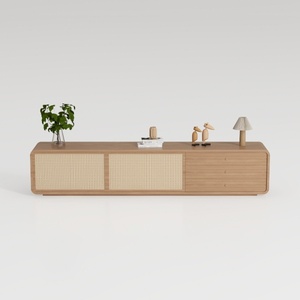
Walker Edison Sasha 4-Door Sideboard Buffet with
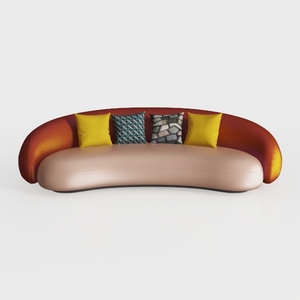
Modern Two Tone Fabric Curved Sofa With Decorative Throw Pillows 3D Model
Homestyler is your go-to online home design platform! With an intuitive design tool, stunning 3D renderings, a variety of inspiring design projects, and helpful DIY video tutorials, you can effortlessly create and visualize your dream space. Unleash your creativity today!
今すぐ无料でデザイン
































