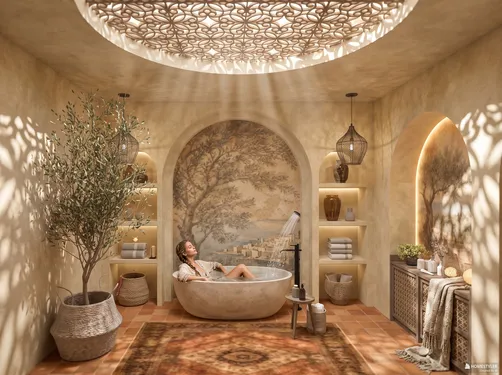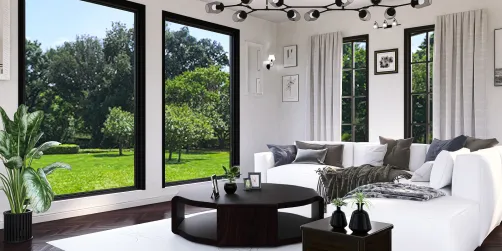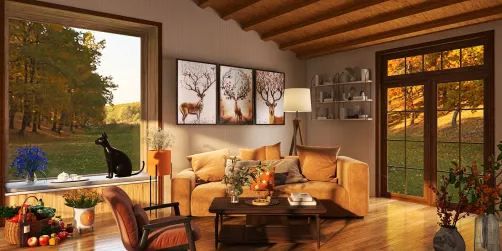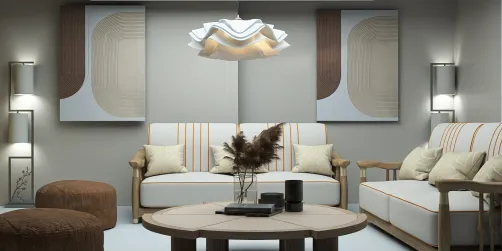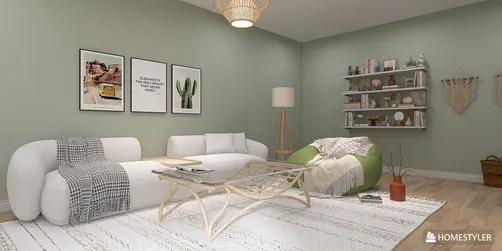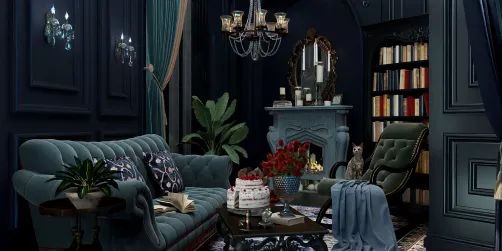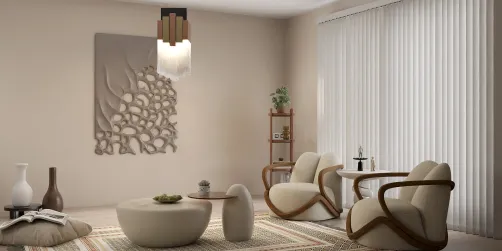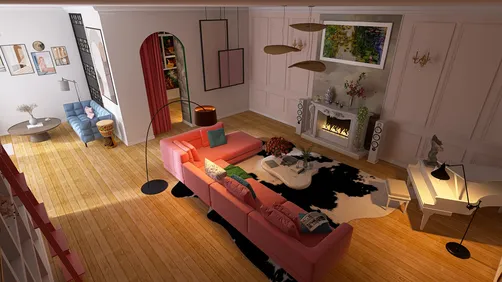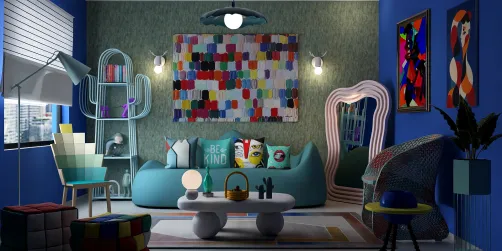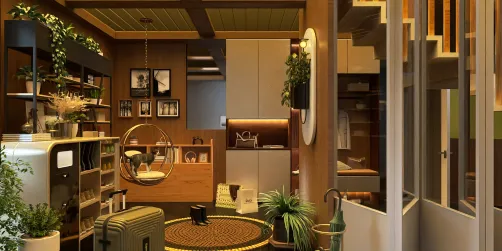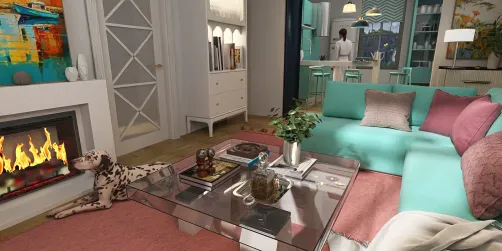



My approach to designing living rooms centers around how users read, rest, and socialize. A bookshelf typically serves as a subtle yet functional centerpiece that not only organizes the space but also frames the seating arrangement and guides visual attention. Beyond mere storage, it can affect acoustics, lighting, and even the overall mood by its choice of materials and colors. When done correctly, the shelf transforms into a backdrop that showcases books, art, and decorative objects, creating a narrative that reflects the personality of a home.
The functionality of a space is what drives my design choices, and research backs this up. Findings from Steelcase reveal that visual organization decreases cognitive overload and enhances focus—an experience that becomes evident when open shelving is thoughtfully arranged. Furthermore, the WELL v2 lighting guidelines highlight the importance of minimizing glare and ensuring proper illumination on vertical surfaces. By integrating lighting within the shelves, one can achieve a harmonious balance of ambient light, reducing harsh contrasts and improving reading comfort. I typically set shelf lighting to a warmth of 2700–3000K in living areas, ensuring gentle luminance ratios to prevent visual fatigue.
The color of a bookshelf significantly influences the atmosphere of the room. According to an overview of color psychology by Verywell Mind, warm hues tend to create an inviting feel, while cooler shades evoke calmness and spaciousness. I often opt for subdued greens or rich blues for built-in shelves to counterbalance busy decor, or light oak finishes to enhance minimalist designs. Using matte surfaces helps minimize reflections, making sightlines easier to navigate both day and night.
How to Plan the Ideal Shelf for Your Living Room
To start, consider the scale of furniture, movement patterns, and sightlines. I usually draft a layout that maps out paths and focal points, testing various options with an interior layout planner or a room design tool to ensure clearances are adequate and seating angles are comfortable. Personally, I find that deeper shelves (11–13 inches) are ideal for oversized art books, while standard novels fit well on 9–10 inches. For shelves accommodating speakers or storage baskets, I recommend increasing the depth to 14–15 inches on lower levels while keeping the upper shelves lighter for an appealing balance.
The height of the shelves should align with the room's ceiling height. In spaces with ceilings under 9 feet, I recommend ending built-ins 6–10 inches below the ceiling to avoid an unbalanced, top-heavy appearance. Adding a simple crown or an LED cove can provide a soft illumination effect. In taller ceilings, extending shelves to full height accentuates the vertical space; however, I like to introduce horizontal elements or a gallery shelf at eye level to create visual stability.
Design Styles: From Minimalistic to Curated
Minimalist linear: Characterized by flat-front shelves, slim designs, and hidden supports. Maintaining a consistent bay width (22–30 inches) and a ratio of 3:2 between verticals and horizontals creates visual harmony. This layout works well for mixing different objects as long as the color schemes are cohesive.
Modern craftsman: Utilizes solid wood with visible grain patterns, chamfered edges, and modular cube designs. This aesthetic complements wool textiles and bronze finishes, while the grain provides warmth that softens the look of rectilinear furniture.
Eclectic collection: Emphasizes asymmetry with thoughtful clusters—varying shelf heights, art ledges, and some negative space. Items are grouped by hue and material instead of theme. If the arrangement starts to feel chaotic, I recommend adding matte back panels in a single color to unify the look.
Gallery wall hybrid: Features shallow shelves (5–7 inches) used for displaying frames and objects against a textured backdrop. Lighting plays a crucial role; incorporating a continuous top rail with small wash lights helps mitigate glare on glass surfaces.
Lighting Your Shelves Without Glare
Lighting serves as a narrative tool. I typically use LEDs in the range of 2700–3000K for warmth and maintain a CRI of 90 or higher to ensure accurate color representation on book spines and artwork. A linear LED spotlight, aimed slightly downward and tucked under the shelf lip, minimizes scalloping while achieving uniform vertical illumination around 150–250 lux for a relaxed viewing experience. Following the WELL v2 visual comfort recommendations, I manage contrast ratios effectively; for task lighting in seating areas, I aim for 300–500 lux while ensuring the shelf lighting complements rather than overwhelms these sources.
For glass or reflective items, I angle picture lights downwards and use prismatic lenses for diffusion. If you favor a dramatic ambiance, consider a 1:3 contrast of bright and dim sections to add depth without causing eye strain. Incorporating dimmers is essential; the evening atmosphere should feel inviting rather than stark.
Acoustics and Material Considerations
Books serve as excellent passive sound absorbers, and a well-stocked bookshelf can help mitigate flutter echoes in spaces with hard floors. I select materials based on the room's needs: open-pore oak for warmth and texture, walnut for depth, lightweight metals for sleek profiles, and I reserve lacquer surfaces for spaces already equipped with soft textiles to reduce glare.
Incorporating back panels can also adjust both acoustics and ambiance. Fabric-wrapped backs impart softness and help manage brightness. Slatted wood designs can add rhythm and gentle sound diffusion, and if a soundbar is integrated into the shelf, it's essential to ventilate equipment areas and decouple panels to avoid buzz at high volumes.
Sizing, Proportions, and Load Management
Just like bridges, shelves can fail structurally if their spans are improperly calculated. With solid hardwood, I limit the span to a maximum of 32 inches for heavy books. Plywood with hardwood edging can stretch to 36 inches if the load is diversified. A thickness of 3/4 inch usually suffices for most home applications, but I recommend increasing this to 1 inch for heavier art books and ceramics. To create long, narrow shelves without visible supports, I cleverly use concealed steel flat bars.
Visually, I balance the mass of items with voids: maintaining more open space at eye level prevents the room from feeling cramped. A base of closed cabinetry reduces visual clutter, effectively hiding gadgets, games, or chargers. For adaptable storage solutions, I favor adjustable pegs that allow 1-inch spacing to keep arrangements looking tidy.
Color and Composition Principles I Follow
My design philosophy is to prioritize the palette before introducing objects. Shelf backgrounds are typically one of three styles: tonal (matching shelves and walls), contrast (dark shelves against light walls), or blended (medium tones that harmonize with other furnishings). Insights from Verywell Mind suggest that warm hues can enhance sociability, prompting me to incorporate subtle brass or terracotta details in reading areas, while cooler tones like blues and charcoals maintain balance in tech-heavy environments.
Achieving compositional balance relies on repetition and moments of pause. I advocate repeating a material or color a minimum of three times across shelves while also leaving one section airy. Layering heights—placing books both vertically and horizontally, arranging art against back panels, and positioning smaller items in the forefront—creates a rhythm and not necessarily symmetry.
Considerations for Built-In vs. Freestanding Solutions
Built-in shelves offer architectural integrity and can cleverly conceal wiring while integrating lighting. They add a permanent quality to the design but require meticulous planning for ventilation, access points, and durability. Conversely, freestanding furniture allows for greater adaptability and is particularly advantageous for changing needs; for renters, a tall, freestanding unit with anti-tip hardware is my go-to solution.
Often, the perfect solution lies in a hybrid approach: a low built-in credenza for electronics paired with a freestanding shelf for books and art. This combination provides flexibility for life’s changes while keeping the room cohesive.
Integrating Technology with Aesthetic Value
Effective cable management is crucial for a clean design. I typically route power cables behind vertical supports, incorporating flush outlets within the base and using ventilated doors for routers and hubs. When mounting a TV within shelves, it's important to maintain distances for airflow and visibility; darker tones surrounding the screen can help minimize glare while fabric doors provide a transparent look for speakers.
Styling Techniques I Recommend
Start by editing your collection, removing 20–30% of items before reintroducing them based on color and material groupings. Structure the layout from larger, anchor pieces to smaller accents, and utilize trays to organize smaller items while including horizontal stacks of books for height variation. Incorporating plants softens the overall geometry—be sure to select low-light varieties if the shelves are situated away from windows.
Books with well-worn covers display character. I encourage mixing old and new collections but suggest maintaining uniformity in dust jackets—either all on or all removed. For those who appreciate striking covers, consider displaying them as art on shallower ledges.
Strategies for Small Living Rooms
Adding a narrow shelf above the sofa can draw the eye upward and create an illusion of height. Think about utilizing corner units with rounded shelves to enhance flow in limited spaces. I often stack storage vertically when floor space is at a premium, keeping lower shelves closed off to reduce visual clutter. In apartments, utilizing a room design visualization tool is beneficial for testing layouts and assessing clearances before committing to any arrangement.
Sustainability and Durability Considerations
Opt for robust materials—plywood is preferable to particleboard for frequent shelf pin adjustments. Request low-VOC finishes and responsibly sourced woods. Quality hardware, such as high-grade adjustable pins and concealed brackets, extends longevity and ensures safety. For environments anticipating changing loads, I design with modularity in mind, enabling easy shelf replacements and standardized spans.
My Workflow in Real-World Applications
My process is straightforward: measure the space, map out circulation patterns, establish focal points, choose a design style, and then draft the layout. Utilizing a layout simulation tool allows me to experiment with heights, widths, and lighting arrangements. Once the framework is established, styling becomes effortless and can adapt as the room evolves over time.
Trusted Resources
For lighting design, I cross-reference with WELL v2 guidelines for visual comfort while also considering Steelcase’s research on focus and spatial organization to understand behavioral impacts. To make informed color selections that enhance mood and social interaction, I regularly refer to Verywell Mind’s summaries on color psychology as a valuable resource.
Frequently Asked Questions
In terms of mixed media, dimensions of 10–12 inches work effectively. Art books and storage baskets may require 12–14 inches, while display ledges for frames can be as thin as 5–7 inches.
Warm-white LEDs in the range of 2700–3000K create a cozy, home-like ambiance. Maintaining a CRI of 90 or higher ensures that colors remain true on book spines and artwork.
I advise keeping spans at 32–36 inches based on the material and weight being stored. For thickness, 3/4–1 inch is recommended, considering plywood cores with hardwood edging for added durability, and concealed steel flats can enhance support for longer spans.
Yes, built-in designs are advantageous for incorporating illumination, hidden wiring, and achieving a streamlined architectural appearance. While they provide permanence, freestanding units grant adaptability, making them ideal for rentals or changing design aspirations.
Grouping by color and material, repeating design elements three times throughout the shelves, and leaving one segment partially empty fosters visual interest. A blend of vertical and horizontal arrangements along with trays for small items can enhance organization.
Utilizing warm woods alongside brass accents and muted greens enhances comfort. In contrast, cooler charcoals and blues help stabilize environments with heavier technology. Opting for matte finishes alleviates glare issues.
Absolutely, books help in minimizing reflections. Fabric-backed panels and slatted wood designs also assist in sound absorption, particularly effective in rooms with hard flooring and large windows.
Surround the screen with darker shades, ensure proper ventilation, employ fabric doors for speaker accessibility, and manage wires discreetly behind vertical supports. Maintain appropriate clearances for heat dissipation and service access.
It’s best to stop 6–10 inches below the ceiling to maintain a balanced look. Alternatively, full-height shelves coupled with a top cove light can gently wash the upper wall, yielding visual harmony.
For small spaces, relying on vertical storage solutions, closed lower shelves, and shallow gallery ledges is wise. Corner units with rounded fronts enhance flow, and pathways should retain a minimum of 30–36 inches of clear space.
Choosing plywood cores with hardwood edging minimizes warping and wear from pin repositioning. Solid hardwoods are robust but heavier, while powder-coated metal allows for slim yet sturdy design options.
Definitely! Dimmers adjust ambient lighting seamlessly for day to night transitions and assist in reducing glare, crafting layered atmospheres suitable for reading, entertaining, or watching movies.
Built on technology originally developed at Autodesk, Homestyler empowers anyone to design beautiful, realistic spaces in minutes. Join over 20+ million registered users (platform data, 2026) who have already discovered a smarter way to plan, visualize, and bring their dream homes to life — all from the comfort of a browser.

Giantex Farmhouse TV Stand for TVs up to 75"

Modern Two Tone Oak and Navy Blue Arched Display Cabinet 3D Model

Minimalist Japandi Solid Wood Rattan Bookshelf 3D Model
Homestyler is an exceptional online home design platform perfect for all skill levels. With its user-friendly design tool, stunning 3D renderings, and a wealth of DIY video tutorials, you can effortlessly create and visualize your dream spaces. Unlock your creativity today!
Design Now for FREE