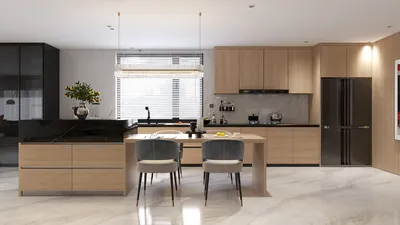


When designing living rooms, I focus on understanding how people genuinely sit, converse, and relax. A well-chosen pair of chairs—harmonious in style and designed for comfort—can serve as a central point for discussion, complement a sofa, or create a peaceful reading corner. The ideal setup typically involves two chairs that respect ergonomic principles, provide good support, and enhance the overall aesthetic without taking up too much space, a concept effortlessly managed using tools like Homestyler for visualization.
Comfort in seating is not left to chance. According to WELL v2 standards, choosing supportive seating helps lessen musculoskeletal strain, and research from Herman Miller ties posture-supportive seating to decreased fatigue during prolonged sitting. Additionally, colors significantly impact mood and behavior; Verywell Mind indicates that warm neutrals promote a sense of coziness, while blues aid in creating a calming atmosphere and improving mental clarity. When I select a pair of chairs for the living room, I consider the height, arm support, and color to best suit activities like chatting, watching TV, reading, or entertaining. For a holistic approach to wellness, both WELL v2 and Herman Miller's research offer valuable insights on ergonomics and materials.
Selecting the Ideal Pair: Visual Harmony and Human-Centric Design
The two chairs should visually connect as a single piece. Target a seat height between 17 to 19 inches for most adults, with arm heights ranging from 24 to 26 inches for convenient standing, and seat depths of 18 to 21 inches to support optimal circulation. Maintaining a gap of 30 to 36 inches between the chairs ensures ease of movement, while a distance of 42 to 54 inches across a coffee table fosters a comfortable conversational setting. Upholstery featuring medium-density foam and lumbar support further enhances comfort during lengthy discussions.
Placement Techniques for Various Room Sizes
In smaller spaces, consider positioning the chair pair slightly away from the walls to create an open feel and improve traffic flow. Angling them about 10 to 15 degrees towards focal points like a fireplace, TV, or artwork prevents a monotonous arrangement. In larger areas, use the chairs to delineate different zones: a reading nook by the window, a secondary conversation area close to the sofa, or symmetrical arrangements beside a console. Tools like Homestyler can assist in experimenting with layouts to visualize spacing and flow before making any purchases.
Aesthetic Unity: Textures, Colors, and Proportions
I strive for visual harmony in texture and shape. If the sofa has a plush appearance, pairing it with chairs featuring structured frames and taut upholstery provides balance; conversely, if the sofa is sleek and modern, opt for chairs with softer, rounded arms or textured boucle fabrics. According to Verywell Mind, earth tones can add warmth to social spaces, while cooler shades can counteract bright lighting. Keep proportions in check: chair backs should be within ±4 inches of the sofa back to create a visually pleasing skyline, and mixing high-back with mid-back accent chairs can introduce a dynamic look without overwhelming the aesthetic.
Comfort Elements: Ergonomics That Make a Difference
Armrests should comfortably support the elbows without being too wide; aiming for a height of 24 to 26 inches is practical. For those who prioritize reading, opt for chairs that offer a slight recline (10 to 15 degrees), ample lumbar support, and a gently rounded front edge to avoid pressure points. The firmness of the cushions is crucial; medium-firm options typically sustain posture better than overly soft seating, which can lead to pelvic tilt and lower back strain over time.
Materials and Finishes: Longevity, Sound Absorption, and Upkeep
Performance fabrics with high durability ratings (often exceeding 30,000 double rubs in contract-grade specifications) withstand everyday use. Textured weaves and boucle can effectively dampen sound, enhancing acoustic comfort in rooms with hard surfaces. While leather can impart a sophisticated appearance and develops a unique patina over time, it may feel cold in winter months; a wool blend offers excellent temperature regulation and resilience. Also, consider whether loose covers are removable for easier cleaning and proper maintenance.
Flow and Conversation: Optimal Spatial Relationships
Effective arrangements honor human interactions. To encourage conversation, keep chairs within a typical voice range of 6 to 8 feet apart, measured across a coffee table or area rug. Ensure at least a 30 to 36 inch pathway for circulation; avoid tightly pinching spaces between chair arms and side tables. Align the chair duo with the rug's centerline to maintain visual order, aiming for a 2:3 relationship between the seating arrangement and rug size to prevent visual imbalance.
Illuminating the Duo: Task and Ambient Lighting
Transform good seating into exceptional arrangements with appropriate lighting. Based on IES guidelines, living areas should incorporate layered lighting, with task areas achieving around 300 to 500 lux for reading. Situate a floor lamp behind the chair pair, or use matching table lamps on either side to ensure even lighting while minimizing screen glare. Opt for warmer color temperatures (between 2700 to 3000K) to promote relaxation, and include dimmers for added versatility during gatherings or downtime.
Layout Cases: Adapting from Apartments to Open Spaces
For apartment living rooms, a compact chair pair with slim arms and visible legs optimizes sightlines. In open-plan settings, select chairs with strong profiles to establish defined zones, positioning them slightly towards main activity areas. For multifunctional rooms, consider adjusting the seating seasonally—positioning them closer to the fireplace during winter and nearer to windows in summer to maximize natural light and scenic views. Utilize an interior layout planner, like Homestyler, to visualize the arrangement concerning side tables, plants, and lamps, ensuring clear and uncluttered spaces.
2024-2025 Design Trends: Current Favorites
Clients are gravitating towards textured neutrals, rounded shapes, and sustainably sourced woods. Performance boucles, mohair blends, and matte black powder-coated frames complement warm oak tones beautifully. Ergonomic features, such as gentle lumbar support, appropriate arm heights, and breathable materials are essential. A matching set creates a cohesive look; alternatively, opting for a set that is coordinated but not identical—similar fabrics in differing shapes—adds a level of sophistication without compromising on unity.
Practical Purchasing Checklist
- Aim for seat heights between 17 to 19 inches; seat depths of 18 to 21 inches; arm heights around 24 to 26 inches.
- Evaluate lumbar support; steer clear of excessive sinking.
- Confirm the durability of fabrics alongside easy-care options.
- Measure circulation paths of 30 to 36 inches before making a purchase.
- Align color schemes with desired moods: warm neutrals for sociability, cool blues for tranquility.
- Strategize lighting: choose either one floor lamp or two table lamps, with a color temperature between 2700 and 3000K, ideally dimmable.
Frequently Asked Questions
Q1: What is the best seat height for most living rooms?
A1: The ideal seat height to aim for is between 17 and 19 inches. This range typically supports comfortable transitions from sitting to standing for most adults and pairs well with standard coffee table heights.
Q2: How much space should two chairs have between them for effective conversation?
A2: Chairs should ideally be 42 to 54 inches apart across a coffee table, or 6 to 8 feet within a seating cluster, so that conversations flow naturally without feeling cramped.
Q3: Which fabrics offer the best combination of comfort and durability?
A3: Look for performance weaves and boucles that boast high abrasion ratings for resilience alongside comfort. Leather presents durability and sophistication while wool blends assist in temperature regulation and maintain their shape well.
Q4: What type of lighting complements a chair duo designed for reading?
A4: It's beneficial to provide 300 to 500 lux at the reading material's page using a floor or table lamp positioned slightly to the rear and side of the chairs. Warmer light temperatures (between 2700 and 3000K) and dimming functions enhance the flexibility of use.
Q5: How can I keep my chair pair visually connected to my sofa?
A5: Strive to match the undertones and ensure back heights are within ±4 inches of the sofa. Balance soft and plush textures with structured designs or vice versa to establish a harmonious visual rhythm.
Q6: Do I need identical chairs, or can I mix different styles?
A6: A coordinated pair is effective; maintain the same fabric or color range while slightly varying shapes—one rounded, the other linear—to introduce visual interest without compromising cohesion.
Q7: Which ergonomic features help prevent discomfort?
A7: Opt for medium-firm cushions, gentle lumbar support, armrests around 24 to 26 inches in height, along with a slight recline (10 to 15 degrees) to promote proper posture during long sitting sessions.
Q8: How can I efficiently plan circulation space around my chair setup?
A8: Maintain paths of 30 to 36 inches between chair arms and surrounding furniture. Position the chairs slightly away from walls to facilitate movement and lessen the chance of visual bulk.
Q9: What color palettes contribute to a relaxing environment?
A9: Warm neutrals cultivate a cozy atmosphere, while blue tones can foster calmness and clarity, as highlighted by color psychology findings from Verywell Mind.
Q10: Any suggestions for designing in open-plan layouts?
A10: Select chairs with robust silhouettes to establish distinct zones, angle them around 10 to 15 degrees towards main activities, and leverage a room design tool like Homestyler to confirm optimal placements before finalizing arrangements.
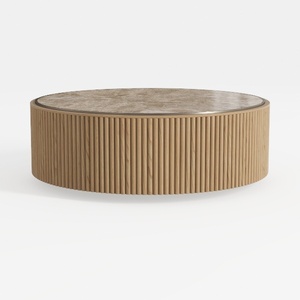
Round Coffee Table with Storage,Fluted Lift Up
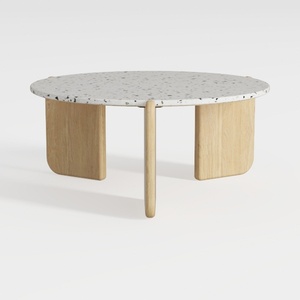
Signature Design by Ashley Isanti Modern Coffee Ta

Fluted 9 Drawers Dresser, 59.1" Wide Modern Chest
Homestyler is your go-to online platform for home design inspiration. With its user-friendly design tool, stunning 3D renderings, a variety of design projects, and helpful DIY video tutorials, you can effortlessly turn your interior dreams into reality, whether you're a novice or an expert!
Design jetzt kostenlos
































