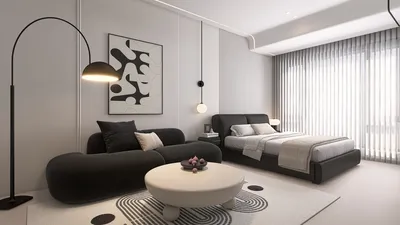


Having designed countless integrated TV and fireplace walls, I've consistently found that certain principles yield successful results: maintaining proportions, managing heat effectively, ensuring organized wiring, and emphasizing clean lines. A thoughtfully constructed feature wall not only serves as a visual anchor in the room but also enhances acoustic comfort and simplifies everyday activities. When executed properly, it complements your furniture arrangement and mitigates glare issues, effectively elevating your space.
When it comes to planning details, precise data is crucial. The Illuminating Engineering Society (IES) recommends approximately 10–20 footcandles (≈100–200 lux) for ambient lighting in living rooms, ensuring comfortable contrast ratios to reduce eye strain when near screens. The WELL v2 framework underscores the importance of glare control and visual comfort for residential well-being, while studies from Steelcase suggest that balanced, indirect lighting can improve perceived comfort and decrease visual fatigue. Use this insight to strategically position dimmable, indirect accent lights around the feature wall rather than aiming them directly at the TV, incorporating tools like Homestyler to visualize your layout.
Planning the Wall: Zones, Scale, and Clearances
Start by identifying the room's focal axis—where seating naturally aligns—and divide the wall into three distinct zones: the area for the TV, the center for the fireplace, and storage or trim elements. It's important to maintain a vertical rhythm; the TV should be placed at eye level when seated (usually between 42–48 inches from the floor to the center of the screen), while the fireplace opening should be situated between 12–18 inches above the floor for optimal flame visibility. Ensure a minimum distance between the TV and fireplace to prevent heat transfer; typically, 8–12 inches of solid material suffices for electric units, while gas units require 18–24 inches according to manufacturer guidelines, alongside the necessary insulation.
For asymmetrical or compact living rooms, experiment with various furniture layouts before you begin construction. Utilizing a straightforward interior layout planner, such as Homestyler, can assist in testing sightlines, speaker positions, and traffic paths, helping you make informed decisions ahead of framing.
Heat and Safety: Essentials to Consider
Electric fireplaces are particularly favorable for DIY projects, boasting cool-touch glass and predictable heat release. Gas fireplaces, on the other hand, necessitate specific noncombustible finishes near openings and adhere to precise mantle clearances; always consult the manufacturer’s specifications for minimum distances and required R-values for materials nearby. Additionally, keep low-voltage wiring (like HDMI, speaker, CAT6) contained in dedicated conduits separate from power sources to avoid heat buildup and interference. If you’re recessing a TV, construct a ventilated niche with openings at the top and bottom or a slim grille to promote airflow and maintain safe operating temperatures for the equipment.
Framing for Proportions that Enhance Your TV
Typically, it’s recommended to frame the TV with a margin of 6–10 inches on each side within the niche to avoid a cramped appearance. For a 65-inch TV, the functional niche width generally falls around 60–62 inches internally; do verify the specific dimensions of your model. Balance is key: either match the width of the fireplace opening to that of the TV niche or choose a slightly narrower firebox to allow the TV to stand out while ensuring the fire does not seem disproportionately small. Utilizing horizontal slatted or fluted panels can create an illusion of increased width and effectively conceal minor asymmetries.
Material Choices: The Balance of Safety and Warmth
Incorporate noncombustible materials around the fireplace—including porcelain slabs, cement panels, or stone—while choosing warmer, tactile surfaces farther from the opening, such as oak veneer, walnut, or limewash paint. Should you include integrated shelving, avoid overcrowding the TV area with visual weight; opting for solid doors or ribbed panels can provide a serene background. Be mindful of color psychology: neutral tones (like taupe or warm gray) minimize contrast against the screen, reducing halo glare. Guidance from Verywell Mind indicates that softer neutrals promote calmness, while more saturated reds may ignite stimulation—ideal for accent pieces, yet not advisable for the TV wall itself.
Lighting: Layers, Dimmability, and Glare Reduction
Avoid placing direct downlights on the screen's axis. Layer lighting effectively by utilizing ambient cove or wall-wash strips to achieve around 100–200 lux for overall illumination, along with a subtle task layer near the seating for activities such as reading. Consider bias lighting behind the TV (like a slim LED strip) to help even out contrast and alleviate eye strain. Using warm LEDs with a color temperature of 2700–3000K can complement the hues of the flame, while higher CCTs may create a harsh appearance. Effective control is vital; dimmer switches and scene presets enable you to transition seamlessly between movie mode and entertaining mode.
Acoustic Factors to Consider
A flat, hard surface can generate sound reflections. Introduce softer elements to absorb sound: options could include a felt-wrapped backer in the niche, fabric panels within adjoining shelving, or a wool rug placed directly opposite the wall to balance sound reflections. If including a soundbar, ensure there is an unobstructed path below the TV, and for stereo speakers, position them within 22–30 degrees from the viewing center for optimal sound imaging.
Wiring and Accessibility: Designing for Future Updates
Implement dual conduits: one dedicated to power (with an outlet positioned behind the TV) and another for low-voltage cables, complete with pull strings for subsequent modifications. Include an accessible junction box—often situated within a side cabinet—with a removable panel for managing cables, streaming devices, and hubs. Ensure all cables are labeled on both ends and leave an extra 10–15% slack. If you opt to wall-mount the TV, use an in-wall rated junction box to keep plugs flush against the wall’s surface.
Choosing Between Electric and Gas Fireplaces
Electric fireplaces typically offer straightforward installation, streamlined profiles, and consistent clearances, making them suitable for apartments and quick projects. Conversely, gas fireplaces provide real flames and greater heat output but usually require proper venting, combustion air, and inspection approval. If you reside in a multi-family building, be certain to verify HOA regulations and local codes prior to opting for gas.
Framing and Finalizing the Build
1) Identify stud locations and mark guidelines for the TV and fireplace. 2) Frame the chase with kiln-dried lumber, reinforcing with double studs around the openings and niches for stability. 3) Install fire-rated boarding around the fireplace according to manufacturer specifications. 4) Integrate conduits and junctions prior to closing off the wall. 5) Finish with cement board adjacent to the fireplace and standard drywall in other areas. 6) Choose your preferred cladding—options like stone, porcelain, or custom millwork. 7) Set up lighting channels and verify dimming functionality. 8) Mount the TV only after the wall is fully cured and free of dust.
Considering Ergonomics and View Distance
Align the viewing distance with the size of the TV: for 4K screens, a good guideline is approximately 1.2–1.6 times the screen diagonal. For a 65-inch TV, that translates to around 6.5–8.5 feet. Ensure seating height is set so that your eye line meets the center third of the screen, while keeping primary walkways clear of obstructions with a minimum clearance of 36 inches from the corners of the feature wall.
Styling the Final Assembly
Maintain a minimalist approach to decor around the TV to prevent visual clutter. Including a long mantle shelf, paired art pieces on either side, and concealed storage for remotes fosters a sense of order. Plants with soft textures—olive or eucalyptus—provide a pleasing contrast to hard surfaces without obstructing ventilation or IR sensors.
Electric fireplace units can vary significantly in price; anticipate a mid-range linear unit plus a dedicated circuit to remain within a reasonable DIY budget. Cladding prices differ as well; large-format porcelain can be a cost-effective option compared to natural stone, while painted millwork remains the most budget-friendly and easiest to refresh in the future.
Frequently Asked Questions
Q1: At what height should I mount the TV above a fireplace?
A: Aim for the TV center to be around 42–48 inches above the floor for standard sofa seating. If the fireplace requires a higher position, consider adding a tilt mount along with bias lighting to ease neck strain.
Q2: Is it permissible to place a TV directly above a gas fireplace?
A: This can be acceptable only if the manufacturer’s clearance regulations and heat deflection requirements are met. Utilize a deep mantel or heat shelf to redirect warm air, and confirm the appliance’s temperature ratings at mantel height.
Q3: What lighting options will minimize glare on the screen?
A: Opt for indirect wall washing and bias lighting behind the TV. Ensure recessed downlights are positioned away from the viewing angle and aim for approximately 100–200 lux ambient lighting per IES living room standards.
Q4: Which materials are safest to use near a fireplace?
A: Use noncombustible materials like porcelain slabs, stone, and cement boards around openings. Position wooden and fabric finishes farther away, adhering to the clearance recommendations of the unit.
Q5: What is the appropriate distance for sitting from a 65-inch TV?
A: A comfortable viewing distance is around 6.5–8.5 feet, ensuring clarity without causing eye strain.
Q6: Is a dedicated circuit necessary for an electric fireplace?
A: Generally, yes. Many electric units consume significant power; therefore, plan for a dedicated 120V circuit as per the manufacturer’s power requirements.
Q7: How can I conceal cables effectively?
A: Create separate conduits for power and low-voltage wiring with access points in side cabinets. Include pull strings for ease and label cables for future reference.
Q8: Will using acoustic panels make a difference?
A: Incorporating a few soft surfaces such as felt panels, fabric doors, or a thick rug opposite the wall can diminish reflections and enhance dialogue clarity.
Q9: Should I align the TV and fireplace centrally or offset them?
A: Aligning them creates a sense of calm symmetry. If alignment is disrupted due to structural elements, consider using fluted panels or shelving to achieve a visual balance.
Q10: Can this feature be constructed in a rental property?
A: Opt for freestanding millwork with an electric fireplace insert, steering clear of permanent gas or hardwired alterations. Ensure sturdy anchoring to wall studs for later easy removal.
Q11: What color temperature is optimal?
A: A warm color temperature range of 2700–3000K LEDs is ideal, harmonizing with flame tones and reducing harsh contrasts; remember to keep everything dimmable.
Q12: How can I effectively plan the layout before beginning construction?
A: Utilize an interior layout planner such as Homestyler to simulate seating arrangements, sightlines, and speaker placements to align the feature wall with real-world usage conditions.
Homestyler is your go-to online home design platform! With its user-friendly design tool, stunning 3D renderings, and a wealth of DIY video tutorials and design projects, you can effortlessly create and visualize your dream spaces. Transform your home design journey today!
Design Now for FREE
































