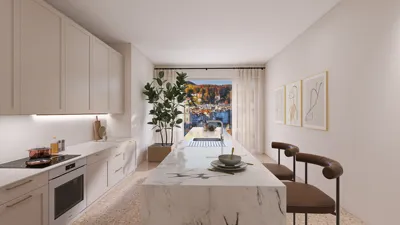


Throughout my experience installing numerous indoor swings, or jhulas, I've observed their profound impact as a central emotional feature in living rooms. When strategically positioned, a swing not only stimulates dialogue but also introduces a unique visual rhythm and a soothing motion that traditional seating often lacks. Recent studies on workplace and home environments emphasize that varying seating options enhances user satisfaction; Steelcase indicates that individuals who have the freedom to choose their seating arrangement feel more engaged and experience less fatigue. When translated to residential spaces, a swing serves as an alternative seating option that fosters gentle movement and relaxation.
Design choices should prioritize comfort and wellbeing. The WELL Building Standard underscores how biophilic design and comfort-focused materials can alleviate stress and enhance tranquility; incorporating natural elements and soft movement is integral to these principles (refer to WELL v2 for insights on comfort and mental wellness). Additionally, the selection of colors is vital—research by Verywell Mind suggests that warm tones can invigorate while cool shades tend to calm; this can influence the choice of fabric and wood finishes to align with the intended atmosphere of the room.
Key Design Principles for an Indoor Jhula
Before diving into aesthetics, I always assess load paths and ensure sufficient clearances. A typical two-person wooden swing may weigh between 18 to 30 kg, but the dynamic weight with occupants can easily surpass 200 to 250 kg. I make it a point to specify hardware that exceeds this limit and confirm the direction and spacing of supporting joists. If you're rethinking your layout or experimenting with configurations without the hassle of moving heavy furniture, consider using an interior layout planner—such as an efficient room layout tool like Homestyler—to simulate swing arcs, sightlines, and social distances.
Selecting the Right Materials: Wood, Cane, Metal, and Upholstery
Indian swings are celebrated for their diverse material palettes. Solid teak or sheesham frames provide a classic and robust feel with exceptional durability. Cane or wicker seating allows for breathability in warmer climates, while upholstered cushions enhance comfort for extended lounging. If noise is a concern in echo-prone living rooms, opting for lightly upholstered seats and side bolsters can help absorb unwanted sounds and soften conversation levels. For a more artistic appearance, consider using powder-coated steel frames with slender designs; just ensure they are paired with warm textiles to avoid a stark, cold atmosphere.
Chain versus Rope: The Suspension Options
Classic brass or antique chains contribute a touch of heritage charm and elegance. In contrast, braided cotton or jute ropes create a modern and tactile warmth. From an ergonomic standpoint, using chain-and-swivel connectors minimizes torsion and allows for smooth movement, whereas rope requires meticulous knotting and protective hardware to prevent wear and noise. In humid conditions, using sealed brass or stainless hardware offers better corrosion resistance than standard steel.
Sizing and Proportion Considerations
For optimal comfort, I recommend a seat width of 48 to 60 inches for two adults, with a depth of 20 to 22 inches, and a height of 16 to 18 inches above the finished floor for ease of sitting and standing. The drop for chains or ropes typically measures 20 to 26 inches from the anchor to the top of the arm, contingent on ceiling height. Allow at least 30 inches of space in front and behind the swing's stationary position; for playful use, this should extend to 36 to 42 inches. Observing these proportions ensures visual harmony and unobstructed pathways.
Positioning and Flow Dynamics
The swing should face the room's primary focal point, whether it be a fireplace, television, gallery wall, or scenic window view, aligning its long axis with the primary conversation area. In smaller apartments, position the swing by a window to take advantage of natural light and breezes. For versatile living spaces, consider a centrally located jhula that can pivot between the media wall and a balcony view. To explore different layout options, using a tool like Homestyler for a quick digital mockup can help assess distances to coffee tables (16 to 18 inches) and side tables (roughly 8 to 12 inches from the arm).
Illuminating the Swing Area
Layer lighting to create ambiance while allowing for reading. Aim for 150 to 300 lux at the seating level for casual evenings; incorporate a dedicated reading lamp to achieve 300 to 500 lux when necessary, in accordance with IES guidelines for residential tasks. Warm white light (2700 to 3000K) complements wood and brass finishes, while 3000 to 3500K works well with modern metal frames. Minimize glare by positioning hanging fixtures off the swing’s centerline to avoid disrupting motion. Wall-mounted lights can also beautifully highlight cane textures.
Understanding Color Psychology and Textiles
Rich colors like deep indigo, terracotta, and mustard reflect traditional Indian craftsmanship and coordinate nicely with oiled wood. For soothing environments, opt for soft sage, sand, and light charcoal hues. If the living area doubles as a workspace, it’s wise to limit the use of vibrant reds to accent pieces and focus on mid-tone blues or greens to promote concentration—a principle supported by color psychology research on emotional responses. Additionally, incorporating removable and washable cushion covers made from high-durability fabrics (Martindale 30,000+) ensures longevity for everyday use.
Acoustic Considerations and Sound Management
An indoor swing can amplify footstep sounds and chain clinking in overly reflective rooms. Installing a rug beneath the swing's arc, utilizing full-length drapes near window areas, and adding elements like bookshelves or textile art can help mitigate echoing sounds. Chain sleeves or leather wraps can also diminish metallic sound without obscuring the hardware’s aesthetic.
Safety, Stable Anchoring, and Compliance
I always identify ceiling joists using a stud finder and ensure they are adequate for the swing's load. Fixed eye plates or specialty lag shields rated for dynamic loads should be employed; avoid securing directly into drywall. Should the joists not align perfectly with your desired layout, you can install a stylish hardwood beam that spans between two joists and mount the swing from that. Maintain a minimum of 12 inches from walls and 6 inches from hanging light fixtures to ensure safety. Swivel connectors help reduce torsion, thus prolonging the life of the hardware.
Styling Options: From Traditional to Modern
Consider a hand-carved backrest with brass chains, paired with rich velvet cushions in jewel tones, atop a patterned kilim rug. It’s essential to balance the visual complexity with simple plaster walls to avoid overcrowding the space.
Alternatively, a whitewashed cane seat, cotton rope, and soft linen cushions in sea-glass shades create an airy aesthetic. Ensure that the color scheme remains light and restrict the use of metals to brushed nickel finishes.
A matte black steel frame, paired with neutral wool cushions and a low-profile slab coffee table, introduces modern elegance. Accompany this with a single decorative plant to soften the geometric lines.
For a rustic vibe, opt for a solid teak plank seat with exposed joinery, complemented with a leather sling back and hand-thrown ceramics displayed on a floating shelf. Allow the innate beauty of the materials to shine.
Solutions for Small Spaces and Corners
Jhulas can be positioned near walls with short back swings to fit snugly in smaller rooms. A compact 42 to 48 inch bench paired with a small round coffee table measuring 30 to 34 inches can help prevent collisions during gentle swinging motions. In studio apartments, a suspended single-seat swing chair can create an inviting reading nook without monopolizing the space.
Creating Indoor-Outdoor Harmony
Replicate an outdoor balcony swing indoors to establish cohesive rhythm across spaces. Utilize two similar materials—such as teak and linen—on both sides, modifying the weave or pattern scale for added depth. Choose weather-resistant fabrics for outdoor use while opting for richer textures inside to define function.
Ensuring Longevity Through Maintenance
It's important to clean chains and hardware monthly. A small amount of clear lubricant at swivel joints can help prevent annoying squeaking noises. For unfinished wooden seats, re-oil them every six months; otherwise, a non-silicone furniture polish will suffice. Regularly check and tighten all fasteners, particularly after humidity-filled monsoon seasons that can weaken joints. To ensure even wear, rotate cushion covers frequently.
Understanding Budget and Value
Entry-level rope-hung benches can be a budget-friendly option, but it’s advisable to allocate more funds to quality hardware and proper beam installation. If your swing is meant to be the focal point of the room, consider reducing additional decor to emphasize negative space, thereby enhancing its silhouette and maintaining clear circulation pathways.
Frequently Asked Questions
Q1: What floor clearance is required for a living room swing?
A1: Aim for a clearance of 30 inches in front and behind the swing's resting position, expanding to 36 to 42 inches if children will use it frequently. Ensure at least 12 inches from walls and 6 inches from adjacent lights.
Q2: How can I safely install an indoor jhula?
A2: Secure it to structural joists using rated eye bolts or plates, include swivel connectors, and avoid relying solely on drywall for support. If the joists aren't aligned, consider installing a decorative beam across two joists to mount the swing.
Q3: What materials are best for humid environments?
A3: Sealed teak or sheesham frames, stainless or brass hardware, and performance fabrics that resist mildew are ideal. Avoid untreated iron and low-density softwoods.
Q4: Which lighting works best around a swing?
A4: Install ambient lighting of 150 to 300 lux in a warm 2700 to 3000K spectrum. Add a focused reading light to achieve 300 to 500 lux as needed, while minimizing glare in the swing’s path.
Q5: How can I mitigate chain noise?
A5: Applying chain sleeves or leather wraps, incorporating a swivel to limit torsion, and using rugs plus soft furnishings will help absorb sound and diminish echoes.
Q6: What is the ideal seat size for accommodating two adults comfortably?
A6: A width of 48 to 60 inches, a depth of 20 to 22 inches, and a height of 16 to 18 inches above the floor is suitable for most adults, ensuring easy lounging and standing.
Q7: Can a swing serve as a sofa substitute?
A7: While a swing can complement seating options, it rarely substitutes the stability and capacity of a sofa. Consider using a swing alongside a compact couch or two lounge chairs for a flexible entertaining space.
Q8: Are rope-hung swings as durable as chain versions?
A8: High-quality marine-grade rope offers durability; however, chains generally withstand abrasion and continuous load better in an indoor setting. If you prefer the aesthetics of rope, implement protective sleeves at hardware joints and conduct regular inspections.
Q9: How do color selections influence the atmosphere of a room?
A9: Warm shades like mustard or terracotta invigorate social spaces; cooler shades like sage or blue-green bring calm to reading areas. Choose textiles that align with the room's intended ambiance.
Q10: Where should I place a swing in a compact apartment?
A10: Position it near a window or in a corner, oriented towards the main seating area. A slender bench accompanied by a rounded coffee table can mitigate impacts during gentle swinging.
Q11: How frequently should I service the swing hardware?
A11: Inspect and tighten fasteners and swivels seasonally; apply light lubrication if any squeaks occur, and re-tighten after periods of high humidity or use.
Q12: Is it possible to visualize various layouts before installation?
A12: Certainly. Utilize a digital interior planner like Homestyler to evaluate swing arcs, clearances, and conversation distances before finalizing your installation.


Homestyler is your go-to online home design platform! With its easy-to-use design tool, stunning 3D renderings, a plethora of design projects, and helpful DIY video tutorials, transforming your home has never been easier. Let your creativity shine and create the space of your dreams!
Concevez maintenant gratuitement
































