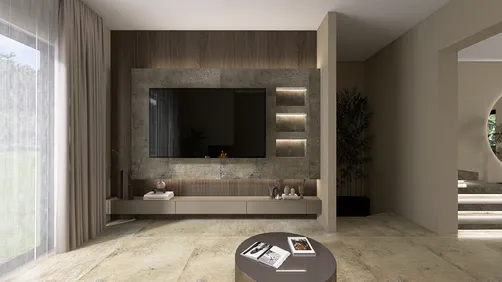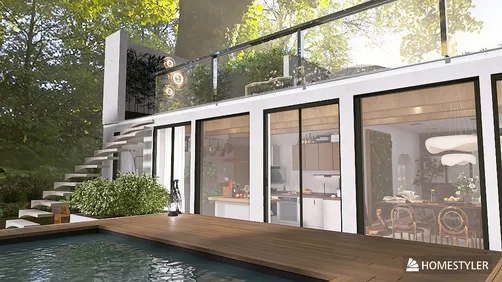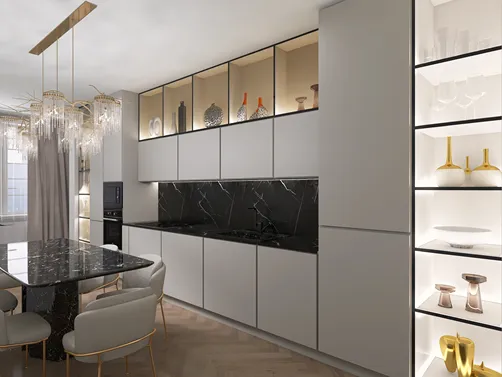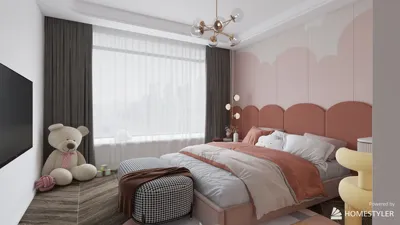



The entrance gate of your home sets a lasting impression before a word is uttered. I seek well-defined geometry, a pleasant tactile handle, and a lighting effect that encourages guests to pause at the threshold. When executed properly, the gate transitions into a blend of architecture and choreography—steering the way guests are welcomed and how you return home each day, which can be effectively visualized using tools like Homestyler.
Two key influences shape my perspective. Firstly, the quality of lighting at the entrance is crucial: the Illuminating Engineering Society suggests approximately 50–100 lux for outdoor paths and 100–200 lux at front doors to facilitate safe navigation without glare. Secondly, a thoughtfully organized entry sequence can mitigate mental strain and enhance comfort; studies highlighted by the Interaction Design Foundation indicate that clear affordances and predictable flows reduce decision-making difficulty—a principle I apply through intuitive handles, logical swing directions, and visual signals indicating 'enter here.' You can find standards at ies.org/standards and explore human factors at interaction-design.org.
Designing Scale and Proportions for the Gate
I start by scaling the gate to match the rhythm of the façade. A single-leaf gate typically appears most appealing with a clear opening of 900–1100 mm for residential areas; anything broader leads me to consider a double-leaf or pivot configuration to maintain visual balance. Vertical elements should reflect the spacing of window mullions to avoid an awkward, added-on appearance. If the gate encompasses a narrow corridor, I tend to use slim stiles with a translucent infill (like perforated metal or spaced battens) to keep sightlines intact while ensuring privacy.
Creating Grounded Material Combinations
Texture at arm's reach is where luxury manifests. I prefer three robust combinations: (1) oiled white oak paired with matte black steel; (2) thermally modified ash featuring bronze-hued hardware; (3) powder-coated aluminum combined with composite slats to ensure performance without warping. In coastal regions or areas with high humidity, marine-grade 316 stainless fasteners are essential. Additionally, incorporating FSC-certified timber and low-VOC finishes helps control off-gassing in a space where airflow is paramount.
Illumination: Enhancing Safety, Warmth, and Atmosphere
Glare at a gate is unacceptable. I opt for 2700–3000K warm-white light set at 100–200 lux for the threshold, reducing to 50–80 lux along the approach to maintain contrast and visibility. Utilizing shielded sconces or embedded linear LEDs behind slats produces a gentle glow. A motion-detecting accent light at 10–20% standby promotes energy conservation while ensuring instant visibility. When adding glass, a frit or micro-reeded insert beautifully diffuses any hotspots.
The Promise of Tactile Hardware
Everyday interactions begin with the grip. Lever handles around 34–38 mm in diameter are comfortable for most hands and lessen wrist strain. A handle pull of 900–1000 mm on pivot gates allows for a smooth, centered motion. I prefer softer closers to prevent slamming sounds echoing into the hall and specify neoprene stops to reduce noise impact. For homes with multiple users, a latch featuring a visual status indicator (locked/unlocked) minimizes difficulties during nighttime use.
Discreet Security Measures
Security should be unobtrusive. I embed magnetic strikes within the jamb and utilize through-bolted hardware to ensure structural strength. Where visibility is a concern, I incorporate a mid-rail peephole or a narrow glazed slot at eye level. For urban environments, a layered approach—an outer gate with semi-opaque screening and an inner door with an acoustic seal—strikes a balance between perceived safety and a welcoming appearance.
Understanding Color Psychology at the Entrance
Colors influence emotions even before the handle is touched. Rich greens and muted blues convey stability and tranquility, while warm clay and terracotta hues extend an invitation. For a sharp modern edge, charcoal paired with a low-sheen finish harmonizes beautifully with warm wooden elements. Maintain subdued colors on the street-facing side while enhancing the interior hues to create a rewarding sense of arrival.
Managing Sound in Narrow Entrances
Narrow entrances can amplify footstep noises and gate closures. I equip the gate frame with a compressible seal and place a wool runner inside the hall to absorb initial sound reflections. Utilizing slatted timber with a 10–15 mm air gap in the gate leaf functions as a micro-diffuser, softening sound without appearing overly technical.
Optimizing Layout and Flow: The Initial Meter Matters
The first meter inside the gate should resolve two significant actions: storing items and moving forward. I create a landing zone for keys and parcels that sits opposite the swing arc while ensuring a 900 mm clear path ahead. If you are testing hinge placements or pivot alignments, utilize a room layout tool, such as Homestyler, to visualize turning radii, stroller space, and parcel drop-off areas prior to finalizing your decisions.
Enhancing Privacy with Permeable Screens
Rather than opting for a solid barrier, I frequently integrate a secondary screening inside the gate. A metal mesh or timber lattice with 40–60% openness softens direct sightlines while still allowing light to flow. It also establishes a micro-foyer where delivery personnel can pause without having full visibility into the main hall.
Choosing Between Pivots, Sliders, or Hinges Based on Use
Pivot gates offer a sculptural feel and gracefully manage wider panels but necessitate a strong threshold design and proper drainage. Sliding gates are ideal in areas where swing space is restricted; I recommend bottom-rolling systems with covered tracks to keep out debris. Traditional hinged gates are low-maintenance solutions for most homes and provide better acoustics and weather sealing.
Small Entries with a Significant Impact
In compact hallways, I enhance verticality. A gate taller than standard (up to 2400 mm if the structure allows) elongates the line of sight. Continuous, thin lighting on the latch side provides a gentle guiding light. Mirrors within the hall, positioned off the direct line of sight, create an illusion of depth without revealing the interior to the outside world.
Prioritizing Sustainability and Durability
Select materials that will age beautifully. Thermally modified wood resists warping, while powder coating suited for coastal areas prevents premature chalking. Favoring repairable hardware over disposable options is wise: choose components with replaceable springs and easily adjustable points. Sustainable design here transcends aesthetics; it ensures fewer replacements and extends product life cycles.
Weatherproofing for Seasonal and Daily Use
I consider elements like umbrellas, prams, and grocery trips. A rooflet or deep jamb returns of 200–300 mm keeps the handle area dry. An inset floor-mounted stop prevents bags from getting trapped between the leaf and the wall. If your region experiences temperature fluctuations, leave expansion gaps and use adjustable strikes to maintain smooth latching throughout the year.
Quick Style Inspirations
Flush steel frame, vertical composite slats, concealed closer, 3000K grazing light, matte black handle.
Thermally modified ash battens, bronze fittings, ribbed glass insert, terracotta accents inside the hall.
Powder-coated aluminum lattice, integrated planter edge, 2700K low-glare sconces, natural stone threshold.
Implementation Checklist
- Verify the clear opening dimensions (typically 900–1100 mm) and the swing direction relative to the parcel drop-off area.
- Aim for 100–200 lux at the entry using 2700–3000K, shielded lighting sources.
- Specify seals, soft closers, and neoprene stops to ensure acoustic comfort.
- Select corrosion-resistant fixtures (use 316 stainless in coastal locations).
- Experiment with layout and turning dynamics using an interior layout planner like Homestyler prior to fabrication.
- Pre-finish timber elements and set a maintenance schedule (annual oiling or as required).
FAQ
Q1. What is the best brightness level for a hall gate during nighttime?
A1. Strive for 100–200 lux at the entry with warm 2700–3000K lighting and shielded designs to mitigate glare, in alignment with IES recommendations for residential entrances.
Q2. How do I decide between pivot, slider, or hinged gates?
A2. If space allows and you prefer a sculptural design, opt for a pivot gate with robust drainage features. If room is tight, a bottom-rolling slider is optimal. For low maintenance and superior sealing, a hinged design is the most reliable choice.
Q3. How can I maintain privacy without making the gate seem heavy?
A3. Incorporate permeable screens—using perforated metal, wooden slats, or micro-reeded glass—with 40–60% openness to obscure views while maintaining airflow and light.
Q4. What is the most comfortable height and size for handles?
A4. Install handles at approximately 1000–1050 mm from the ground. A diameter of 34–38 mm is ideal for comfortable gripping and reducing wrist strain.
Q5. Which materials are best suited for outdoor exposure?
A5. Powder-coated aluminum, thermally modified wood, and stainless or bronze hardware demonstrate resilience against warping and corrosion. Always opt for 316 stainless fasteners in marine climates.
Q6. Can proper lighting enhance the perception of security?
A6. Absolutely. Consistent lighting at 100–200 lux at the entrance with motion-triggered enhancements improves visibility and comfort without overwhelming brightness.
Q7. How can I minimize noise when the gate closes?
A7. Pair soft closers with perimeter compressible seals and neoprene or rubber stops. Incorporating slatted designs with minimal air gaps can also help to reduce sound levels.
Q8. What is an effective method to test my entry layout?
A8. Utilize a room design visualization tool to simulate swing arcs, stroller access, and parcel placement before production begins.
Q9. Which colors evoke a welcoming atmosphere at the threshold?
A9. Muted greens, warm-toned clays, and deep blues inspire tranquility and hospitality. Maintain subdued colors on the exterior while enriching the interior shades to enhance the sense of arrival.
Q10. How can I prevent glare during nighttime?
A10. Opt for shielded fixtures, matte finishes positioned at eye level, and diffusing glass materials. Direct lights to illuminate surfaces rather than shining outward.
Q11. What should be the minimum clearance within the hall?
A11. Maintain at least 900 mm of clear space to avoid congestion and accommodate bags, deliveries, and quick turns.
Q12. What is the maintenance protocol for wood gates?
A12. Pre-finish all sides, apply oil annually (or as needed), and ensure that the top and bottom edges are properly sealed. Conduct seasonal inspections on hardware for smooth operations.
Built on technology originally developed at Autodesk, Homestyler empowers anyone to design beautiful, realistic spaces in minutes. Join over 20+ million registered users (platform data, 2026) who have already discovered a smarter way to plan, visualize, and bring their dream homes to life — all from the comfort of a browser.
Discover Homestyler, your ultimate online home design platform! With its user-friendly design tool, stunning 3D renderings, and a wealth of DIY video tutorials, transforming your space into a masterpiece has never been easier. Unleash your creativity and bring your design visions to life!
Design Now for FREE












![[For my dearest Sabrinik 🧡]](https://hs-designs.homestyler.com/production/design/images/3f463715-5ed6-4c49-9346-16d464510aa6/1714085722568.jpg?x-oss-process=image/resize,w_502,m_mfit/format,webp)